
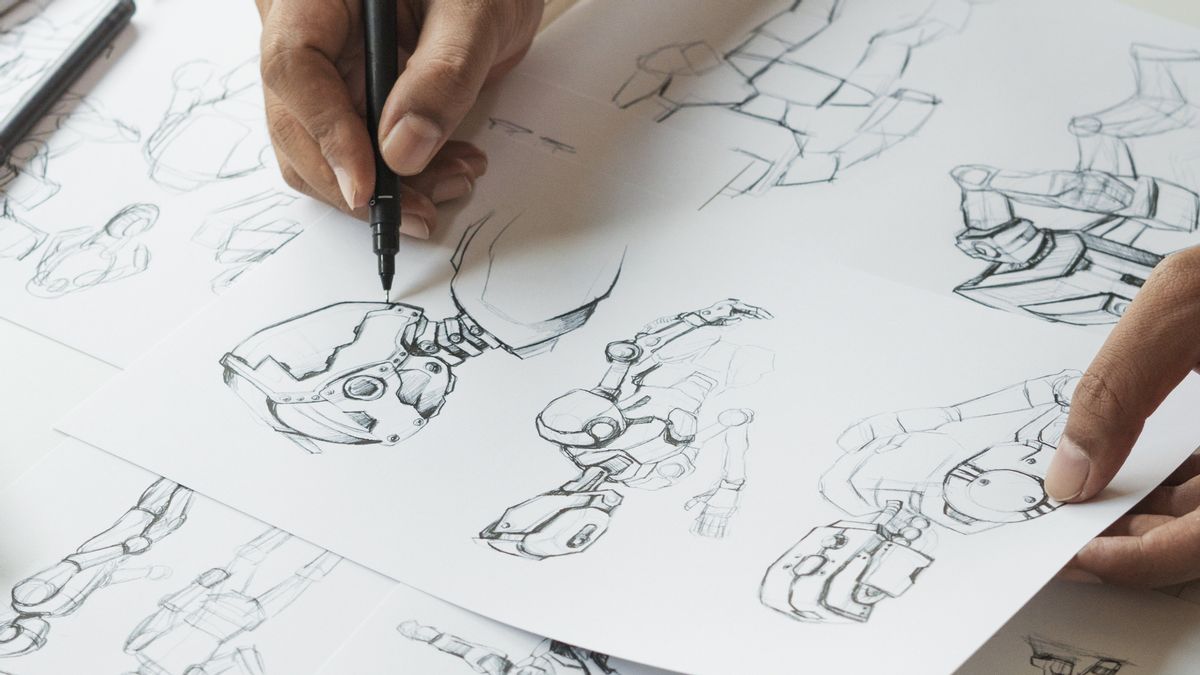


YOGYAKARTA - Drawing a model is an art form that requires precision, practice, and a deep understanding of proportions and the human body's anatomy. For beginners, starting the process of drawing a model can feel difficult, but by understanding the right first steps, you can start creating realistic and interesting works. Mastering the first stages of drawing a model is essential to building a strong foundation in this art.
Understanding the first step in drawing a model provides clear guidance for beginners to overcome the initial challenges. This first stage will help you understand the process that needs to be done to draw accurately and effectively, so that the resulting drawing results will be closer to reality.
Why is Drawing a Model Important?
Drawing a model is an important part of visual art, especially for artists who want to hone their ability to draw human figures. The model used can be a live person, a statue, or a reference image. Drawing a model is not just about producing shapes, but also developing an understanding of the human body shape, pose, and proportions.
Before you start drawing a model, careful preparation is very important. The first step in drawing a model is to prepare the tools and environment that support it. Some of the basic tools needed to draw a model include:
In addition to tools, it is also important to ensure that your drawing place is comfortable and free from distractions. Adequate lighting is very important to observe the model clearly, whether it is natural light or artificial light.
Observing and Studying Models
After the tools and environment are ready, the first step in drawing the model is to observe the model carefully. If you are drawing from real life, focus on the proportions of the body and the model's pose. As a beginner, you may find it difficult to understand the human body's anatomy, but with good observation, you can start to understand the human body's shape more clearly.
Try to look at the model in a simple form. Use your imagination to think of the body as basic shapes, such as balls, boxes, and cylinders. For example, the head can be considered a ball, the body a cylinder, and the arms and legs a tube shape. This approach makes it easier for you to deal with the difficulties of drawing a complex human body.
Rough Sketch: Creating a Drawing Frame
After observing the model, the next step is to make a rough sketch or drawing frame. At this stage, you don't need to draw complicated details. Focus on the placement and proportions of the model's body. The first step in drawing a model is to draw guide lines that indicate the position of the model's body, proportions, and direction of movement.
Use straight lines and basic shapes to determine the proportions of the body. Make sure the size of each body part is balanced and appropriate. For example, the length of the legs should be greater than the length of the arms, and the size of the head should be proportional to the body. In this rough sketch, don't be afraid to make changes. You can erase the lines that don't fit and adjust the position of the model.
Understanding Body Proportions and Anatomy
When drawing a model, it is important to understand the proportions of the human body. The first step in drawing a model also includes studying the proportions of the standard body. Usually, the adult human body is divided into eight parts that are approximately the same length. For example, the length of the body from head to toe can be divided into eight parts, and each part has a relatively fixed proportion.
Learning about the human body's anatomy is also very helpful in drawing models. Understanding the position of muscles, bones, and how the body moves is very important to create realistic images. By understanding the structure of the body, you can draw more accurately and naturally.
English:
Add Details and Shadows
After you have a strong drawing framework, the next step is to add details, textures, and shadows. At this stage, you can start drawing muscles, folds of clothes, and other elements that give depth to the image. The first step in drawing a model is indeed more focused on the basic structure, but this stage allows you to go further by drawing finer details.
Shadows are very important in drawing a model, because they give dimension to the drawing and create a three-dimensional effect. Pay attention to how the light falls on the model, and use shadows to emphasize the shape of the body and other elements. Don't forget to use an eraser to add contrast and highlights to the parts exposed to the light.
Practice and Patience
Drawing a model is a skill that requires a lot of practice. The first step in drawing a model is just the beginning of a long journey that requires patience and perseverance. Don't be discouraged if your first drawing is not perfect. Keep practicing, and over time, you will master the technique of drawing a model better.
The first step in drawing a model is a thorough preparation and careful observation of the model. By understanding the proportions of the body and drawing a rough skeleton first, you can build a better picture. Drawing a model does require consistent practice, but with perseverance and good understanding, you will be able to produce beautiful and realistic works of art. So, start with this first step, and enjoy the process! Did you know, What is the Meaning and Function of Sketches in the Art World
So after knowing the first step in drawing a model, check out other interesting news at VOI.ID, it's time to revolutionize reporting!
The English, Chinese, Japanese, Arabic, and French versions are automatically generated by the AI. So there may still be inaccuracies in translating, please always see Indonesian as our main language. (system supported by DigitalSiber.id)
Most Popular Tags
#Prabowo Subianto #donald trump #2026 World Cup #venezuela #konflik timur tengahPopular


