


YOGYAKARTA - The right stage of food processing is an important step to produce healthy, hygienic, and quality foods. Each process, from planning to evaluation, has a related goal in order to maintain food quality and safety.
By following the correct stages of food processing, the final results of the food are not only delicious but also safe for consumption. The following stages will be discussed in the right food processing, namely planning, implementation, recitation, and evaluation. These four stages cannot be separated from each other.
Proper food processing is not only focused on taste and appearance, but also on standardized processes so that the nutritional value is maintained. These stages are important to apply both on household scale and in the food industry.
In addition, the implementation of proper food processing also helps prevent contamination, waste of materials, and improve production efficiency. The following is an explanation of the 4 appropriate stages of food processing.
The first stage in food processing is planning, which aims to determine the types of food to be processed, the materials needed, and the tools used. Good planning helps ensure that all materials are available in sufficient and quality quantities.
In addition, planning also includes determining processing methods that are in accordance with the type of material so that the results are optimal. At this stage, it is important to pay attention to aspects of nutrition, taste, and appearance of the food to be made.
The choice of fresh and quality ingredients is the main key so that food remains healthy and nutritious. If done at the industrial level, planning also includes cost analysis, production time, and market potential of the products to be produced.
Careful planning helps prevent errors during the processing process. With proper planning, time efficiency and use of materials can be better maintained. In addition, planning also serves as a guide so that the processing process runs systematically and avoids the risk of material damage.
The second stage is the implementation, namely the food processing process according to the previously made plan. This stage includes the preparation of materials, washing, cutting, and the cooking process using the right method.
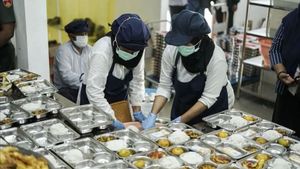
At the implementation stage, cleanliness is very important. Equipment and ingredients must be maintained so as not to be contaminated by hazardous dirt or microorganisms. In addition, the temperature and processing time must be considered so that the nutritional content in food ingredients is not lost due to the excessive heating process.
Good implementation also reflects skills and discipline in processing food. Manpower or food processors need to understand basic cooking techniques and the correct sanitation principles. That way, the final products produced are not only delicious but also safe for consumption by the public.
The next stage is presentation, namely the process of arranging and serving food to be attractive and worthy of serving. Good presentations not only consider aesthetics, but also cleanliness and regularity of the portion with nutritional needs. Arrangement of neat and proportional foods can increase appetite and give a professional impression.
At this stage, the serving containers and equipment must be clean and safe to use. Avoid using containers made of hazardous or damaged materials, because they can contaminate food. In addition, the recitation temperature also needs to be considered so that food remains in the best condition.
An interesting and hygienic presentation reflects the quality of the previous processing process. On a culinary business scale, this stage also has strategic value because it can increase product attractiveness in the eyes of consumers.
SEE ALSO:
-
 | LIFESTYLE
Budaya Kerja Sehat yang Bikin Karyawan Betah dan Semakin Produktif
28 Agustus 2025, 19:35


The last stage is evaluation, namely the process of assessing the results of food processing based on taste, texture, appearance, and hygiene. Evaluation aims to find out whether the final result is in accordance with the set standard. If a shortage is found, the evaluation results can be used as material for improvement for the next process.
The evaluation is carried out thoroughly from raw materials to final products. This assessment can be done by self-processing or by other parties who understand food quality standards. With evaluation, the quality of food products can continue to increase over time.
The evaluation stage also serves to ensure that products meet food safety standards and consumer satisfaction. In the food industry, this stage is even the basis for certification and improvement of the production system.
That is the explanation of the 4 appropriate stages of food processing. Each stage has an important role in maintaining the quality, taste, and safety of food. By following this stage properly, the final results of the food are not only delicious but also safe for consumption.
The English, Chinese, Japanese, Arabic, and French versions are automatically generated by the AI. So there may still be inaccuracies in translating, please always see Indonesian as our main language. (system supported by DigitalSiber.id)
Most Popular Tags
#Prabowo Subianto #donald trump #Febrie Adriansyah #8791 #giias 2026Popular


