

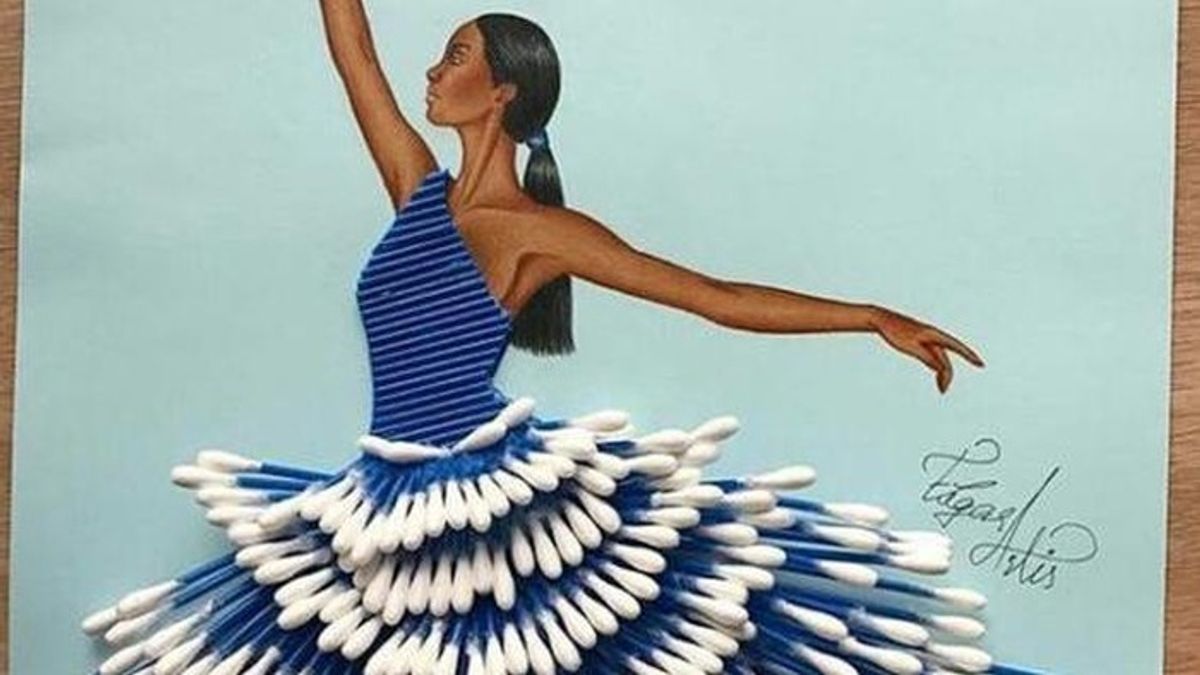


YOGYAKARTA - Kolase is one of many simple works of art that can be taught to children. Kolage is classified as a type of art that sticks apart from applications, montage, and mozaik. So what are the techniques used to make collages?
Kolase is made by combining various ingredients that have distinctive patterns, such as wood, shells, flowers, leaves, rocks, and even used paper. These materials are then attached to the surface of the image so that new forms are created.
Kolase can also be understood as a sticky art created by combining painting techniques by attaching special ingredients in one frame, so that new works of art are created.
Making collages certainly requires high patience and skills in combining, compiling, and attaching existing ingredients so that they become beautiful works of art.
SEE ALSO:
-
 | LIFESTYLE
Cara Mengenali Kepribadian dari Dekorasi Ruang Tamu, Anda Termasuk yang Mana?
05 Oktober 2025, 19:47 -
 | LIFESTYLE
Kenali Tipe Pencahayaan Ruangan, Ikuti 7 Tips Mengaturnya agar Tepat dan Efisien
30 September 2025, 17:47 -
 | LIFESTYLE
Hiasan Dinding Ruang Tamu yang Bisa Mempercantik Rumah, Apa Saja?
04 Oktober 2025, 09:55
Quoted from the Medical Book of Child Physical Development Methods by Evi Desmariani, M.Pd., types of collages can be divided based on functions, dimensions, patterns, and materials.
Basically, any material or material can be used in the manufacture of collages as long as it is arranged into an attractive and unique composition. However, in general, we can divide the raw materials for collage into two:
Quoted from the Kemendikbud website, the types of equipment and collage techniques used must be adjusted to the types of raw materials because the characters of each type of material are different.
Therefore, the types of equipment and techniques used to make collages made from nature are different from the need to make collages made from processed or used materials. However, in general, the main equipment needed is:
As for engineering, there are various techniques, two-dimensional and three-dimensional collages can be made with varied techniques, including:
Kolase can be made with one technique or two or more combined techniques. The methods used to create collages include:
Demikianlah reviewasi mengenai teknik yang digunakan untuk membuat karya kolase. Semoga bermanfaat! Kunjungi VOI.id untuk mendapatkan informasi menarik lainnya.
The English, Chinese, Japanese, Arabic, and French versions are automatically generated by the AI. So there may still be inaccuracies in translating, please always see Indonesian as our main language. (system supported by DigitalSiber.id)
Most Popular Tags
#Prabowo Subianto #donald trump #2026 World Cup #Febrie Adriansyah #8791Popular


