


YOGYAKARTA - National Batik Day is celebrated every October 2 as a form of appreciation for one of Indonesia's global cultural heritages. This commemoration is not only a reflection of the nation's cultural wealth. With this celebration, people are reminded again to preserve local cultural products.
History of the determination of National Batik Day is related to world recognition. UNESCO on October 2, 2009 officially designated Indonesian batik as World Intangible Cultural Heritage. This decision further emphasizes batik as the nation's cultural identity.
UNESCO designated Indonesian batik as World Intangible Cultural Heritage in the fourth Inter-Government Committee session in Abu Dhabi. In addition to batik, other Indonesian culture that has received UNESCO recognition is wayang, keris, noken, and Saman dance. Everything is included in the Representative List of the Intangible Cultural Heritage of Humanity list.
To strengthen national pride, on November 17, 2009, President Susilo Bambang Yudhoyono set October 2 as National Batik Day. This determination was made through Presidential Decree No. 33 of 2009, which is valid until now.
The history of batik is closely related to kingdoms in Indonesia such as Majapahit and Mataram. Initially, batik was only used as clothing for royal and royal families. However, over time, batik developed widely and was used by the general public.
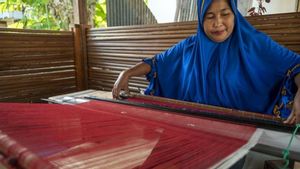
Batik manufacturing techniques are very diverse, ranging from writing batik, stamps, to printing. Traditional dyes used usually come from plants such as soga, penduling, and soil. Each technique and material reflects local wisdom and high artistic value.
Batik motifs also contain a deep philosophy that describes the identity of each region. Yogyakarta, Solo, Pekalongan, and Cirebon, for example, have different motifs from each other. Diversity is this motif that makes batik a symbol of Indonesia's cultural wealth.
SEE ALSO:
-
 | LIFESTYLE
Perbedaan Gaya Kain Batik yang Disukai Gen X, Milenial, dan Gen Z
29 September 2025, 13:25 -
 | LIFESTYLE
Peringati Hari Batik Nasional, Ini Pandangan dan Gaya Kesukaan Gen Z
01 Oktober 2025, 20:25
The beauty of batik has also attracted the attention of the world community. Even world leaders such as Nelson Mandela, Barack Obama, and Vladimir Putin have worn batik in official events. This is an important moment that shows how batik is valued in the international arena.
Especially Nelson Mandela, he often appears with batik in various world forums. His love for batik began when he received a batik gift on his visit to Indonesia in 1990. Then, Mandela wore batik more often until he was finally known for his distinctive fashion style.
The beauty of batik also penetrates the world of global fashion. International fashion shows in Milan and New York often display Indonesian designers' works with batik materials. This further confirms that batik is the best wastra cloth owned by the Indonesian people.
Referring to the official website of the Ministry of Industry, the commemoration of National Batik Day 2025 will take place from October 2 to November 30. This celebration will collaborate with the Textile Museum with the theme Merahwit Batik. This theme was chosen to introduce the detailed beauty of Indonesian batik motifs.
Previously, the Ministry of Industry together with the Indonesian Batik Foundation held the National Batik Movement (GBN) in Pasaya Blok M, Jakarta. The event took place on July 30, August 3, 2025 with the theme Bangga Berbatik. On that occasion, Cirebon's Merahwit Writing Batik was designated as the official icon of GBN and HBN 2025.
National Batik Day is not just a ceremonial, but also an event to strengthen people's love for local culture. This momentum is expected to be able to encourage batik craftsmen to continue to innovate and become an important pillar in Indonesia's economic growth.
The English, Chinese, Japanese, Arabic, and French versions are automatically generated by the AI. So there may still be inaccuracies in translating, please always see Indonesian as our main language. (system supported by DigitalSiber.id)
Most Popular Tags
#Prabowo Subianto #donald trump #firearm #8791 #giias 2026Popular


