


JAKARTA - In the midst of the 2025 CHANDI event at The Meru Sanur, Bali, a different atmosphere was felt in the yard of the Bali Beach Convention Hall. The sound of the hammer mixes with the roar of fire, the hot metal glows, and the persistent empu arms form heirloom blades.
This is the workshop created by Keris which will take place on September 3'5, 2025, presenting a creative and spiritual process behind traditional Indonesian weapons.
Keris is not just an heirloom or a stab gun. It is a spiritual mix of art, a legacy of metallurgical knowledge, as well as a cultural symbol that has lived since the 8th century. Visitors can see firsthand how a mixture of metals 'iron, steel, to nickel' is heated to more than 1,200 degrees Celsius, then forged repeatedly until it gives birth to a bar with a distinctive fiber called prestige.
"To produce one Balinese keris weighing about 75 grams, you can spend 5'20 kilograms of metal. The only remaining is the strongest metal juice," said Basuki Teguh Yuwono, Special Staff to the Minister for Culture History and Protection, in a press statement in Denpasar.
SEE ALSO:
-
 | BERITA
Affan Tewas Dilindas Rantis Brimob, Prabowo: Saya Terkejut dan Kecewa
29 Agustus 2025, 13:09 -
 | LIFESTYLE
Budaya Kerja Sehat yang Bikin Karyawan Betah dan Semakin Produktif
28 Agustus 2025, 19:35
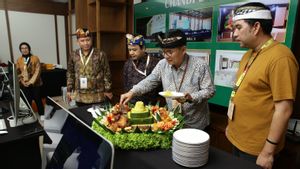
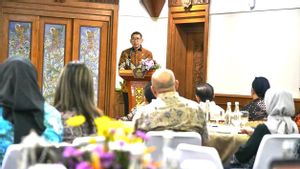

Interestingly, even though they are dealing directly with the fire and metal sparks, the ampus chooses to work only in simple clothes. They believe that the skin is safer to be hit by sparks than a cloth that can actually trigger a fire.
For Balinese people, keris is an ancestral heirloom that is not only stored in temples or used in traditional ceremonies, but is also seen as a work of art born from inner goods. Making keris demands more concentration, awareness, and deep taste than just technical expertise.
UNESCO has recognized keris as a World Intangible Cultural Heritage. However, according to the Director General of Cultural and Traditional Protection, Dr. Restu Gunawan, M. Hum, the value of the Keris should not only be seen from the mystical side. Keris needs to be introduced to the younger generation. In addition to keeping culture alive, keris can also provide economic value and shape the nation's character," he said.
Through this workshop, Keris was introduced as a life heritage across generations, not a dead object that was trapped in the past, but a cultural symbol, a source of inspiration, and an identity that continues to be relevant today.
The English, Chinese, Japanese, Arabic, and French versions are automatically generated by the AI. So there may still be inaccuracies in translating, please always see Indonesian as our main language. (system supported by DigitalSiber.id)
Popular


