


YOGYAKARTA Probiotic fermented vegetables that can be made easy and fun at home. Through a simple fermentation process, you can turn vegetables into healthy snacks that support digestion and increase nutritional absorption. In this article, describe basic fermentation methods, the tools needed, to tricks to make the results optimal and delicious. Interested in trying to make healthy foods at home? Check the explanation.
Vegetables fermentation is a natural preservative method that has been used since ancient times. Citing Culinary Arts Switzerland, Thursday, August 14, this method not only extends the life of vegetable storage, but also increases the taste of getting richer and more complex. fermented results produce probiotics or bacteria either that support the health of your intestines.
Bacteria such as Lactobacillus play an important role by converting sugar in vegetables into lactic acid, which provides a distinctive sour taste while keeping food durable. This process also helps the body absorb vitamins and minerals more efficiently.
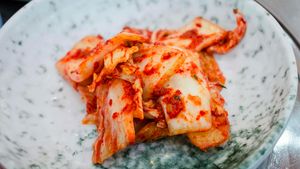
The choice of various fermentation methods, ranging from dry salting (such as sauerkraut) techniques, fermented with brine (sal water), to Korean-style estileos. Each method, has a different taste and texture.
Nothing is complicated or difficult in making fermented processed vegetables. You only need a few staple items, including a sterile clean glass jar, non-yodium salt (such as sea salt or kosher), as well as clean water or filter so as not to interfere with fermentation.
To keep vegetables submerged and prevent mold growth, use weights such as cauli leaves, fermented glass rocks, or other tools. Reported by The Guardian, maintaining anaerob (without oxygen) condition is very important for good bacterial growth. You can also add spices or spices such as garlic, black pepper, or bayar leaves for richer flavors. However, make sure everything is clean and hygienic so that fermentation remains safe.
The fermentation process needs to be ensured to use completely clean tools and vegetables. Because, in this process, it is very easy to be contaminated. Well, if you are contaminated with certain substances, even the air is not right, the fermentation process will not be optimal. So, cleanliness is the first step towards safe fermentation and produces delicious probiotic high vegetables.
SEE ALSO:
-
 | INFO SEHAT
Studi Ungkap Konsumsi Makanan Fermentasi Bantu Jaga Kesehatan Ginjal
03 Juni 2025, 00:25 -
 | INFO SEHAT
Punya Tekstur Unik dan Bau Menyengat, Ini Manfaat Makan Natto untuk Kesehatan
01 Agustus 2025, 18:25

In addition to ensuring that it is not contaminated, do not use beryodium salt because it can inhibit the growth of good bacteria. Non-yodium salt such as sea salt or kosher is much safer and more effective. The fermentation process also needs to be monitored every day. When a fungus or odor appears that diverges, it is safer to dispose of the batch immediately. However, if only a thin layer on the surface of the fires and vegetables remains submerged, you can remove it and continue to be carefully fermented.
It is also important to pay close attention to, temperature also affects. Consistent temperatures make the fermentation process more stable. While temperature fluctuations can slow down or damage the process. Please note, the fermentation process needs to be ensured to be stable in room temperature between 1824$$C.
The above explains the steps and tricks to fermented probiotic high vegetables at home. This method does not require sophisticated tools, only jars, salt, water, and the intention to be healthy. With the tips above, you can start to be creative in the kitchen and feel the benefits for your body and digestion.
The English, Chinese, Japanese, Arabic, and French versions are automatically generated by the AI. So there may still be inaccuracies in translating, please always see Indonesian as our main language. (system supported by DigitalSiber.id)
Popular


