


YOGYAKARTA - The text of the Proclamation of Indonesian Independence was read by Ir. Soekarno on August 17, 1945. This text marked the birth of the Unitary State of the Republic of Indonesia (NKRI). Behind this sacred moment, several figures played a crucial role in formulating and drafting the text of the proclamation of independence.
The drafting of the text of the proclamation of independence took place at the home of Rear Admiral Tadashi Maeda in Menteng, Central Jakarta, from the night of August 16 until dawn on August 17, 1945. Two central figures in the drafting of the text were Ir. Soekarno and Drs. Mohammad Hatta, assisted by several other figures.
Cited from various sources, here are some of the figures who drafted the text of the proclamation of independence.
- Soekarno
As a central figure in the history of Indonesian independence, Sukarno was not only the republic's first president but also one of the principal authors of the proclamation text. On the evening of August 16th, Sukarno and Mohammad Hatta returned to Jakarta after being kidnapped by a group of youths in Rengasdengklok.
At Admiral Maeda's house, Sukarno wrote down the contents of the proclamation text, dictated by Hatta. Then, the following morning, Sukarno read the text aloud, marking the birth of the Republic of Indonesia.
- Mohammad Hatta
Indonesia's first vice president, Mohammad Hatta, played a key role in drafting the proclamation text. During the drafting process, Hatta was considered the most skilled at crafting a concise, concise text that represented the aspirations of the entire nation.
After all figures agreed on the intended message of the proclamation, Hatta then drafted the text, which was then signed by Sukarno.
- Achmad Soebardjo
Achmad Soebardjo, a national movement figure who also served as Indonesia's first Minister of Foreign Affairs, played a role in drafting the proclamation text. He also played a key role in persuading the youth to allow Soekarno and Hatta to return from Rengasdengklok to Jakarta.
Soebardjo was not present during the proclamation reading. He returned home to rest after the proclamation text was completed. Several people were sent to pick him up, but exhaustion from the night-long discussions forced him to rest.
- Sayuti Melik
Another important figure was Sayuti Melik, who was responsible for typing the final draft of the proclamation. After Sukarno handwrote the text, Sayuti typed it using a typewriter borrowed from the German Navy representative office.
Sayuti also made several minor edits to the text to improve spelling and grammar, resulting in the proclamation text we see today.
- Sukarni
Sukarni, a youth figure, suggested that the proclamation text be signed only by Sukarno and Hatta, not by the entire group. All those present agreed that the proclamation text be signed by the two figures on behalf of the Indonesian nation.
- Laksamana Tadashi Maeda
Although not Indonesian, Admiral Maeda played an equally important role. As a Japanese Navy officer, Maeda provided a safe haven in his home for the drafting of the proclamation text.
His sympathetic attitude toward the Indonesian struggle enabled the drafting process to proceed without interference from the Japanese military. Maeda's home is now preserved as the Museum of the Drafting of the Proclamation Text.
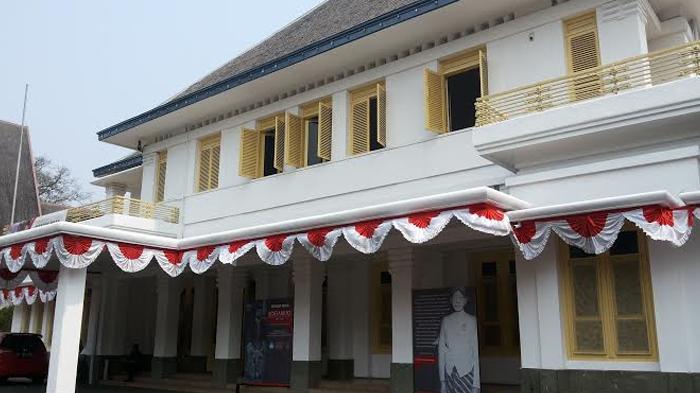
It is hoped that current and future generations will continue to remember and honor the contributions of the figures who drafted the Proclamation of Independence. They laid the foundation for the independence we enjoy today.
Maintaining the spirit of unity, nationalism, and love of the homeland is the best form of respect for those who sacrificed their thoughts, energy, and even their lives for Indonesian independence.
By recognizing and understanding their roles, we not only appreciate history but also learn from the eternal value of struggle and dedication.
The English, Chinese, Japanese, Arabic, and French versions are automatically generated by the AI. So there may still be inaccuracies in translating, please always see Indonesian as our main language. (system supported by DigitalSiber.id)
Most Popular Tags
#Prabowo Subianto #donald trump #firearm #8791 #giias 2026Popular


