


JAKARTA - Japanese food has long been known in the world as one of the healthiest diets. No wonder the life expectancy in Japan is among the highest in the world.
Many people think this is because the type of food is low in calories or free of sugar, but actually the secret is simpler than that.
Japanese food is healthy because of the way they cook, the choice of ingredients used, and the eating habits that are already rooted in their culture.
Here are 5 reasons why Japanese food is classified as very healthy, as reported by the Times of India website.
1. Varieties of various foods
In one typical Japanese dish, you will not find a large main menu. On the other hand, the contents consist of some simple small portions, such as rice, boiled vegetables, roast fish, miso soup, maybe also stir or tofu.
Nothing is too heavy, but when combined, it becomes a balanced and filling dish. Enough to energize, but it doesn't make you full.
2. Fermentational Food Intake
Miso, salted soy sauce, scarves, and natto (fermented soybeans) are fermented foods that are commonly consumed by Japanese people every day. This food helps digestion, nourishes the stomach, and helps the body absorb nutrients better. Instead of relying on probiotic supplements, Japanese food provides it naturally through flavors that have existed since hundreds of years ago.
3. More Dominant in consuming fish
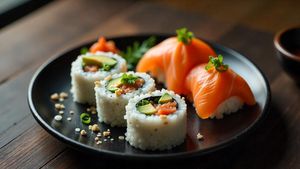
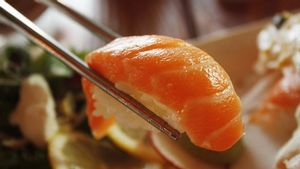
Japanese people eat more seafood than red meat. Fish such as salmon, sardines, and macaquel are often present in the daily menu. These fish are rich in good fat (omega-3) that nourishes the heart and brain.
The cooking method is also simple, which is usually roasted, served raw, or lightly boiled. Not added heavy sauce or fried in oil. Clean and fresh taste, the portion is also not large, so it still feels light but nutritious.
4. Vegetable recitation
In Japanese cuisine, vegetables are served in various forms, ranging from raw, steamed, boiled, or disinfected. Seaweed is also present and contains minerals that are not found in ground vegetables.
Vegetables are not oversaled, not covered in flour, and not fried. Served naturally so that the texture and nutrients are maintained. Vegetables are not just an addition to make them healthy, but are indeed part of the habit of eating from a long time ago.
SEE ALSO:

For example, daikon (white bag) is often used in soups, bailouts such as a dose, or cut as a fresh complement.
5. Stable Food Tempo
Japanese people eat in peace and not in a hurry. Dishes are served in small bowls, eaten with fire, and enjoyed slowly.
This method naturally makes a person chew longer, feels the taste of food deeper, and gives the body time to be full.
There is no pressure to quickly finish the plate. This slower diet not only helps digestion, but also makes eating feel more satisfying.
The English, Chinese, Japanese, Arabic, and French versions are automatically generated by the AI. So there may still be inaccuracies in translating, please always see Indonesian as our main language. (system supported by DigitalSiber.id)


