


YOGYAKARTA - One of the main results of soil erosion is seen in the agricultural sector. The soil top layer (topsoil) rich in nutrients is very important for plant growth. When this layer disappears, the harvest can certainly decrease drastically. Soil becomes malnutrient, soil structure is damaged, and water absorption capacity decreases. As a result, plants cannot grow properly.
Erosi also caused the formation of grooves and trenches that interfered with the agricultural system. In many areas, such as mountainous areas in Indonesia, agriculture is not feasible because the soil contours have been badly damaged.
Launching Indonesian Citizens of Indonesia, studies found erosion in Java caused 2 percent loss from the total Gross Domestic Product (GDP) of the Indonesian agricultural sector. Another study showed that soil erosion in Sleman, Yogyakarta, caused a loss of 17 percent of farmers' net income per hectare.
Erosion of soil not only has an impact on agriculture, but has also exacerbated the climate crisis. Healthy soil can store large amounts of carbon, helping reduce greenhouse gas emissions.
When soil degrades due to erosion, its ability to absorb carbon also decreases. This means more carbon dioxide remains in the atmosphere and exacerbates global warming.
On the other hand, climate change also accelerates soil erosion. High and erratic rainfall erodes the soil faster. The Intergovernmental Panel on Climate Change (IPCC) warns that without conservation measures, the soil could erode a hundred times faster than its formation.
2. Erosion Impact on Waterways and Ecosystems
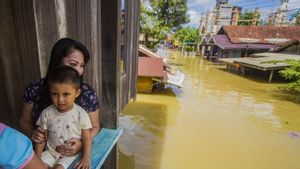
Erosion of soil also has a major impact on water quality and the survival of the water ecosystem. Land carried downstream will settle in rivers, lakes, or reservoirs, causing silting and reduced water capacity. This situation increases the risk of flooding.
In addition, the eroded soil containing pesticides, fertilizers, and other chemicals also pollutes water. This has an impact on human health and water biota. In coastal areas, land erosion can disrupt ecosystems such as coral reefs. For example, the quality of water in Terumbu Karang Besar (Great Barrier Reef) has decreased due to sediments and pollutants carried by floods from the mainland.
SEE ALSO:
-
 | BERITA
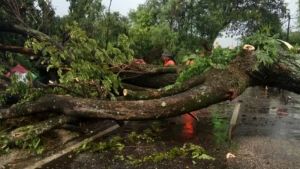
Diguyur Hujan Lebat, 3 Kecamatan di Manggarai Timur Waspada Longsor dan Erosi Tanah
01 Desember 2022, 11:40 -
 | BERITA
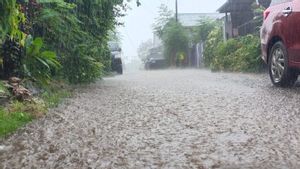
Masyarakat di 18 Daerah NTT Diminta Waspada, Dua Hari ke Depan Diguyur Hujan Deras
09 Februari 2022, 23:52
Erosi soil is a serious challenge that threatens agricultural sustainability and environmental stability. However, a number of solutions have been developed to tackle this problem. Reporting from Eden Green, here are some solutions to overcome soil erosion.
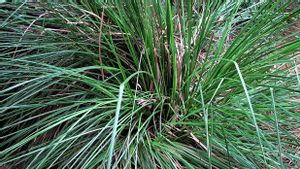
One of the effective natural methods is planting soil cover plants (cover crops) such as semanggi and black wheat. These plants function to protect soil surfaces from splashing rainwater and blowing wind which is the main cause of erosion. In addition, when these plants rot, they provide additional nutrients into the soil.
Reforestation and agrophorestry are also long-term solutions. Planting trees in agricultural land or open land helps hold soil through a strong root system. The existence of trees also reduces runoff and improves soil structure and increases biodiversity.
2. Sustainable Agricultural Practices
Farmers can apply the method of agriculture without soil processing (no-till farming) that keeps soil structures intact and prevents loss of a fertile upper layer. In addition, regular plant rotation, for example alternating between corn and nuts, maintaining nutritional content and encouraging the health of soil microorganisms.
In hilly areas, the most frequent practice is very effective. This technique creates a level of leveled land that slows the flow of water, thereby minimizing soil smoothing and increasing water infiltration into the ground.
3. Technology Solutions
Modern technologies such as hydroponics and vertical agriculture offer radical solutions by eliminating the use of soil completely. This system reduces pressure on land and avoids the risk of erosion altogether.
By combining natural approaches, smart agriculture practices, and technological innovation, we can protect the soil from damage and ensure a more sustainable and environmentally friendly agricultural future.
The English, Chinese, Japanese, Arabic, and French versions are automatically generated by the AI. So there may still be inaccuracies in translating, please always see Indonesian as our main language. (system supported by DigitalSiber.id)


