



JAKARTA - In the midst of the threat of a global food crisis and increasing pressure on natural resources, it is important for the public to start adopting a lifestyle that is more aware of food management.
Food loss (loss food) and food waste (food waste) are not only a matter of throwing away food, but also wasting the energy, land, water, and energy used in its production and distribution. Reducing both is no longer just a temporary campaign, but must be part of everyday life habits.
Representative of the Food and Agriculture Organization (FAO) for Indonesia and Timor Leste, Rajendra Aryal, emphasized the importance of strengthening education to the public in order to reduce the amount of food wasted in various stages of the supply chain.
"In an effort to maintain food security, the issue of food loss and food waste is very crucial because a third of the total food produced is not consumed," said Rajendra while attending an activity in Bandarlampung, as quoted by ANTARA.
He revealed that FAO together with the Indonesian government have collaborated on various programs that focus on public education and socialization related to the importance of reducing food waste.
The data shows about 30 percent of the food is lost in the process from production to distribution, while the remaining 70 percent are wasted at the consumer level. This indicates that we must be more active in building public awareness," he explained.
SEE ALSO:
-
 | LIFESTYLE
Circular Fashion, Tren Penting untuk Industri Mode yang Berkelanjutan
20 Juli 2025, 15:50 -
 | LIFESTYLE
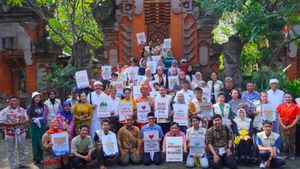
Generasi Muda Lintas Agama dan Difabel Bersatu Gerakkan Keadilan Iklim
06 Juli 2025, 14:45


One of the proposed approaches is to take advantage of food residue for other useful purposes, such as being used as organic fertilizer. Rajendra added that food waste management training has been provided through various programs, including Cool Farmers, which teaches the younger generation how to process food waste into fertilizer for their plants.
Through this program, young people not only learn about agriculture, but are also taught the importance of sustainability and their role in reducing food waste," he continued.
Not only stopping at training programs, FAO has also conducted a number of studies to understand natural resource management and encourage public understanding, both locally and globally, about the impact of food waste.
Rajendra emphasized that these steps are important to prevent a food crisis that may occur if the food loss and food waste issues continue to be ignored. According to him, the sooner this awareness is built, the greater the chance to create a sustainable food system in the future.
The English, Chinese, Japanese, Arabic, and French versions are automatically generated by the AI. So there may still be inaccuracies in translating, please always see Indonesian as our main language. (system supported by DigitalSiber.id)
Most Popular Tags
#Prabowo Subianto #donald trump #2026 World Cup #Febrie Adriansyah #8791Popular


