


YOGYAKARTA - The growth and development phase in animals is almost similar to humans. Growth and development of animals will occur in all parts of the body. The phase of animal development and growth begins with the fertilization process, in which the egg cell undergoes a fertilization process by the sperm cell. Furthermore, the embryonic phase and the post-embryonic phase. In this article we will discuss the embryonic phase in animals.
Growth and development in animals is a process that all animals must experience. Growth in animals can be known quantitatively. In other words, the increase in size and weight can be measured with numbers. In addition, growth is also irreversible.
Meanwhile, the process of animal development is characterized by changes that accompany this growth, for example, the structure and function of organs that are increasingly complex and perfect. This development cannot be measured, therefore it is qualitative.
The Process of Growth and Development in AnimalsThe process of growth and development in animals occurs in two stages, namely the embryonic and post-embryonic phases.
Embryonic stages in animals.The development and birth of embryos in animals are divided into three ways, namely viviparous, oviparous, and ovoviviparous.
The mechanism of growth and birth of embryos in viviparous animals is by giving birth. Embryonic development occurs inside the mother's body and gets a food reserve from the placenta. When the child is old enough, it will be released by giving birth.
As for oviparous animals, their development is by laying eggs. The embryo of this animal will develop inside the egg shell using the food reserves inside it. The egg is outside the mother's body.
Meanwhile, for ovovivipar animals, that is, by laying eggs and giving birth. The animal embryo is formed and develops inside the egg that is inside the mother's body. After the final stage of the embryonic phase occurs, the animal will hatch and come out of its mother's body which is reminiscent of giving birth.
The growth and development of the embryonic stage in animals are in sequence, including morula, blastula, gastrula, and organogenesis.
Morula stageThe first stage of the embryonic phase in the process of growth and development is the division of mitosis many times, starting from one fertilized ovum, into 2, 4, 8, 16, 32, and 64 cells, which are called blastomer cells. After numbering 64, the cells will be a hollow ball and form a morula.
Blastula stageAfter entering the blastula stage, the morula cells divide until finally a hollow ball is formed with fluid inside, and is called a blastula. The blastula cavity is called the blastosoel. The stage of blastula formation is blastulation.
Gastrulation stageThe next stage is gastrulation, which is the stage of formation of the gastrula which is the result of the development and growth of the blastula. At this stage, the blastula will undergo a bend that forms a new cavity or a gastrosoel is formed. The hole of the bend is called the blastopor which will later develop into the anus.
Organogenesis stageThe last stage of embryonic animal development and growth is organogenesis. During this stage, organs of the body will develop from the three-layer glastrula that occurs in the gastrulation stage.
The endoderm layer will develop into the digestive and respiratory organs. The mesoderm layer will develop into muscles, skeletons, reproductive organs, blood circulation, and excretion. The ectoderm layer will develop into hair, skin, the nervous system, and the senses. Post-Embryonic PhaseThe stage of animal development after the embryo begins when the animal is born or hatches. In the post-embryonic phase, we can see that animals will get bigger and grow from small to adult. The stages and development of animals from small to adult are called the animal life cycle.
For certain types of animals, a process of metamorphosis will occur, and some other types of animals undergo metagenesis.
MetamorphosisMetamorphosis is a gradual change in the shape of an animal, starting from larva to adulthood. Metamorphosis is generally found in amphibians and insects. Based on the process, metamorphosis is divided into two, namely perfect and imperfect metamorphosis.
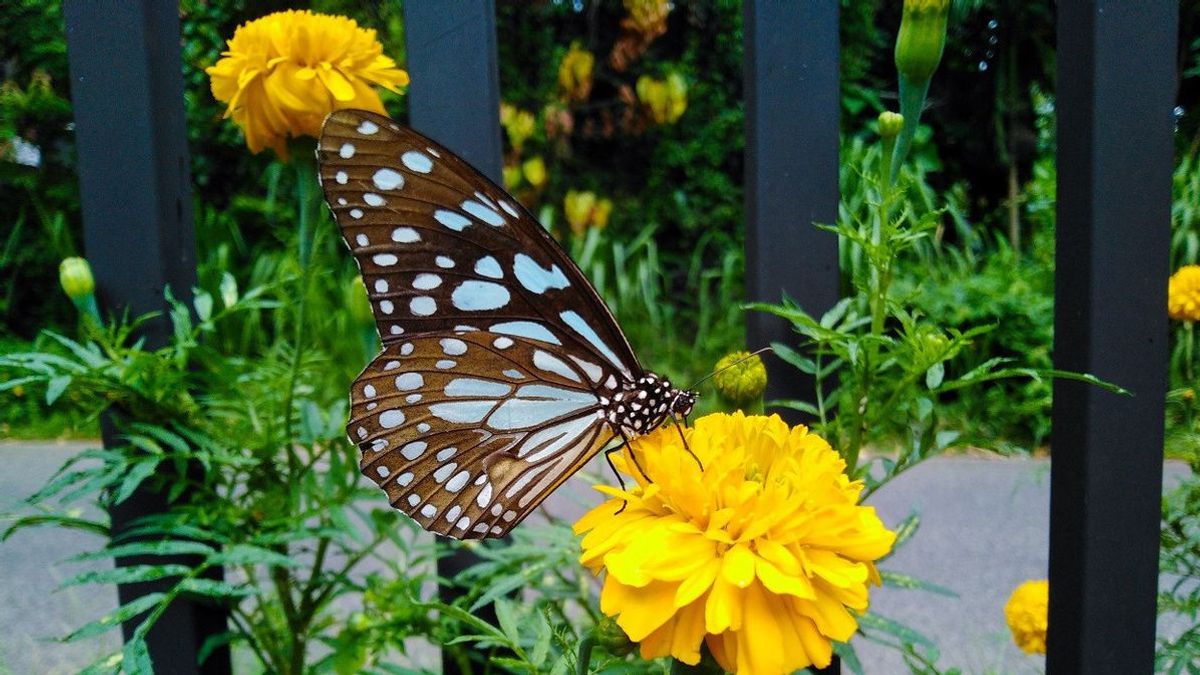
In perfect metamorphosis (Holometabola), the shape of young and adult animals will look very different. Perfect metamorphosis is characterized by the characteristic of the pupa or cocoon phase. Animals that undergo perfect metamorphosis include butterflies, flies, wasps, and bees. The stages of perfect metamorphosis are simple, namely:
telurlarvapupa or cocoon adult animals or imago.As for incomplete metamorphosis (Hemimetabila), the shape of the animal that hatches and when it is an adult is not much different. The striking difference is in the nymph phase (when it just hatched), the insect does not have wings. When in the adult phase, the insect will have wings. The life cycle of insects that undergo incomplete metamorphosis is:
telurnimfahewan dewasa (imago).MetagenesisMetagenesis is a process of alternation of generations between sexual and asexual phases. Metagenesis not only occurs in plants, but also in some animals. An example of an animal that undergoes metagenesis is jellyfish.
That's the review of the embryonic phase in animals. Hopefully this information is useful! Visit VOI.id to find other interesting information.
The English, Chinese, Japanese, Arabic, and French versions are automatically generated by the AI. So there may still be inaccuracies in translating, please always see Indonesian as our main language. (system supported by DigitalSiber.id)


