
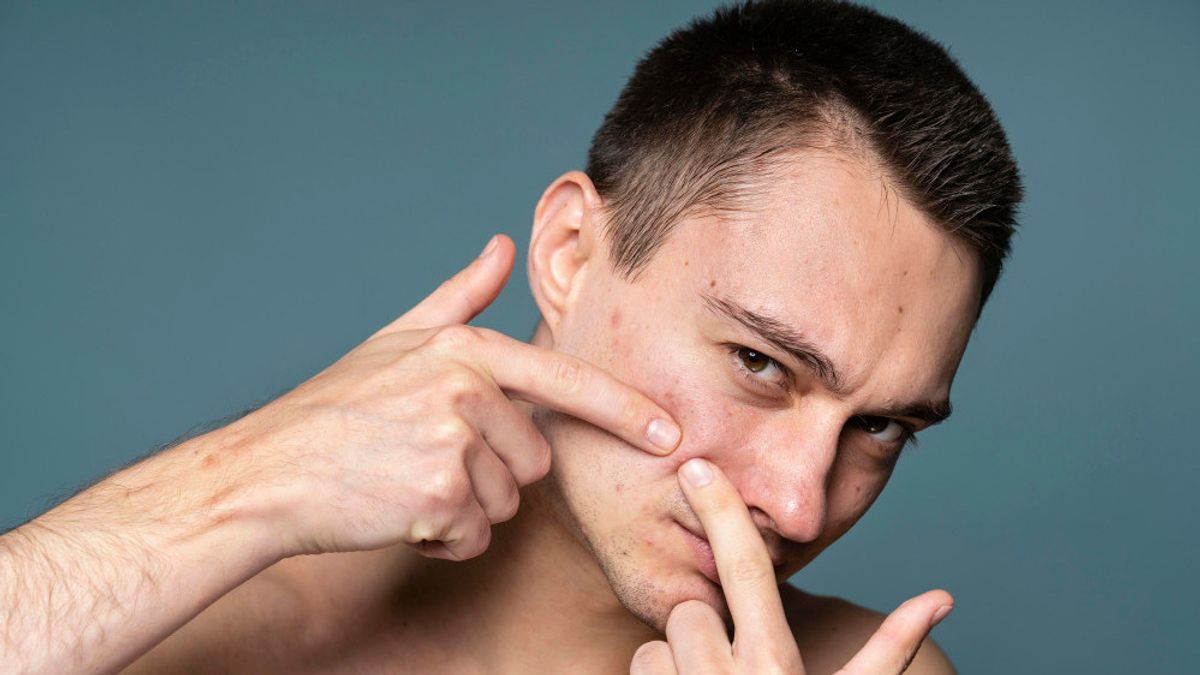


YOGYAKARTA - Acne on the cheek often feels more disturbing because it is easy to see and can leave scars. Acne on the cheek can be caused by various factors, both from outside and inside the body. One of the main triggers is exposure to bacteria from the hands or objects that often come into contact with the face. But eating certain foods can also trigger acne. Well, what food makes acne on the cheek? The following are explained by seven common causes of acne in the cheek area, as well as practical solutions to overcome it.
Some studies say that certain foods, especially those with high sugar and dairy products, can affect hormones and acne worsen. High food gla and dairy products, reported Harvard Health, Monday, July 14, can trigger inflammation in the body. It also triggers acne breakouts on the cheeks. To prevent acne due to certain diets, it is important to pay attention to daily food intake. Reduce consumption of processed foods, sweet drinks, and excess dairy products. Try adding fresh vegetables and water.
The screen of a cellphone that often sticks to the cheeks when calling can store bacteria, oil, and dirt that changes to the skin. According to Annie Gozales, MD., a Miami-based dermatologist reported by Byrdie, unexpectedly this device that cannot be separated from the hands can cause acne on the cheeks. Suggestions to prevent acne from falling on the cheeks, it is necessary to clean the phone screen regularly using an antiseptic tissue or a microfiber cloth wetted with alcohol. Or as much as possible, use your earphone when calling.
Cloths that touch your face while sleeping or dry your face can accumulate oil, dust, and bacteria. According to Gonzales, even if you treat facial skin completely, but if pillows and towels rarely change, there will be many opportunities for germs to be exposed and cause acne.
Pillows, bed sheets, and towels that rarely turn into a breeding ground for bacteria, dust, dirt, mushrooms, and elergen. These particles can trigger acne on the cheeks. To prevent cheek acne, change pillowcases at least once a week and use a special clean face towel. Avoid using body towels for the face.
Hands touch various surfaces throughout the day. If you say Gonzales, the cheeks seem to bear the burden of our daily habits. The more often we touch the face, the more dirt, bacteria, oil, allergens, and dead skin cells stick to the facial skin, especially the cheek area. When you touch the cheeks, bacteria from the hands can move to the skin and trigger acne. So, make it a habit not to touch your face for no reason. If necessary, make sure your hands are clean.
Sponsors or makeup brushes that are rarely cleaned can spread bacteria to the face. It is also important to pay attention to the composition of various makeup products that you use. As much as possible, avoid products that contain acne-causing ingredients. Such as containing alcohol or synthetic fragrances that may be able to irritate or be comeogenic. In addition, wash makeup brushes at least once a week. Use special soaps for baby brushes or shampoos and dry them well before being reused.
SEE ALSO:
-
 | INFO SEHAT
Mengenal Jerawat Papula: Berikut Penyebab, Ciri, dan Cara Mengatasinya
20 April 2025, 07:25

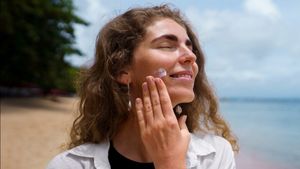
The use of masks for a long time can cause friction, moisture, and buildup of sweat that clogs the pores. So if you are active in crowded places and have to wear a mask, choose a mask with soft material, such as from cotton cloth. Change the mask regularly and wash it after use, especially if the cloth mask.
Hormonic fluctuations, such as during menstruation, pregnancy, or medical conditions such as PCOS, can increase oil production and trigger acne. Acne on the cheeks due to hormonal imbalance problems, it is important to consult a dermatologist or endocrine expert if acne feels severe or does not improve with regular care. Hormonic therapy can be a solution.
As in the explanation above, acne on the cheek can be triggered by many things, from daily habits to factors in the body. But the good news, most of it can be prevented by minor changes in your routine. Start from maintaining cleanliness, choosing the right product, and not hesitate to seek medical help when necessary.
The English, Chinese, Japanese, Arabic, and French versions are automatically generated by the AI. So there may still be inaccuracies in translating, please always see Indonesian as our main language. (system supported by DigitalSiber.id)


