


JAKARTA - Bengkulu is not only known for its charming natural charm, but is also rich in historical heritage that should be explored. This province holds many important sites that witness Indonesia's independence journey. From the historic building of colonial heritage to the home of national figures, historical tourism in Bengkulu is an educational experience full of meaning.
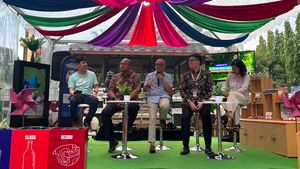
Deputy Minister of Tourism and Creative Economy, Ni Luh Puspa, invites tourists to explore superior destinations in Bengkulu as part of tourism development based on history and nature. This was conveyed during a working visit to Bengkulu on Saturday, July 5, 2025.
"In Bengkulu there are important traces in the history of national independence. This potential needs to be echoed so that this area is known as a historical and natural tourist destination," he said in a press release released in Jakarta, Sunday.
During his visit, Ni Luh Puspa visited several historical sites that have now been developed as educational tourist destinations. One of them is Bung Karno's Assistance House, the temporary residence of the first President of Indonesia during the period of exile by the Dutch colonial government.
The classical architecture building now functions as a museum and stores various Bung Karno memorabilia. It contains books of private collections, original furniture, as well as notes of the proclaimer's thoughts that illustrate his struggles in the past.
BACA JUGA:
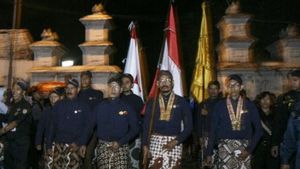


The journey continues to Mrs. Fatmawati's house, which is located not far from the previous location. This house became a space to show off the life of Bung Karno's wife, especially her important role in sewing the Red and White heirloom flag. There, visitors can witness historical relics such as sewing machines, clothes, and documentation photos.
"Mrs. Fatmawati's figure is very inspiring. She is a symbol of the strength of Indonesian women who should be used as role models," said Ni Luh.
Furthermore, the Deputy Minister of Tourism visited Fort Marlborough, a British colonial heritage fort that stands since 1714. In addition to displaying the typical 18th-century European architecture, this fort also offers a stunning sea panoramic from above its defense walls.
The visit was ended at the Sari Rasa Crafts and Souvenir Center, where tourists could buy regional products such as processed oranges, traditional snacks, and local handicrafts that became the hallmark of Bengkulu.
According to Ni Luh Puspa, historical-based tourism development such as in Bengkulu is a strategic step to encourage an increase in domestic and foreign tourist visits. The government targets foreign tourist visits to reach 14.6 to 16 million people, as well as more than 1 billion domestic tourist trips by 2025.
Festival Eliap melah membukti budaya di Bengkulu hidup dan berkembang. Kini saatnya kita bersama-sama memperkuat promosi agar destinasi-destinasi sejarah di daerah ini semakin meninggi dunia, pungkas Ni Luh.
The English, Chinese, Japanese, Arabic, and French versions are automatically generated by the AI. So there may still be inaccuracies in translating, please always see Indonesian as our main language. (system supported by DigitalSiber.id)
Popular


