


JAKARTA - The Zero Waste Mountain Movement has now transformed into a new symbol of environmentally friendly climbing in Indonesia. This concept is not only an invitation to bring garbage back down from the mountains, but also a comprehensive management system to preserve the hiking trail from upstream to downstream.
From Central Java to South Sulawesi, this movement began to show a real positive impact on nature and the surrounding community. One of the early examples of the successful implementation of this concept is in Mount Kembang, Wonosobo Regency.
Through a strict and educational management system for climbers, this mountain is widely known as the first waste-free area in Indonesia.
Climbers are required not to bring single-use plastic to the top, and every supply is managed since the climbing post. As a result, the Gunung Kembang ecosystem is well maintained, the route is clean, and the surrounding forest is still thick and natural.
This success then inspired other regions to apply a similar approach. Mount Bulu Baria in South Sulawesi is the next example. Located in Manimbahoi Village, Parigi District, Gowa Regency, a 2,730 meter high mountain above sea level is slowly known as the first garbage-free mountain in eastern Indonesia. In Bugis language, Bulu means a mountain, and now Bulu Baria is a new icon of climbing without a trace of garbage.
The system implemented in Bulu Baria is not much different. The waste management process begins when the registration post. All climbers must move their logistics to a special container that has been prepared by the basecamp manager.
Every item that has the potential to become trash is carefully recorded and must be brought back down. If something is missing, climbers are subject to fines as a form of responsibility.
Uniquely, this hiking trail is also closed every beginning of the year, from January to March, to provide time for nature to recover during the rainy season.
The move shows that Zero Waste Mountain is not only about physical hygiene, but also a thorough treatment of the balance of the ecosystem.
SEE ALSO:
-
 | LIFESTYLE
6 Jalur Pendakian Gunung Slamet, Seperti Apa Trek yang Harus Ditaklukan?
16 Februari 2025, 10:57
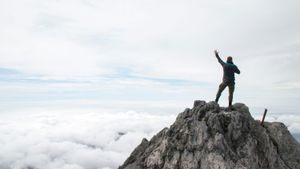
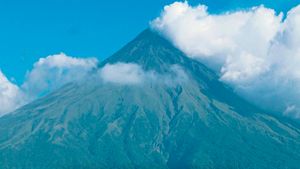
One of the figures behind the success of Bulu Baria is Musta'in, a basecamp manager who actively educates climbers and ensures that every rule is obeyed.
In the Indofest 2025 event in Jakarta, recently, he shared his experiences and struggles to keep this mountain clean and sustainable.
Musta'in tells the story, written rules that keep Bulu Baria clean and free of garbage start from the registration post. From Pattiro Hamlet, Manimbahoi Village, every climber who wants to start his first step towards the peak of Bulu Bara, is checked for supplies, security equipment also moves his supplies into a container that has been prepared by the manager.
"The briefing can be moved to a container, we have prepared the container, it can be used by climbers as a facility. Then what can be disposable waste, recorded and must be brought down again on the way home."
"If one trash is lost, there will be a fine. Then in one year, Bulu Baria will be closed from January to March during the peak of the rainy season. For ecosystem maintenance, and restoring natural conditions, now Bulu Baria is known as a garbage-free mountain in Sulawesi," Mustin said in a press statement at EIGER Adventure to VOI.
Musta'in's story serves as a reminder of nature's preservation, not only the government's or large organizations, but can also start with small communities that care and are consistent.
The spirit of Zero Waste Mountain is now being echoed, with the hope that more mountains in Indonesia will adopt a similar approach. The climb that is responsible is not only about conquering the summit, but also respecting nature in every step of the journey.
Donikara's Galih as Advisor of the Eiger Adventure Service Team, Eiger's collaboration and support for Bulu Baria is in line with the values that have been maintained and maintained by this brand for the last 35 years, namely innovation, nature and humans.
According to Galih, the innovations carried out are expected to have a direct impact on nature and its human beings.
"Bulu Baria shows us that in Sulawesi it turns out that the cleanest and trash-free mountain. We invite to continue to maintain this commitment, by all villagers and managers as well as traditional elders from Manimbahoi Village."
"Hopefully in the near future there will be more mountains in Indonesia that we can enjoy the beauty of it, without any garbage from registration posts to peaks," concluded Galih.
The English, Chinese, Japanese, Arabic, and French versions are automatically generated by the AI. So there may still be inaccuracies in translating, please always see Indonesian as our main language. (system supported by DigitalSiber.id)
Most Popular Tags
#Prabowo Subianto #donald trump #2026 World Cup #Febrie Adriansyah #8791Popular


