


YOGYAKARTA Ahead of Ramadan, people in each region have their own unique traditions. One of the traditions to welcome Ramadan is padusan. The padusan tradition ahead of Ramadan is carried out in a crowd, but there are also those who do it alone. This article will provide information about the culture of padusan in Indonesia.
Padusan is a tradition of welcoming the month of Ramadan carried out by people in Central Java and Yogyakarta. This tradition is a merger of two cultures, namely Islam and Java and continues to be passed down from generation to generation and is still preserved today.
The word padusan itself comes from the Javanese language, namely 'adus' which means bathing. From this word padusan can be interpreted as a bathing tradition carried out by Muslims in Central Java to welcome the coming of the month of Ramadan.
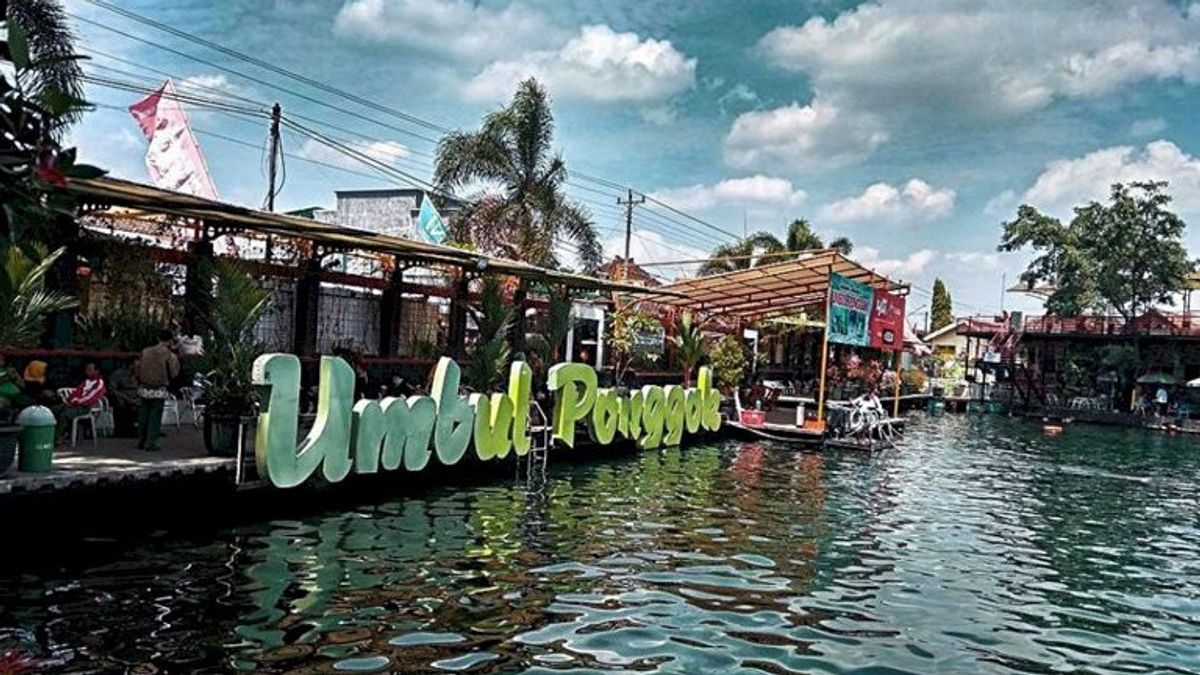
Usually padusan is done in springs, rivers, or water ponds. Padusan can also be done in each bathroom.
Regarding the procedure, padusan does not have standard rules that regulate its implementation. Each region has a different way of doing padusan. However, on average, padusan culture is carried out in springs that can be accessed by many people.
The padusan tradition is explained in an article published in Journalbasicdu. In the journal, it is said that the padration is an annual tradition that is usually done two days before Ramadan fasting, it can be on 29 and 30 Ruwah (Java calendar).
There is no definite source to say when this tradition will start. However, on the website of the Sonobudoyo Yogyakarta Museum, it was explained that the forerunner of the padusan would start from the Majapahit era. At that time, the Bramana Knight until a Empu routinely performed self-reflection rituals in the form of bathing in the springs.
This ritual combines various elements of belief, namely Hinduism, Buddhism, and Animism in Javanese Pulai. Then after Islam spread in Java, padusan traditions developed and continued to be passed on.
In cultural glasses, padusan has a very deep philosophical meaning. This tradition is a symbol of a means of cleansing and healing oneself from sins and bad things that exist in the body, especially the heart.
These sins and crimes need to be eliminated in order to become a holy person. With this purity, a person is declared ready to welcome and carry out Ramadan worship.
Meanwhile, the water in the springs is considered capable of dredging the human liver. The spring symbolizes clarity and purity that is able to clean the soul and body.
Not only as a symbol of self-employment, padusan tradition also has social benefits between human beings.
As is known, padusan is carried out in crowds in springs, rivers, or other water sources. At the moment of padusan, many people will gather from various directions. This moment was used as a means of chatting and strengthening closeness between others.
That's information related to padusan tradition ahead of Ramadan. Visit VOI.id to get other interesting information.
The English, Chinese, Japanese, Arabic, and French versions are automatically generated by the AI. So there may still be inaccuracies in translating, please always see Indonesian as our main language. (system supported by DigitalSiber.id)
Most Popular Tags
#Prabowo Subianto #donald trump #2026 World Cup #Febrie Adriansyah #8791Popular


