
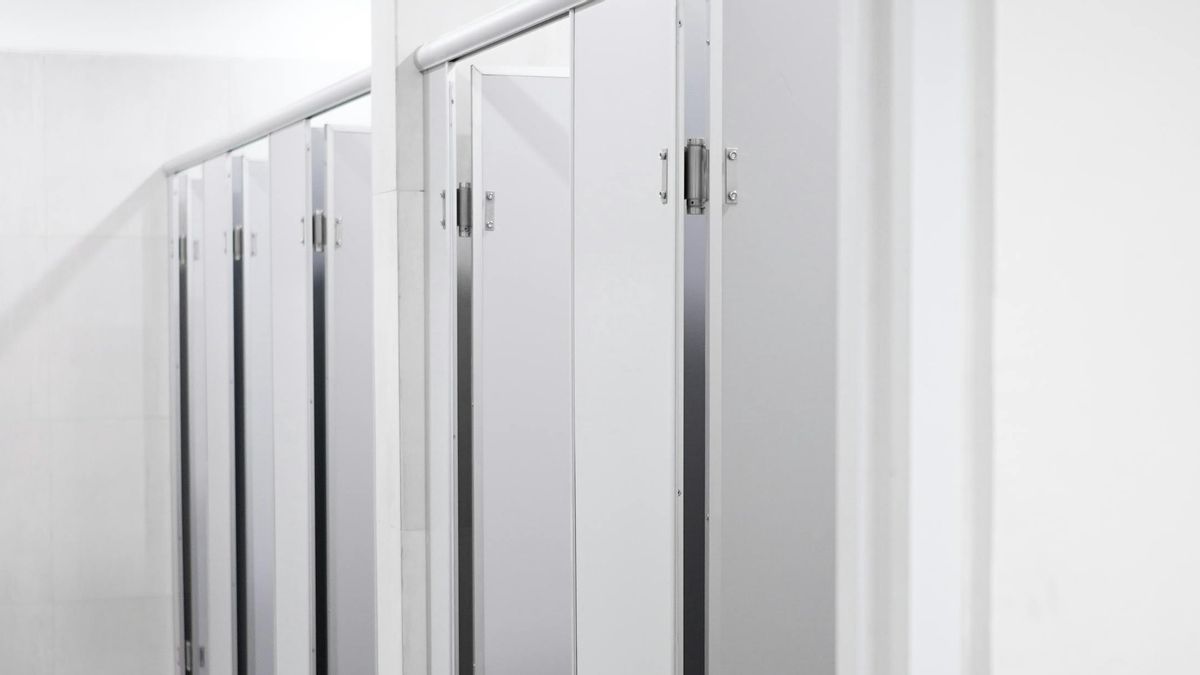


JAKARTA - Public toilets usually have a gap in the bottom. The design of the gap at the bottom of this public toilet turns out to have special reasons, not just appearances. Here are some reasons that you can know, quoted from the Excelsion Cubicles, Friday, February 21, 2025.
1. Easy access during an emergency
One of the main reasons public toilets have a gap in the bottom is to facilitate access in case of an emergency. If someone faints or experiences health problems inside, people from outside can quickly notice it with the condition of the leg or sign of movement from the gap.
The gap also allows security officers or other users to immediately provide help without having to wait too long. If needed, people from outside will also find it easier to unlock the toilet or even crawl in without having to break the door by force.
2. Helping air circulation
Public toilets are often used by many people in a short time, so without good ventilation the air in them can be stuffy and uncomfortable. Slits under the door can help increase air circulation, allowing also bad smell out faster.
In addition to reducing odors, good air circulation can also help reduce moisture in toilets, which can be a breeding ground for bacteria and fungi.
SEE ALSO:
-
 | LIFESTYLE
Soft Travel, Konsep Baru Liburan Santai Untuk Menghilangkan Penat
29 November 2024, 15:55 -
 | LIFESTYLE
Selain Jepang, 5 Tempat Wisata Terbaik untuk Menikmati Taman Bunga Sakura
06 November 2024, 15:55



3. Make it easier to clean
Slits under public toilet doors are also made to facilitate the cleaning process, because it allows water, moisturizers, or cleaning sprays to reach all parts of the floor without having to open every booth door. If there are no gaps, water and dirt can be trapped in the booth, making toilets dirty more quickly.
In addition, the subdoor gap also helps the floor drying process take place faster after cleaning. This reduces the risk of slippery floors, which could potentially endanger toilet users.
The English, Chinese, Japanese, Arabic, and French versions are automatically generated by the AI. So there may still be inaccuracies in translating, please always see Indonesian as our main language. (system supported by DigitalSiber.id)


