



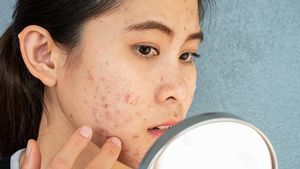
JAKARTA - An eyebrow ketombe can occur to anyone, not hit by age or gender. But you don't have to worry too much if you experience it because this condition is quite common. Some studies show that ketombe can affect about 50 percent of the population. The main symptoms of eyebrow ketombe, among which are white or yellow flakes on the skin below and around the eyebrows, itching on and around the eyebrows, red spots and irritation, rashes to the appearance of scaly eyebrows.
According to the American Academy of Dermatology Association, there are various causes of eyebrowsty.
"There are many factors that cause seboroic dermatitis, including yeast that usually live in the skin, genes, living in a cold and dry climate, stress, and overall person's health," explains Dr. David Lurtscher, board-certified dermatologist and Curology CEO.
In particular, the organization mentions skin conditions (such as rosacea, psoriasis, and acne) and other diseases such as Parkinson's, HIV, epilepsy, alcoholism, eating disorders, and depression as possible triggers.
"I see eyebrow ketombe as more common in adult and old men, but, of course, it can happen to women and younger people too," added Dr. Alicia Zalka, board-certified dermatologist and founder of Surface Deep.
Then, how to treat it? Dermatologists launched Byrdie, Thursday, February 20, explaining that there are five easy ways to deal with ketombe in the eyebrows.
Apple cuka is a staple of various skin care, kitchen, and even eyebrows. Zalka suggested making apple vinegar vinegar a "tonear eyebrows." After the night cleaning routine, Zalka suggested using apple vinegar on a water-wet cotton ball. Use a pipette and make sure to squeeze the excess water from a cotton ball so it doesn't drip. Then, compact a cotton ball with one movement on your eyebrows.
This treatment can be used once or twice a week, and because apple vinegar vinegar is diluted with water, there is no need to rinse afterward. But be careful: Make sure the vinegar doesn't hit your eyes.
Dr. Morgan Rabach, suggests washing your face both in the morning and at night, plus after finishing exercising. According to Rabach, washing your face regularly is able to remove mold, thus preventing irritation of eyebrows and removing dead skin cells and other piles of dirt on the skin throughout the day.
Teknik double cleanser merupakan salah satu cara penting merawat dan menjaga kulit, serta mencegah dermatitis seboroik terutama di sekitar kalik, cambang, dan garis rambut, kata ahli skincare, Varuni Palacios.
"This is a way to ensure that makeup, sunscreen, oil, dead skin cells, and bacteria are completely lost."
However, washing your face too often is also not good. But Rabach warns that a lot of base soap and facial skin 'like' to be acidic, so washing your face too often can cause pH changes and can cause irritation and acne. If you keep washing your face twice a day or three times if you exercise make sure to use a soft cleaning.
Special soaps to treat acne can also be used to treat ketombe on the eyebrows. According to Palacios, gel cleaners with salicylic acid as an active ingredient will help the skin peel dead skin cells from the top layer and reduce redness and swelling.
SEE ALSO:
-
 | LIFESTYLE
Mengenal Bedanya Ketombe dan Kulit Kepala Kering, Sudah Tahu Cara Mengatasinya?
31 Januari 2024, 15:41 -
 | LIFESTYLE
Meskipun Tidak Menular, Perhatikan Perbedaan Ketombe Basah dan Kering
21 Oktober 2024, 13:48
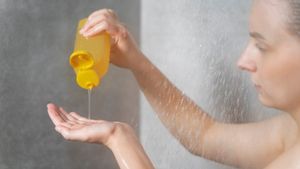
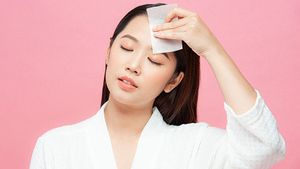
Tea tree oil can be used as aromatherapy and cleaning to remove excess sebum. Rabach recommends using several drops of tea tree oil at night to clean up the remaining ketombe.
"The tea tree oil has some antioxidant properties and can also help hydrate dry skin," he added.
Touching your face continuously can worsen therolly condition in the eyebrows and you may not notice it.
"Don't touch or scratch your face," Palacios said, "it's the easiest way to move bacteria and cause further inflammation."
Either eyebrows peeling due to dry skin or excessive irritation, keeping the skin below healthy and hydrated will alleviate the problem. Use moisturizers with good ingredients for the skin such as ceramide or humectant rather than products that can cause sensitivity (such as fragrances) that can worsen or irritate sensitive eyebrow areas.
The English, Chinese, Japanese, Arabic, and French versions are automatically generated by the AI. So there may still be inaccuracies in translating, please always see Indonesian as our main language. (system supported by DigitalSiber.id)


