
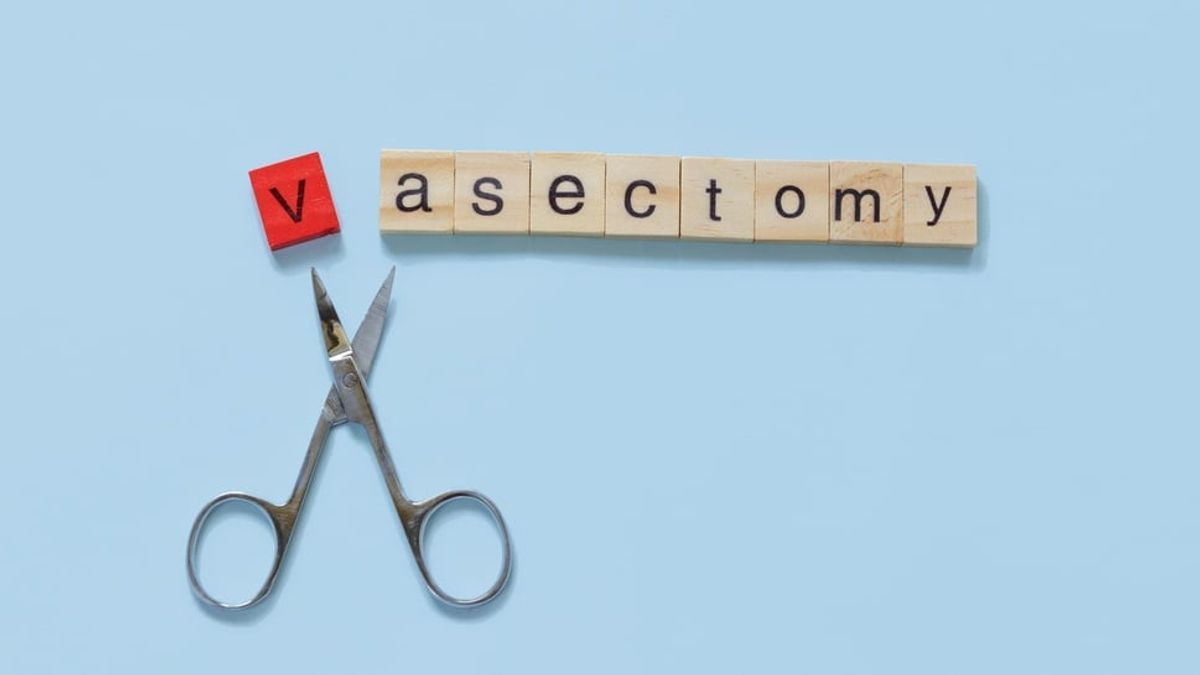


YOGYAKARTA - The difference between circumcision and vasectomy may still not be too well understood by many people. Moreover, these two procedures both affect male fertility. Circumcision and vasectomy in men also affect the prostate gland, testosterone production, and vas deferens in the reproductive system. In addition, these two procedures are also related to hormones and infertility in men.
However, did you know that the circumcision and vasectomy procedures are very different. Including from its purpose, so that the effects felt are also not the same. For more details, see the explanation below.
The Difference Between Vasectomy and CircumcisionReported by Healthline, castration is a surgical procedure to remove one or both testicles. This procedure, called bilateral orchiectomy, is generally applied to men with the aim of reducing testosterone levels. In addition to surgery, castration can also be done with drugs, this action is called chemical castration.
Meanwhile, vasectomy is a surgical procedure aimed at stopping sperm from coming out of a man's penis. This procedure is done to control birth or contraception permanently.
The difference between vasectomy and vasectomyThe procedure of circumcision with surgery is generally carried out to help treat prostate cancer or due to other health conditions. Likewise with the chemical circumcision procedure which serves as one of the treatments for prostate cancer in men. Including helping to slow the spread of cancer. This is applied by lowering the levels of male hormones or androgens.
Chemical castration is also applied in several countries as a punishment for sexual offenders. This is because chemical castration can reduce libido, so it is believed that it can prevent sexual violence perpetrators from repeating their actions.
Meanwhile, vasectomy also serves as a permanent male contraceptive. The goal is of course to prevent pregnancy in women. Although vasectomy is very safe and effective for preventing pregnancy, this procedure does not protect men from disease.
The difference between circumcision and vasectomy proceduresSurgical castration is applied by removing the testicles from the body, especially for prostate cancer sufferers. This action will further affect the shape of the testicles in men. This is different from chemical castration procedures.
As reported by Healthline, chemical castration is done with oral medications, injections, or subcutaneous implants. This of course affects hormone levels in men, but there is no immediate change in the appearance of the testicles. Generally, chemical castration procedures must be repeated once a month or once a year, depending on the drug and its dose.
There are 2 types of vasectomy procedures that doctors generally offer, namely vasectomy with surgery and vasectomy without a scalpel. Reported from the Cleveland Clinic website, both of these procedures still have to use local anesthesia so that the scrotum is numb. Anesthesia is given in the form of an injection.
The procedure for the two types of vasectomy is to divide and close the end of the vas deferens or channel that carries sperm, so that sperm will not enter. This process stops sperm from mixing with semen and coming out when a man ejaculates. The surgeon will make a hole in the skin and hold the vas deferens. The vas deferens is then divided and tied, clamped, or burned with an electric current to close the wound.
The impact of castration and vasectomy on male fertilityVasectomy or vasectomy will cause male infertility. However, both have different fertility effects. Vasectomy will stop the production of sperm in the male body.
As for vasectomy, it only prevents sperm from being released through ejaculation. In other words, men can still produce sperm after vasectomy, but sperm will not reach the prostate gland or be released during ejaculation. Therefore, vasectomy is often considered a more recommended approach for men who want to maintain their hormone levels.
That's an overview of the differences between vasectomy and castration. Hopefully useful. Visit VOI.id for other interesting information.
The English, Chinese, Japanese, Arabic, and French versions are automatically generated by the AI. So there may still be inaccuracies in translating, please always see Indonesian as our main language. (system supported by DigitalSiber.id)
Most Popular Tags
#Prabowo Subianto #donald trump #Febrie Adriansyah #8791 #giias 2026Popular


