


Nipah virus is a zoonotic disease that can be transmitted from animals to humans and is known to have a high fatality rate.
Transmission generally occurs through close contact with a carrier animal, such as a fruit bat, or through close interaction between infected humans.
A number of countries in Southeast Asia have reported this case so that the vigilance of the region continues to be increased.
In Indonesia, the Ministry of Health (Kemenkes) has confirmed that there have been no confirmed cases of Nipah virus infection. However, the vigilance system is still running following reports of suspected cases in recent years.
Director of Health Surveillance and Quarantine of the Ministry of Health, Sumarjaya, said that during the period 2024 to 2026, 16 suspected cases were reported. However, all of them have undergone laboratory examinations and the results were negative.
"All the lab results are negative," said Sumarjaya in an online discussion that was attended from Jakarta, as quoted by ANTARA.
He detailed that as of 2026, there have been two reports of suspected cases originating from Central Java and North Sulawesi. Meanwhile, in 2025, nine suspected cases were recorded, and five other cases were reported throughout 2024. The provinces that have reported the discovery of suspects include Riau, West Java, Central Java, North Sulawesi, and West Kalimantan.
Although there have been no positive cases, the Ministry of Health continues to map a number of risk factors that have the potential to open the opportunity for the virus to enter Indonesia. One of them is the presence of fruit bats which are known to carry the Nipah virus, with Indonesia's territory included in the animal's travel route.
Apart from wildlife factors, high population mobility and geographical proximity to countries that have reported cases such as Malaysia, Singapore, and the Philippines are also a concern. The habit of hunting and consuming bats in some areas is also considered a factor that needs to be anticipated.
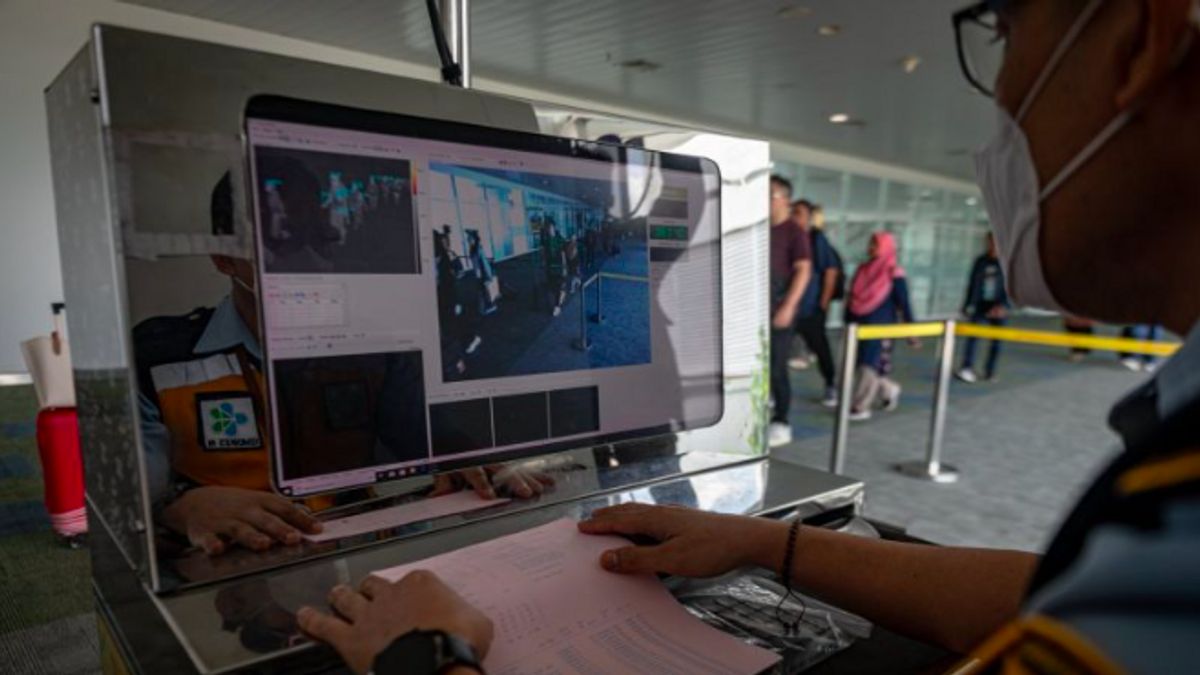
Therefore, strengthening of preventive measures continues to be carried out, especially at the country's entry points such as ports and airports.
"We know that the transmission is close contact. That is, in fact, the risk has been conveyed as low, but it means that the important thing is prevention," said the Director of Health Surveillance and Quarantine of the Ministry of Health, Sumarjaya.
The English, Chinese, Japanese, Arabic, and French versions are automatically generated by the AI. So there may still be inaccuracies in translating, please always see Indonesian as our main language. (system supported by DigitalSiber.id)
Most Popular Tags
#Prabowo Subianto #donald trump #firearm #8791 #giias 2026Popular


