
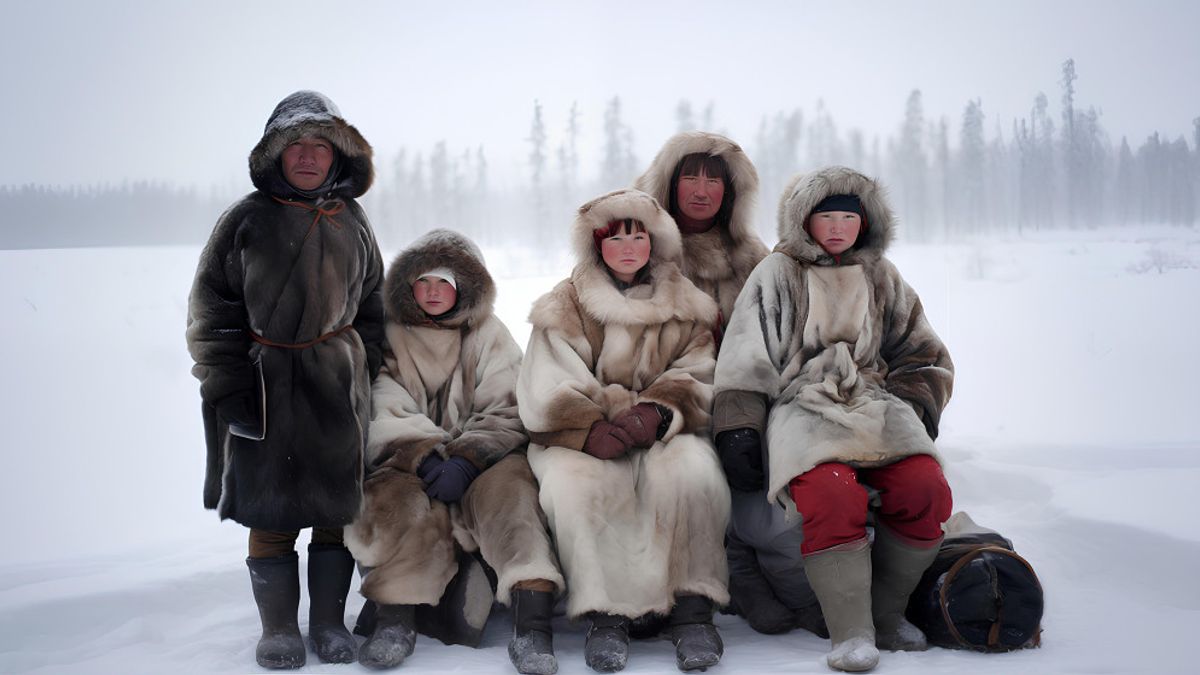


YOGYAKARTA - How much cold temperature can humans tolerate is often a question, especially during extreme weather. In fact, the human body has a certain tolerance limit for temperature before health risks arise.
Exposure to cold temperatures not only affects comfort, but also the function of organs. Environmental factors, clothing, and physical condition determine the body's ability to survive.
Why does cold temperature affect the human body?The human body works to keep the core temperature stable through a mechanism called thermoregulation. When in a cold environment, the body must produce more heat so that vital organs can continue to function. If heat loss is faster than heat production, the risk of health disorders will increase.
Factors such as wind, humidity, and lack of energy intake can accelerate the loss of body heat. This is why cold temperatures feel much more extreme when accompanied by strong winds, known as the wind-chill factor.
What is the degree of cold temperature that humans can still accept?Dilansir VOI dari laman University of Notre Dame, berdasarkan pengamatan ilmiah dan pengalaman ekspedisi militer serta kutub, manusia berpakaian lengkap masih dapat mentoleransi suhu hingga sekitar -29 derajat Celsius tanpa angin. Namun, batas ini sangat bergantung pada durasi paparan dan kecukupan makanan.
The body is actually able to produce a sufficient amount of heat as long as it has energy from food. Therefore, hunger and hypothermia often go hand in hand.
You need to know, without adequate calorie intake, the body's ability to survive in cold temperatures will decrease drastically.
Critical and dangerous limits of extreme cold temperaturesYou need to know, at extreme temperatures of around -44 degrees Celsius, human skin can freeze in just one to two minutes. This condition is known as frostbite or frostbite, which occurs when blood flow to the extremities is reduced.
Ironically, the more blood is diverted to the hands and feet, the greater the body heat lost to the environment. As a result, the body must choose between maintaining core temperature or protecting the extremities.
In mild cases, frostbite causes the skin to turn red and peel off. At a more severe level, the skin can blister, even requiring amputation due to permanent tissue damage.
Also read the article discussing Find Out the Causes of Chills After Giving Birth and How to Overcome It
In addition, the respiratory tract does not have optimal protection from cold and dry air. In extreme conditions, the respiratory tissue can be damaged and peeled off.
Even mild cold temperatures can impair nerve function, reduce sensation, and weaken fine motor skills.
Risk of Hypothermia and Triggering FactorsHypothermia occurs when the loss of body heat exceeds the heat produced. Symptoms include severe chills, numbness, slow heart rate, to an extreme condition known as "metabolic icebox".
The risk of hypothermia increases drastically when a person is submerged in water because water is an excellent heat conductor. Other factors such as alcohol consumption, excessive physical activity, and lack of food also exacerbate this risk.
How Does the Body Adapt to Cold Temperatures?When faced with cold, blood vessels will narrow and divert warm blood to vital organs such as the heart. Then urine production increases due to changes in blood pressure. The body will also shiver to produce additional heat.
In the long run, humans can adapt. Groups of people such as fishermen and native people of cold areas have a higher metabolic rate, partly due to a high-protein diet that helps produce body heat.
The question of how cold a human can tolerate, therefore, depends very much on body conditions, protection, and duration of exposure. Although the body is able to survive in extreme temperatures, serious health risks always lurk if the safe limit is exceeded.
The English, Chinese, Japanese, Arabic, and French versions are automatically generated by the AI. So there may still be inaccuracies in translating, please always see Indonesian as our main language. (system supported by DigitalSiber.id)


