


JAKARTA - The Indian government is moving quickly to curb the spread of the Nipah virus after 5 cases of infection were confirmed and nearly 100 people were quarantined in the state of West Bengal, eastern India.
Local authorities reported three new cases earlier this week, adding to the two previous cases suffered by two nurses, a man and a woman who were first declared positive. Both nurses worked at a private hospital in Barasat, near the state capital, Kolkata.
According to a report by the Press Trust of India news agency, the three latest cases involved a doctor, a nurse, and other health workers.
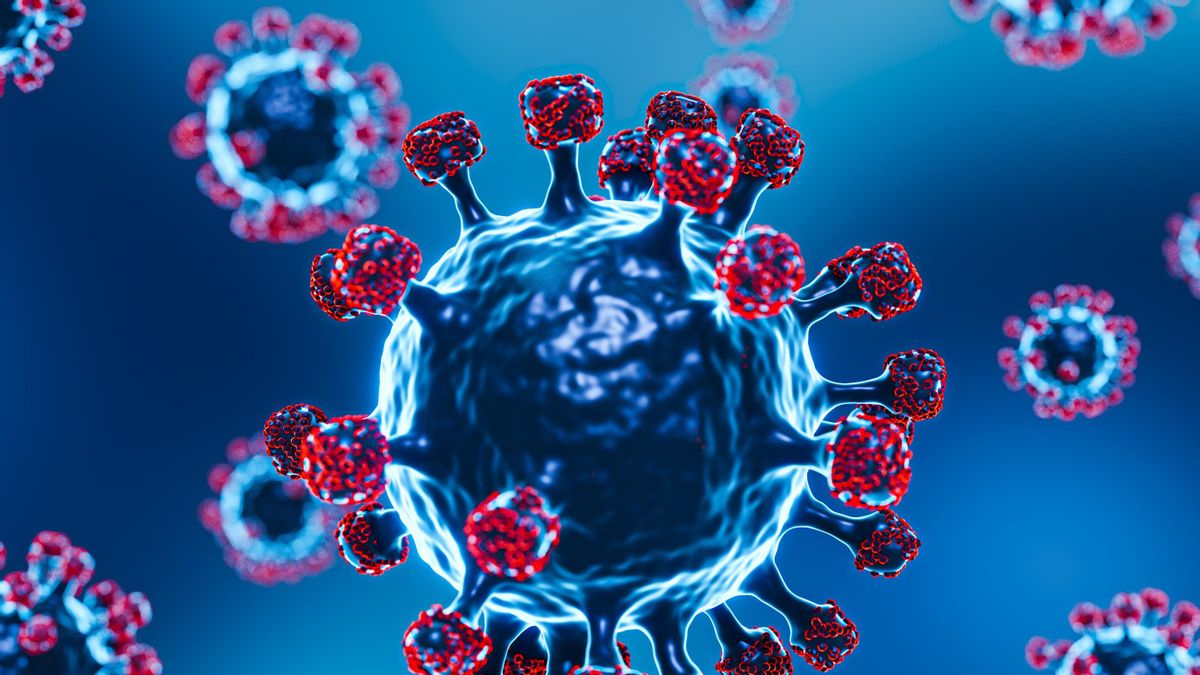
Nipah virus is a disease that can be transmitted between animals and humans. The World Health Organization (WHO) classifies it as a priority pathogen because it has the potential to trigger a major outbreak. Until now, there is no vaccine to prevent infection or a drug that can cure this disease.
Local government officials said nearly 100 people had been asked to undergo self-quarantine at home after the first case was revealed on Monday, January 19, 2026.
Patients with the latest infection are currently being treated at a special infectious disease hospital in Beleghata, east Kolkata. Meanwhile, two previous patients are still being treated in intensive care units (ICU) of a private hospital.
"The condition of the male nurse shows improvement, but the female patient is still in very critical condition. Both are being treated in the ICCU (Intensive Coronary Care Unit)," said a senior official of the West Bengal Health Department, quoted from the independent.co.uk page.
Experts in India, a country that faces Nipah virus cases almost every year, remind the public of the nature of this viral zoonosis, a disease that can be transmitted from animals to humans.
Rajeev Jayadevan, former president of the Indian Medical Association in Cochin, explained that the Nipah virus is found in several bat species. According to him, transmission to humans is relatively rare and usually occurs due to accidental transmission from animals to humans, especially through the consumption of fruit contaminated by bats.
"This risk is greater in rural areas and areas near forests, where agricultural activities increase contact between humans and fruit-eating bats that are looking for food," he said.
Nipah virus has been linked to the deaths of dozens of people in the southern Indian state of Kerala since it first emerged there in 2018.
The virus was first identified in 1998 during an outbreak of the disease among pig farmers in Malaysia and Singapore. Transmission occurs through contact with the body fluids of infected bats and pigs, and in some cases, from human to human.
Scientists suspect the Nipah virus has been in flying fox bats for thousands of years and are concerned that a mutated variant that is more easily transmissible will emerge.
This disease can spread through body fluids such as saliva, urine, and blood, so prevention and strict surveillance efforts are very important.
The English, Chinese, Japanese, Arabic, and French versions are automatically generated by the AI. So there may still be inaccuracies in translating, please always see Indonesian as our main language. (system supported by DigitalSiber.id)
Most Popular Tags
#Prabowo Subianto #donald trump #Febrie Adriansyah #8791 #giias 2026Popular


