


JAKARTA - The World Health Organization (WHO) brings new news regarding resistance to common antibiotics is increasingly widespread around the world. Recent reports, between 2018 and 2023, antibiotic resistance increased by more than 40 percent of the combination of observed pathogens.
This figure with an average annual increase of 5-15 percent. Reports of monitoring the resistance of global antibiotics, which are only available in 2025, have for the first time estimated resistance prevalence in 22 antibiotics.
Starting from antibiotics used to treat urinary tract infections and digestive tract, blood flow, to treat gonore. The report also includes 8 common bacterial pathogens.
WHO estimates that antibiotic resistance is the highest in Southeast Asia and the Eastern Mediterranean region. At that location, 1 in 3 infections were reported to be resistant.
SEE ALSO:
-
 | LIFESTYLE
Kopi Jadi Hambar karena Rokok, Studi Buktikan Indra Pengecap Tak Bekerja Optimal
10 September 2025, 17:25 -
 | LIFESTYLE
Budaya Kerja Sehat yang Bikin Karyawan Betah dan Semakin Produktif
28 Agustus 2025, 19:35
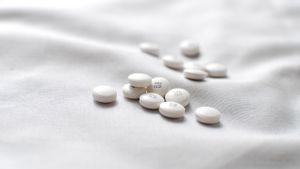

In Africa 1 in 5 infections is resistant. Resistant is also more common and worsening in places where the health system does not have the capacity either to diagnose or treat bacterial pathogens.
"The antimicrobial resistance goes beyond progress in modern medicine, threatening the health of families around the world," said WHO Director-General Dr Tedros Adhanom, quoted from the WHO website, on Tuesday, October 14, 2025.
Data from the Global Antimincrobial Resistance and Use Surveillance System (GLASS) from more than 100 countries warns that increasing resistance to essential antibiotics poses a growing threat to global health.
Therefore, each country is asked to further strengthen supervision of the anti-antiotic resistance (AMR). The public is also asked to use antibiotics more responsibly.
WHO emphasized that the future to deal with antibiotic resistance must be by strengthening systems, diagnostics, and cooperation from all walks of life.
"Our future depends on strengthening the system to prevent, diagnose, and treat infections and innovate with next-generation antibiotics and rapid point-of-care molecular tests," Tedros concluded.
The English, Chinese, Japanese, Arabic, and French versions are automatically generated by the AI. So there may still be inaccuracies in translating, please always see Indonesian as our main language. (system supported by DigitalSiber.id)
Most Popular Tags
#Prabowo Subianto #donald trump #Febrie Adriansyah #8791 #giias 2026Popular


