
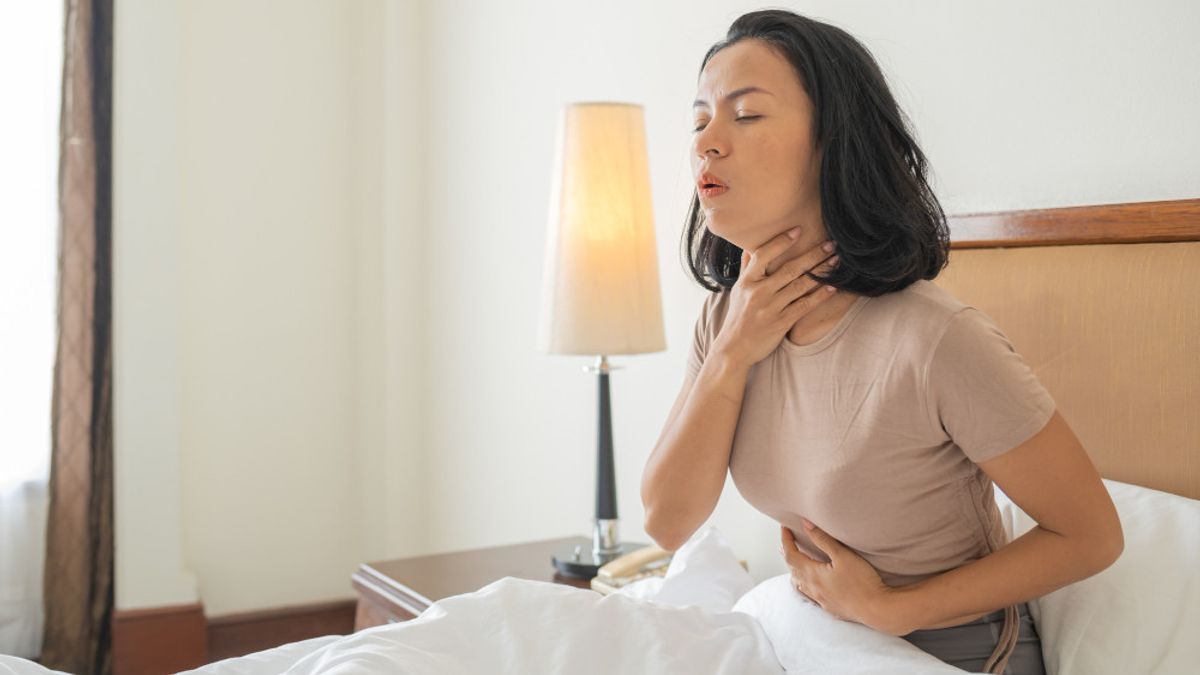


YOGYAKARTA Wet lungs are a medical term for mentioning a condition in which inflammation occurs in the lungs which causes a buildup of fluids in the pulmonary alveoles. Wet lungs can be experienced by anyone regardless of age. Therefore, it is important to know habits that cause wet lungs to avoid them.
Quoted from AI-Care, the disease leading to Pasha's lungs is pneumonia, aka pneumonia. This condition is generally caused by bacterial, viral or fungal infections.
In addition, unhealthy living habits such as alcohol consumption, smoking, and consuming high-fat foods can also increase the risk of pneumonia.
SEE ALSO:
-
 | INFO SEHAT
GERD Dapat Disembuhkan, Pengobatan dengan P-CAB Bisa Menjadi Solusi
15 Agustus 2025, 20:45




Compiled from various sources, here are some habits that cause the lungs to wet:
Quoted from the Very Well Health page, excessive consumption of alcoholic beverages or alcohol abuse has been linked to increasing the risk of sepsis, one of the main causes of wet lungs.
Not only that, this unhealthy lifestyle is also associated with other conditions, namely a decrease in the body's immune response, thereby increasing the risk that can trigger pneumonia.
Smoking habits have been shown to damage the lungs and increase the risk of wet lungs. In addition, smoking can also damage alveoli so that it inhibits the ability of the lungs to clean the liquid.
Abuse of NAPZA (Narcotics, Psychotropics, and other Addictive Substances) is a habit that causes wet lungs. This habit can weaken the immune system, thereby increasing the risk of infection, including bacterial infections or pneumonia-causing viruses.
In addition, the use of narcotics outside medical indications can also make a person choke on food, drinks, saliva, or vomiting while unconscious due to an overdose, causing inflamed lungs.
Lack of physical activity indirectly can increase the risk of wet lungs. This can happen if individuals are rarely obese.
Quoted from Healthline, obesity can affect lung function either directly through physical or indirect restrictions through physiological processes.
Weight gains are generally divided into two main patterns: central obesity and peripheral obesity.
Central Obesity is characterized by a buildup of fat in the chest and abdomen area, forming an apple' body type. Meanwhile, peripheral obesity is characterized by a buildup of fat around the hips, thighs, and body parts, thus forming a pire' body type.
Shortness of breath in people with obesity is usually related to the buildup of fat in the central part. Fat in the chest and abdomen can limit the ability of the lungs to expand, even while resting. This condition can change the normal respiratory pattern and trigger persistent shallow breathing habits.
In addition, obesity can cause narrowing of the respiratory tract, even in severe cases, completely closing the airways.
Central Obesity also has a major impact on the physiological process of the body related to respiratory problems. This condition can trigger chronic inflammation that contributes to an increased risk of wet lungs.
This is information about habits that cause the lungs to get wet. Get other selected news updates only on VOI.ID.
The English, Chinese, Japanese, Arabic, and French versions are automatically generated by the AI. So there may still be inaccuracies in translating, please always see Indonesian as our main language. (system supported by DigitalSiber.id)
Most Popular Tags
#Prabowo Subianto #donald trump #Febrie Adriansyah #8791 #giias 2026Popular


