
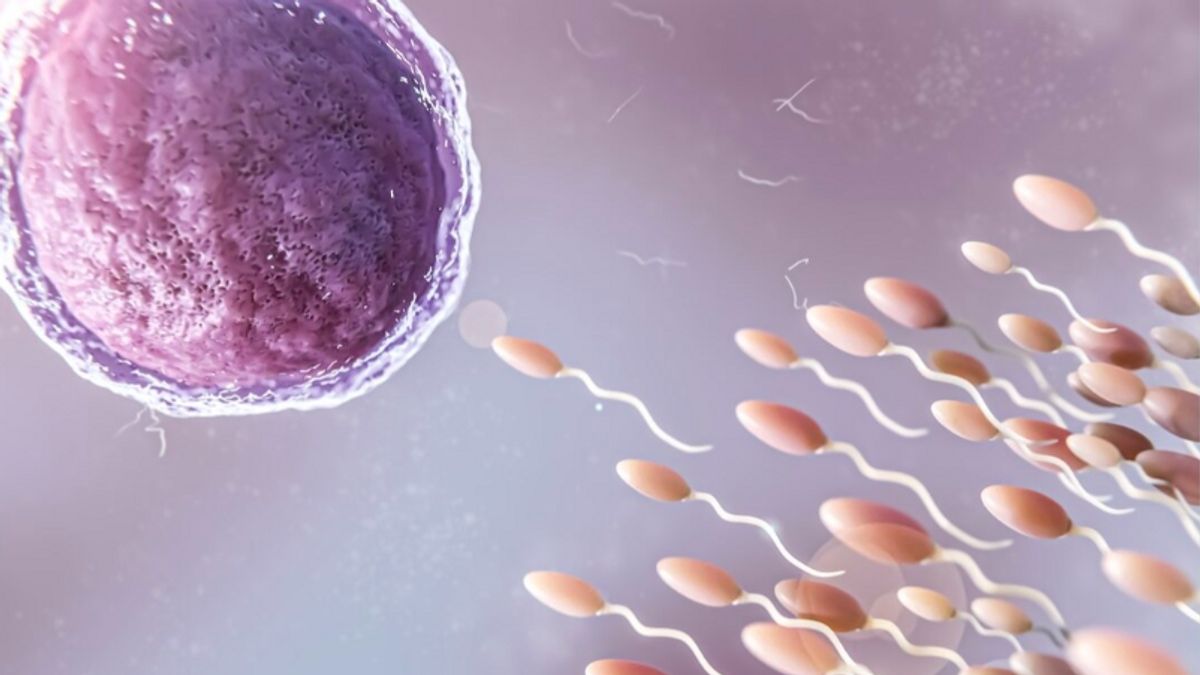


JAKARTA - A recent study finding COVID-19 infection can cause changes in sperm that have the potential to affect hereditary behavior.
Using a mouse model, the researchers observed that male mice infected with SARS-CoV-2 before mating produce offspring that show a higher level of anxiety behavior.
This change is attributed to modifications to non-coding RNAs in sperm that play an important role in regulating gene expression. Girls also show significant changes to gene activity in hippocampus, an important part of the brain for anxiety and mood regulation.
The results of this study are published in the journal Nature Communications. Although further research on humans is still needed, these results show that the pandemic could have a long-term impact on future generations.
This study shows that COVID-19 infection can change various RNA molecules in sperm, including non-coding RNAs that regulate how genes are expressed. This RNA serves as a molecular instruction regulating the development and function of the offspring brain. Changes in these molecules due to viral infection have the potential to affect the neurological development and behavior of children.
According to Professor Anthony Hannan, this study is the first to show SARS-CoV-2 infection before conception can directly affect sperm so that it has an impact on the next generation.
In controlled trials, male mice who had recovered from COVID-19 for several weeks were then married to healthy female mice. The resulting descendants consistently show higher anxiety behavior than the child of an uninfected male mouse.
BACA JUGA:
-
 | LIFESTYLE
7 Rekomendasi Sunscreen yang Sesuai dengan Jenis Kulit dan Kebutuhan
11 Desember 2024, 20:57 -
 | LIFESTYLE
Cara Melakukan Reapply Sunscreen dengan Benar untuk Perlindungan Maksimal
14 Maret 2025, 14:55


Deeper analysis shows significant changes to gene activity in hippocampus, parts of the brain that regulate emotions, stress response, and anxiety. Descendants of women show very strong gene changes related to affective behavior.
Reporting from the Times of India page, the lead author Dr. Elizabeth Kleeman explained that these findings show how viral infections in men can indirectly shape the development of their child's brain. This study emphasizes its contribution to epigenetic science.
This study raises important questions about the long-term consequences of COVID-19, not only for those infected directly. Professor Hannan noted that if similar effects occur in humans, millions of children around the world have the potential to be affected, with implications for their mental health and development.
This finding emphasizes the importance of understanding COVID-19 not only as an acute disease, but also as a factor that can affect the reproductive health and welfare of the next generation.
This study highlights the concept of epigenetics, namely how environmental factors, including viral infections, can change molecular information in sperm. This change can affect the next generation without changing the DNA sequence itself.
Dr. Carolina Gubert, one of the senior writers, explained that modifications to RNA sperm can transmit instructions that form brain development, stress response, and child behavioral properties.
This finding adds to previous understanding that factors such as diet and stress can also have cross-generational effects. This suggests that COVID-19 may add to the layer of added influence.
Although this study provides strong evidence on mice, further research is needed to understand whether the same mechanism occurs in humans. The researchers plan to examine men's sperm that have recovered from COVID-19 and study potential behavioral or neurological impacts on their children.
This understanding can help form public health guidelines, reproductive advice and early intervention to reduce long-term consequences. These findings open up new research areas on how viral infections can form future generations of mental health and traits.
The English, Chinese, Japanese, Arabic, and French versions are automatically generated by the AI. So there may still be inaccuracies in translating, please always see Indonesian as our main language. (system supported by DigitalSiber.id)


