
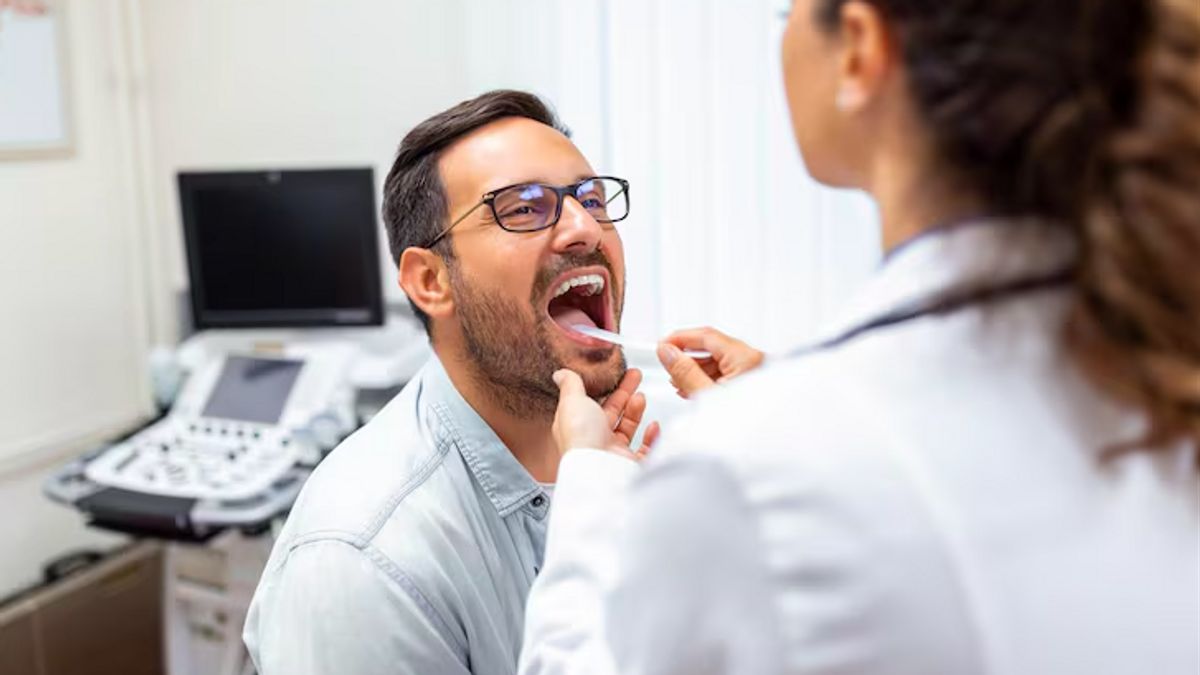


JAKARTA - Oral cancer often comes without clear symptoms in the early stages. Many people only realize it after a wound that does not heal, a lump, or a pain in the mouth and throat area. In fact, a number of daily habits can significantly increase the risk of this disease.
It is estimated that tens of thousands of cases of oral and oropharyngeal cancer are diagnosed each year in various countries. The good news is that most of the risk factors for oral cancer can actually be prevented through lifestyle changes.
"Oral cancer can go unnoticed because many people do not show symptoms in the early stages," said Jennifer L. Armendariz, RN, FNP-C, AOCNP, quoted from the Eating Well page.
He emphasized that early detection is very important because the chance of recovery increases if cancer is found before it spreads.
Here are four daily habits that can trigger mouth cancer and should be abandoned immediately.
1. Smoking and Chewing Tobacco
Smoking is the main cause of mouth cancer. The content of carcinogenic substances in cigarettes can damage cells in the mouth and throat, thus triggering the growth of abnormal cells.
"Smoking or chewing tobacco is the main cause of mouth cancer. The carcinogenic substances in it damage cells in the mouth and throat," said Brannon Blount, M.S., RDN, LDN.
Not only conventional cigarettes, chewing tobacco and other tobacco products also increase the risk of cancer. Research shows that smokers are many times more likely to get mouth cancer than people who don't smoke.
Quitting smoking has a big impact on health. The risk of oral cancer can significantly decrease in the years after a person stops using tobacco.
2. Excessive Alcohol Consumption
A glass of alcoholic beverage may seem ordinary, but regular consumption can increase the risk of oral cancer.
"Alcohol weakens the protective layer of the oral mucosa, allowing other carcinogenic substances to damage the tissue below," explained Armendariz.
The more alcohol consumed, the greater the risk. The danger increases drastically when the habit of drinking alcohol is accompanied by smoking. The combination of the two makes the oral tissues more vulnerable to exposure to cancer-causing substances.
3. Sex Without Protection
Not many people know that HPV (human papillomavirus) infection is also closely related to oral cancer, especially oropharyngeal cancer or the throat area.
"HPV is the main cause of oropharyngeal cancer, especially HPV types 16 and 18 which are associated with the development of oral cancer," said Armendariz.
This virus can be transmitted through oral sex. Because it often does not cause symptoms, many people are unaware that they have been infected. To prevent risks, HPV vaccination and the use of protective equipment such as condoms can be an important protective measure.
4. Rarely Check and Clean Teeth
Ignoring regular dental checkups can also be a risk factor that is often underestimated. In fact, dentists can detect early signs of oral cancer before symptoms are felt.
Regular teeth cleaning helps reduce gum inflammation and bacterial buildup that can create a supportive environment for cancer development.
"Dentists are often the first to notice changes in oral tissues in the early stages," said Armendariz.
Dental examination at least twice a year is recommended to maintain oral health as well as to help early detection of cancer.
How to Reduce the Risk of Oral CancerIn addition to leaving the above habits, there are some simple steps to help protect oral health:
- Stop smoking and avoid all tobacco products
- Limiting or avoiding alcohol
- Get HPV vaccine according to health worker recommendations
- Use lip balm with SPF to protect your lips from sun exposure
- Consume antioxidant-rich fruits and vegetables every day
- Routine dental and oral health check-up
Oral cancer can indeed be a serious disease, but many of its risks can be suppressed through changes in daily habits. The sooner preventive measures are taken, the greater the chance of maintaining oral health in the long term.
The English, Chinese, Japanese, Arabic, and French versions are automatically generated by the AI. So there may still be inaccuracies in translating, please always see Indonesian as our main language. (system supported by DigitalSiber.id)
Most Popular Tags
#Prabowo Subianto #donald trump #firearm #8791 #giias 2026Popular


