
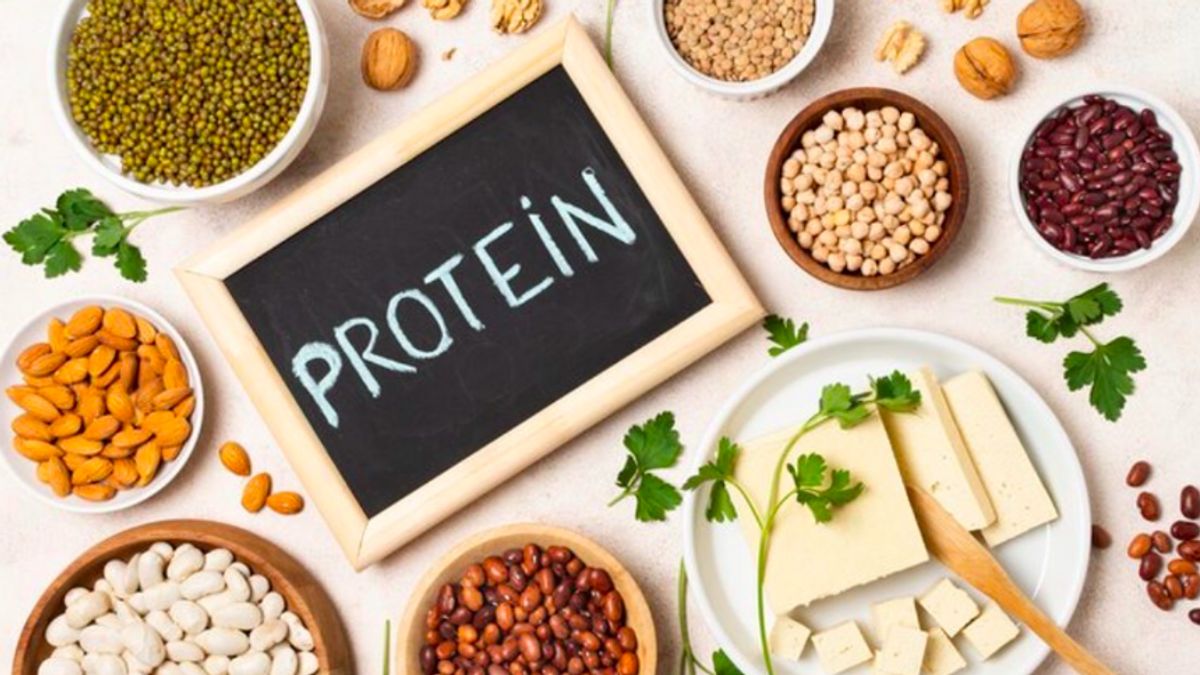


JAKARTA - Protein has an important role in maintaining muscle strength, body agility, and energy as you get older. The goal is no longer just to live longer, but to live more meaningful, energetic, and healthier.
Life after the age of 40 has now changed a lot. People in the present are much more active, more aware, and more concerned about health than previous generations at the same age.
Those in their 40s and 50s no longer feel 'dull', but are actively investing in their quality of life. The center of the investment is building a better new relationship with food.
As reported by the NDTVFood website, nutrition determines how healthy we age, and the 40s are a great time to deepen that understanding. A balanced diet is a must, but more than just balanced, the body now needs a deliberate focus on protein intake. Without enough protein, the body will gradually lose muscle mass, which directly affects strength, mobility, and overall body function.
Protein was once often associated only with athletes, bodybuilders, or children who were growing. In fact, protein is the main nutrient needed to maintain vitality at every stage of life. Now, awareness is growing: protein is beginning to be translated into a more meaningful eating habit, especially for those who are approaching the age of 40 and beyond.
Many diets still focus too much on carbohydrates (such as rice or cereal), where the goal is just to be full, not the function of nutrition. Although it provides energy, these foods often lack protein.
Based on medical recommendations, the recommended protein intake is 0.8 to 1.0 grams per kilogram of body weight, and the need will increase as they get older. Unfortunately, many urban people whose protein intake decreases drastically when they get older.
This deficiency occurs gradually and often appears in the form of reduced muscle mass, delayed wound/pain recovery, fatigue, and weakened immunity, and reduced independence in daily activities.
One of the most significant changes when getting older is the gradual loss of muscle mass and strength, a condition known as sarcopenia. If this is left unchecked, even simple activities such as climbing stairs or carrying groceries can feel very heavy.
In addition, the body also experiences anabolic resistance, in which the skeletal muscle becomes less efficient in using protein from food to build and repair tissues. That is why, a higher protein intake is essential to fight muscle atrophy and maintain the body's vital functions.
Aging well doesn't mean having to go on an extreme diet or an instant solution. It's about building consistent and sustainable habits. The good news is, you don't have to overhaul your entire kitchen. Small changes that are familiar to the tongue can have a big impact:
Swap Food: Replace regular flour with protein-rich options, or add tempeh, tofu, soy, or animal protein to the meal menu. Evaluate Breakfast and Dinner: Replacing high-carb breakfasts with options such as protein- and fiber-rich whole wheat (oat) is a small change with a tremendous impact. This step helps stabilize energy, control blood sugar spikes, and support muscle and heart health. Nutritional Supplements: You can use natural ingredients such as moringa leaf powder (moringa) that is easy to mix into the cooking to boost daily protein intake.A balanced dinner plate ideally contains high-quality protein, fiber, vitamins, and healthy fats. Aim for about 11% of daily calories from protein and consume about 30 grams of fiber per day.
After passing the age of 40, we must be wiser in choosing what goes into our mouths, including snacks. Snack time should be used as an opportunity to fill in the gaps in protein and fiber. What might be suitable to eat in your 30s, is not necessarily suitable now.
Choose snacks that are designed for this age, such as nuts, grains, or healthy snack products that are rich in protein. Currently, there are many snack options that are still delicious but have high nutritional value that are specifically formulated for ages 40 and over.
The English, Chinese, Japanese, Arabic, and French versions are automatically generated by the AI. So there may still be inaccuracies in translating, please always see Indonesian as our main language. (system supported by DigitalSiber.id)
Most Popular Tags
#Prabowo Subianto #donald trump #firearm #8791 #giias 2026Popular


