


JAKARTA - Anemia is one of the most common complications experienced by patients with chronic kidney disease (CKD). This condition occurs due to the decreased ability of the kidneys to produce the hormone erythropoietin which plays a role in the formation of red blood cells.
If not handled properly, anemia can worsen the patient's condition, lower quality of life, and increase the risk of other complications. Therefore, the availability of effective and easily accessible anemia therapy is an important part of the overall management of chronic kidney disease.
In Indonesia, efforts to expand access to therapy for CKD patients are still a concern for various parties, including medical personnel, professional organizations, and the health industry.
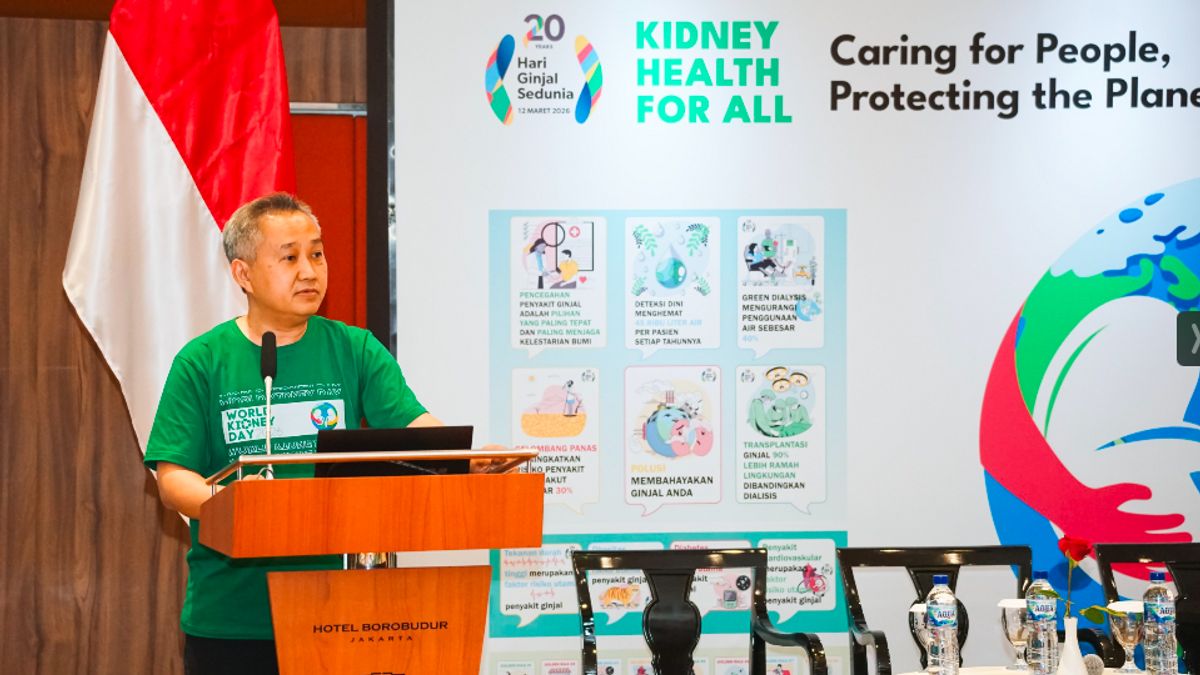
The momentum of World Kidney Day is often used to increase public awareness about the importance of early detection of kidney disease, prevention of disease progression, and comprehensive treatment for patients.
One of the therapies commonly used in the management of anemia in chronic kidney disease patients is erythropoietin (EPO) therapy, which is a hormone that stimulates red blood cell production in the bone marrow. This therapy plays a role in helping to maintain hemoglobin levels so that it can reduce symptoms of anemia such as fatigue, shortness of breath, and decreased stamina.
In Indonesia, EPO therapy has been used in health services in accordance with applicable medical guidelines. As the domestic pharmaceutical industry develops, a number of EPO products have also been produced locally to support the availability of therapy for patients.
Roy Priadi, Director of Renal & Cardio Business Unit PT Etana Biotechnologies Indonesia, said that chronic kidney disease not only affects kidney organ function, but also affects the overall health condition of patients.
"Chronic kidney disease not only impacts organ function, but also on the quality of life of patients. Therefore, ensuring access to the right therapy is very important. Through local production, we strive to provide quality and more accessible treatment for patients in Indonesia," said Roy.
Globally, chronic kidney disease is one of the health problems that continues to increase. It is estimated that about one in ten adults in the world has impaired kidney function. In Indonesia, the increase in cases is also related to the high prevalence of non-communicable diseases such as diabetes and hypertension which are the main risk factors for kidney damage.
This condition also has an impact on the national health financing system. Treatment of chronic kidney disease, including dialysis therapy, is one of the largest financing components in the National Health Insurance (JKN) program.
The General Chair of the Indonesian Nephrology Association (PERNEFRI), Dr. dr. Pringgodigdo Nugroho, Sp.PD-KGH, emphasized the importance of strengthening early detection to reduce the rate of progression of chronic kidney disease in Indonesia.
"Strengthening the early detection system is an important foundation in reducing the rate of progression of chronic kidney disease in Indonesia. Currently, many patients are still diagnosed at an advanced stage, so the opportunity to slow down kidney damage is limited," said Pringgodigdo.
He added that collaboration between various stakeholders is needed to improve the quality of kidney disease management in Indonesia.
"Through collaboration between various stakeholders and support for therapeutic innovation, the treatment of kidney disease is expected to be more integrated and able to improve the quality of life of patients," he said.
Meanwhile, Roy also emphasized the importance of cross-sectoral cooperation in expanding access to treatment for chronic kidney disease patients.
"We believe that collaboration is the key to expanding access to treatment. With the support of a strong health ecosystem, ranging from education, availability of therapy, to strengthening domestic production, we can together improve the quality of life of chronic kidney disease patients in Indonesia," he added.
On the other hand, kidney disease services in Indonesia still face a number of challenges. Many cases of chronic kidney disease are only diagnosed in the advanced stage so that their management becomes more complex and requires long-term therapy.
In addition, the inequality in access to health services in various regions and the large amount of health financing needs also affect the treatment of this disease.
Therefore, efforts to increase the availability of therapy, strengthen the early detection system, and encourage collaboration between the medical community, government, and the health industry are considered important to support more comprehensive treatment of chronic kidney disease in Indonesia.
The English, Chinese, Japanese, Arabic, and French versions are automatically generated by the AI. So there may still be inaccuracies in translating, please always see Indonesian as our main language. (system supported by DigitalSiber.id)
Most Popular Tags
#Prabowo Subianto #donald trump #firearm #8791 #giias 2026Popular


