
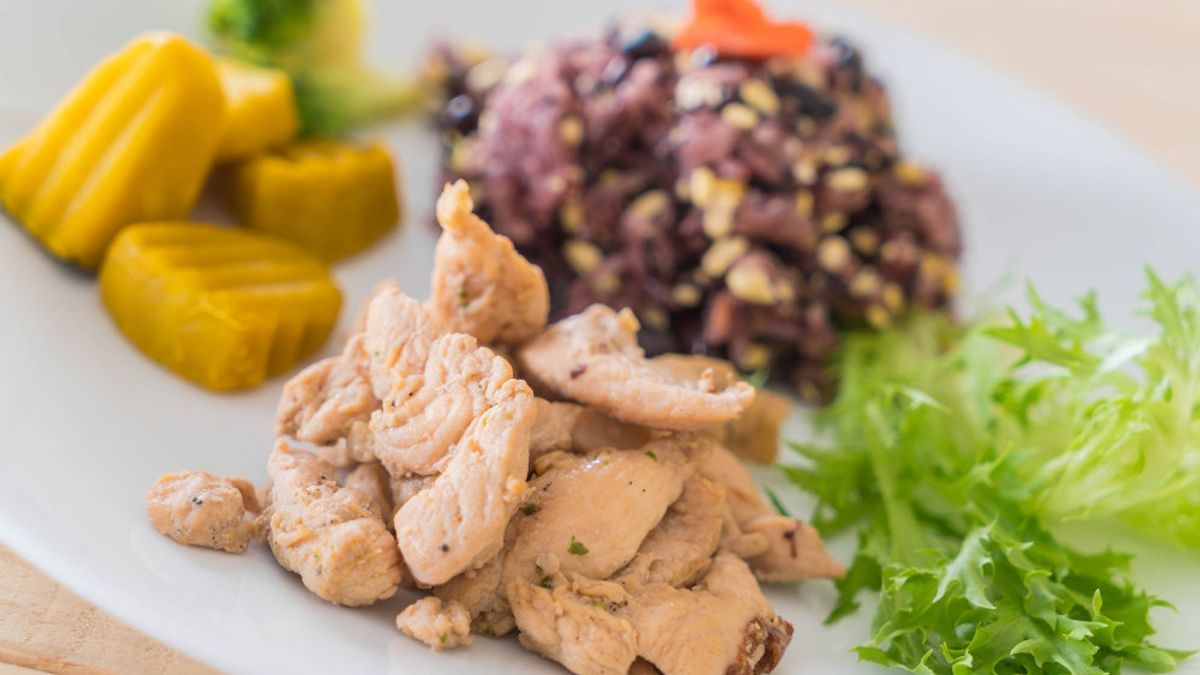


YOGYAKARTA - During the Ramadan fast, many people who practice it, increase protein consumption during sahur and iftar. Because protein is considered able to make you full longer and help maintain stamina throughout the day. Choices such as eggs, chicken, meat, fish, or milk are often dominant in the menu. Without realizing it, the excessive focus on this protein can make the intake of other nutrients, especially fiber, be neglected.
Does eating high-protein foods really cause constipation?Medically, protein is not the direct cause of constipation. Digestive problems usually arise because animal protein sources hardly contain fiber. When the fasting diet is dominated by high-protein foods but low in fiber, bowel movements can slow down. As a result, defecation becomes less frequent or feels more difficult during Ramadan.
The often overlooked role of fiber during fastingFiber plays an important role in keeping the stool texture soft and easy to remove. Unfortunately, during sahur and breaking the fast, the consumption of vegetables, fruits, and grains is often lost by the main food that is filling. If this condition continues, the intestines lack natural stimulation to work optimally. This is what makes constipation easier during fasting.
Lack of fluids exacerbates constipation
In addition to fiber, fluids are also a crucial factor in digestive health during Ramadan fasting. Limited drinking time makes many people fail to meet daily fluid needs. Citing Health, Tuesday, February 24, when the body lacks fluids, the intestines will absorb more water from the stool so that the texture becomes hard. The combination of low fluids and low fiber makes constipation more noticeable.
How to prevent constipation even though protein consumption is highYou can still consume high-protein foods during fasting without sacrificing digestive health. The key is to balance the sahur and iftar menus with fiber sources such as vegetables, fresh fruit, nuts, and seeds. Drinking water gradually from the time of iftar to sahur is also very helpful. Light physical activity, such as walking after iftar, can support the intestines to stay active.
In conclusion, high protein during Ramadan fasting does not directly trigger constipation, but a low-fiber and low-liquid diet is the trigger. With a more balanced planning of the sahur and iftar menus, you can still feel full, energetic, and comfortable in terms of digestion. Fasting feels lighter, the body is more friendly, and Ramadan can be carried out more optimally.
The English, Chinese, Japanese, Arabic, and French versions are automatically generated by the AI. So there may still be inaccuracies in translating, please always see Indonesian as our main language. (system supported by DigitalSiber.id)


