



YOGYAKARTA - Have you ever noticed how the skin of your hands or feet gets wrinkled after long bathing in a bathtub or pond? It turns out that it's not just a temporary effect. Research from Binghamton University shows that too long submerged in water can damage the basic structure of the skin. The results show that if the skin is in the water for up to about 12 hours, then the skin's ability to maintain moisture and elasticity can decrease significantly. This not only makes the skin look dull or stiff, but can also weaken the protective function of the skin or is called maseration.
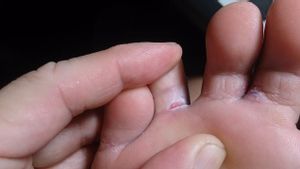
Maserasi is a condition in which the skin becomes too moist and begins to experience smoothing and changes in color due to moisture exposure for too long.cerated skin usually looks wrinkled, becomes very soft, even turns pale or white excess water. This process can occur not only because of long baths. It can also be experienced when wearing airtight bandages, rubber gloves, or skin conditions that continue to moist because of body fluids or sweat.
In many cases, maceration can disappear alone after the skin is left dry and exposed to open air. However, if it is too moist for a long time, the skin can lose its strength and become easily damaged.
Before discussing the risks in detail, it is important to understand that our skin is actually not designed to be 'submerged' or exposed to high humidity in the long term. The skin that continues to moisten will lose its natural balance of water and protective lipids, so that the skin's barrier function begins to be disrupted. Under these conditions, here are the risks that can arise if your skin is too often submerged or continues to moist.
Skin that continues to be exposed to water or excess moisture can lose structure strength so that it becomes so soft and fragile. Because the skin layer weakens, light pressure or friction alone can cause abrasions or scratched skin. Quoting Healthline, Wednesday, December 3, soft skin is also easily peeling or cracked, especially if the area often moves or gets heavy pressure.
Healthy skin works as a natural body protection for bacteria, fungi, irritants, and pollution. However, when experiencing maseration, the function of this skin barrier can be disrupted because moisture makes the skin structure weaken. Long submerged in water, making the skin lose such 'integrability' is no longer able to prevent the entry of microorganisms or irritation optimally.
In addition, excessive moisture for a long time tends to slow down skin cell regeneration and inhibit changes to the protective layer. As a result, the skin becomes prone to irritation, infection, and damage if exposed to the environment or friction. Conditions like this are especially high risk if there are open wounds or sensitive skin.
If moist or retailed skin has small wounds or abrasions, the healing process can be hampered. Because the skin is soft and too moist, the wound area is most likely to remain wet. This condition is not ideal for healing, because new skin cells are difficult to form properly in damping environments. Not to mention the risk of the formation of scar tissue or thickened skin can increase if the healing is not perfect.
Exacerbated skin loses its natural barrier strength so that bacteria and fungi can more easily penetrate. A moist environment is ideal for microorganisms to grow, especially if the skin is often moisturized or there are wounds. In severe cases, infections can develop further, cause inflammation, disinfection, or even comprehensive infection if the immune system is weak.
Prolonged moist skin often feels uncomfortable. The friction between wet skin and clothes or other objects can trigger irritation, abrasions, or small wounds. Even without a wound, the skin can feel uncomfortable when touched or pressed because the structure weakens.
SEE ALSO:
-
 | KESEHATAN
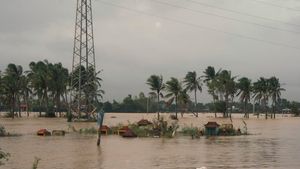
Banjir Bandang Sumatera Picu Ancaman Kesehatan, Ini 5 Penyakit yang Perlu Diwaspadai
03 Desember 2025, 02:25 -
 | INFO SEHAT
Termometer Kotor Bisa Sebarkan Penyakit, Ikuti 5 Cara Membersihkannya Sesuai Jenis
28 November 2025, 15:47 -
 | INFO SEHAT
Tak Perlu Risau! Begini Cara Menghilangkan Pegal di Kaki Yang Praktis
27 September 2025, 15:35
After finishing bathing, swimming, or activities involving water, immediately dry your skin with a soft towel. Don't rubbed roughly so as not to damage the skin layer. Make sure all parts of the skin, especially your hands and feet, are completely dry before you wear socks, gloves, or tight clothes.
If you are using a bandage, watertight gloves, or a scar shield, try to replace it regularly so as not to create a moist environment continuously. Avoid letting your minor wound stay wet for too long. Let the air help dry if possible. And if you see the skin starting to look soft, pale, or there are wounds that are difficult to heal, you should consult the medical staff so that it doesn't develop into serious infections.
Your skin is the body's first line of defense against the outside environment. If the skin is submerged in water for too long or exposed to prolonged moisture it can weaken the defense, make the skin soft, prone to damage, and easily infected. Risks ranging from mild irritation to serious infections can arise if not watched out for.
The English, Chinese, Japanese, Arabic, and French versions are automatically generated by the AI. So there may still be inaccuracies in translating, please always see Indonesian as our main language. (system supported by DigitalSiber.id)
Popular


