


YOGYAKARTA - Many wild plants around the house are often underestimated. Sometimes it is considered to only disturb gardens or weeds. However, who would have thought that some wild plants actually have great benefits as traditional medicine.
Quoting the book Wild Plants with medicinal efficacy (2016) whose issuance is supported by the Center for Research on Non-Evidence Forest Products Technology, dozens of weeds in Indonesia have been studied for their properties, complete with identity, chemical content, and how to use them. The following is a list of wild plants that serve as a reminder that Indonesia's biological wealth holds tremendous potential, even from plants that are often considered useless.
The line grows wildly on the side of the road or fields, also known as turbid. These wild plants bloom tiny and beautiful flowers. Alkalioid, saponin, atsiri oil, and bitter substances make them serve as anti-inflammatory, antiseptic, and heat reductions. In traditional medicine, aqueducts are often used to deal with fever, digestive disorders, and hemorrhoids. The method of using it can be boiled and drunk twice a day.
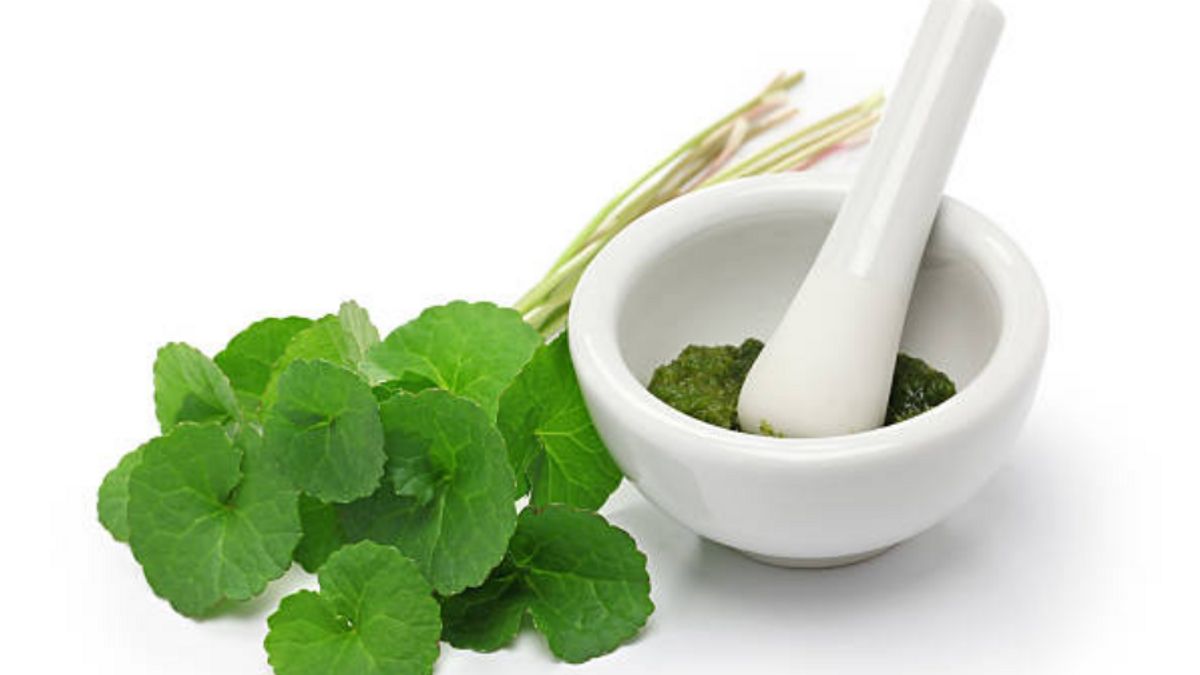
This plant, which is popularly known as Pegangan, is often found in humid areas such as rice fields and sewers. Pegagan contains asiaticoside, madecassoside, and Samak substances that are efficacious in accelerating wound healing, decreasing heat, and performing urinary defecation. The leaves can be eaten fresh, turned into lamb, or boiled as ingredients. In addition, Pegangan is also known to increase memory.
Gintings are easily recognized for their small and pointed leaf shape. This plant is efficacious as an anti-inflammatory, antibiotic, urine decay, and helps stop bleeding. The method of use can be taken from boiled or applied as an outside drug. Some people use it to treat coughs and boils.
Watering often grows wild in the yard and garden. The lignant content, flavonoids, and tannins make it famous as a natural immunomodulator. Traditionally, watering is used to increase endurance, reduce heat, and help overcome urinary tract infections. Watering leaf juice can be drunk as a daily ingredient.
This plant is often considered a regular grass in the yard, even though its properties are extraordinary. pearl grass contains ursolate acid and flavonoids with anticancer, anti-inflammatory, and anti-pirritistic effects. There is a lot of traditional use for fever, sore throat, and swelling of the glands. Usually treated by boiling and drinking water.
Ciplukan is a wild plant that grows a lot in fields, yards, or roadside. This plant is easily recognized from its small green to yellow fruit, wrapped in thin sandals in the shape of a lens. Many people consider the splash as a nuisance, whereas for a long time it has been used in traditional medicine.
Ciplukan contains various important compounds, such as alkaloids, flavonoids, saponins, polyphenols, and withanolides which are known to have biological effects. These compounds act as antioxidants, anti-inflammatorys, and antimicrobials. Because of this content, the cilucan is often included in modern herbal research.
In traditional medicine, centukan is used to reduce heat, deal with coughs, to relieve sore throat inflammation. The ripe fruit has a sweet taste and is believed to cool the body. The leaves and stems are often boiled to drink as blood sugar reduction ingredients, so they are often called helping people with diabetes.
Orders grow in damped places with small Islaminating leaves. The content of flavonoid compounds, terpenoids, and alkaloids makes them efficacious as anti-nyeri, anti-inflammatory, and artwater decays. Traditionally, it is used for remetritics, headaches, and stomach aches. Fresh leaves can be immediately eaten as lamb or boiled as a concoction.
SEE ALSO:
-
 | INFO SEHAT
Ajaib! Mengenal Efek Kunyit untuk Ginjal Beserta Manfaat dan Potensi Keuntungannya
21 September 2025, 13:15 -
 | INFO SEHAT
Penting Diketahui! Ini Ramuan Obat Luka Lambung yang Dapat Dikonsumsi
19 September 2025, 14:55 -
 | INFO SEHAT
Mudah Dibuat, Ini Pilihan Obat Herbal Sakit Tenggorokan yang Ampuh
18 September 2025, 06:55 -
 | INFO SEHAT
Alternatif Obat Tradisional Anak Demam Malam yang Mudah Ditemukan
03 September 2025, 07:55 -
 | INFO SEHAT
Mengenal Daun Patikan Kebo: Manfaat dan Khasiatnya untuk Kesehatan
08 September 2025, 11:25
Although often considered disruptive, weeds actually have extraordinary adaptation power. This durability makes it produce secondary chemical compounds such as flavonoids, alkaloids, and atsiri oils which are actually beneficial for health. Modern research then verified the benefits of these wild plants, so weeds are now starting to be seen as potential drug sources.
Although weeds have the potential as an herbal medicine, they require caution in their use. Identification of plants must be right so as not to get the wrong consumption. Pay attention to the dose and how it is used, whether it is drunk, pasted, or used outside. Also make sure the plant is clean from pesticides or pollution. If you want it to be safer, it is recommended to consult with herbalists or health workers.
The English, Chinese, Japanese, Arabic, and French versions are automatically generated by the AI. So there may still be inaccuracies in translating, please always see Indonesian as our main language. (system supported by DigitalSiber.id)


