


JAKARTA - For some people, coffee has become part of a daily routine that cannot be abandoned. However, if you are taking medication, it is better to pay more attention to coffee drinking activities.
Studies reveal that drinking coffee in the near future with taking drugs, especially antibiotics can reduce the effectiveness of drugs. Caffeine can interfere with the way bacteria absorb antibiotics, including cyprofluxasine.
This ultimately causes less doses of drugs that enter bacterial cells than they should.
"Caffeine triggers a series of events that eventually make bacteria more difficult to absorb antibiotics," said biology engineer Ana Rita Brochado, quoted by Science Alert, on Wednesday, September 10, 2025.
This effect has been tested in a laboratory, even though it is not certain how much impact it has on humans. However, these findings further emphasize the importance of paying attention to the time lag between taking drugs and consuming caffeinated drinks such as coffee.
Other studies have also suggested that drinking coffee close to taking antibiotics can cause caffeine side effects to increase. This makes the effects of coffee stimulants more intense and last longer.
Symptoms that may occur are anxiety or anxiety, headaches, palpitations, difficulty sleeping or insomnia, to high blood pressure.
SEE ALSO:
-
 | LIFESTYLE
Kopi Jadi Hambar karena Rokok, Studi Buktikan Indra Pengecap Tak Bekerja Optimal
10 September 2025, 17:25 -
 | LIFESTYLE
Budaya Kerja Sehat yang Bikin Karyawan Betah dan Semakin Produktif
28 Agustus 2025, 19:35
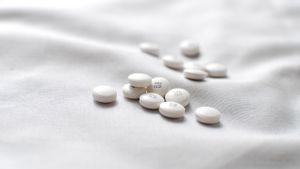

Therefore, it is recommended to provide a minimum distance of 1 to 2 hours between taking medication and consuming caffeinated drinks. This rule does not only apply to antibiotics, but also applies to other drugs, which can interact with caffeine or certain foods.
The English, Chinese, Japanese, Arabic, and French versions are automatically generated by the AI. So there may still be inaccuracies in translating, please always see Indonesian as our main language. (system supported by DigitalSiber.id)
Most Popular Tags
#Prabowo Subianto #donald trump #2026 World Cup #Febrie Adriansyah #8791Popular


