


JAKARTA - Congenital heart disease is an abnormality in the heart structure that has existed since birth. Although many cases have been detected since the age of children, some women only notice it when they grow up. It is dangerous, the symptoms are often vague, so they are considered trivial or thought to be common mild disease.
According to health experts, women with congenital heart disease have a higher risk of experiencing serious disorders, especially if they are not diagnosed from an early age. Therefore, it is important to understand the symptoms and risk factors.
Symptoms
Reporting from the Mayo Clinic page, congenital heart disease in women can show mild to severe symptoms. Some of the common signs that need to be watched out for include:
- Get tired quickly when doing light activities.
- Shortness of breath or breath.
- Heart palpitations or irregular heart rhythms.
- Swelling in the leg, ankle, or stomach due to fluid buildup.
- Often dizzy or faint suddenly.
- Bleeding on the lips or tips (sianosis), due to lack of oxygen in the blood.
Unfortunately, many women consider this symptom only due to lack of sleep, stress, or ordinary fatigue, so it is too late to get a medical examination.
Women tend to focus more on family health than themselves. In addition, symptoms of congenital heart disease often appear slowly and do not always feel severe. As a result, checking with doctors is often postponed until conditions get worse.
SEE ALSO:
-
 | INFO SEHAT
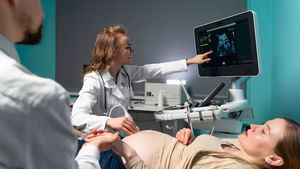
Deteksi Dini Kondisi Jantung Bayi Sejak Dalam Kandungan Bisa Selamatkan Hidupnya
21 Agustus 2025, 03:25


Risk Factors
Some conditions can increase the risk of complications in women with congenital heart disease, including:
- Pregnant women with congenital heart disease must receive strict supervision, because changes in the body when pregnant can burden the heart.
- Family history with congenital heart disease. High blood pressure, diabetes, or high cholesterol that worsens heart work.
- An unhealthy lifestyle, such as smoking, lack of exercise, and a high diet of fat.
The Importance Of Early Detection And Treatment
Cardiologists emphasize that early detection is key. Simple examinations such as electrocardiograms (EKG), ecocardiography, or chest X-rays can help determine heart conditions more quickly. Treatment of congenital heart disease can include:
- Medicines to control heart rhythm and blood pressure.
- Procedures for catheterization to correct certain abnormalities.
- Heart surgery if the disorder is severe enough.
- Rehabilitation of the heart to help recover and improve quality of life.
The English, Chinese, Japanese, Arabic, and French versions are automatically generated by the AI. So there may still be inaccuracies in translating, please always see Indonesian as our main language. (system supported by DigitalSiber.id)
Most Popular Tags
#Prabowo Subianto #donald trump #2026 World Cup #Febrie Adriansyah #8791Popular


