
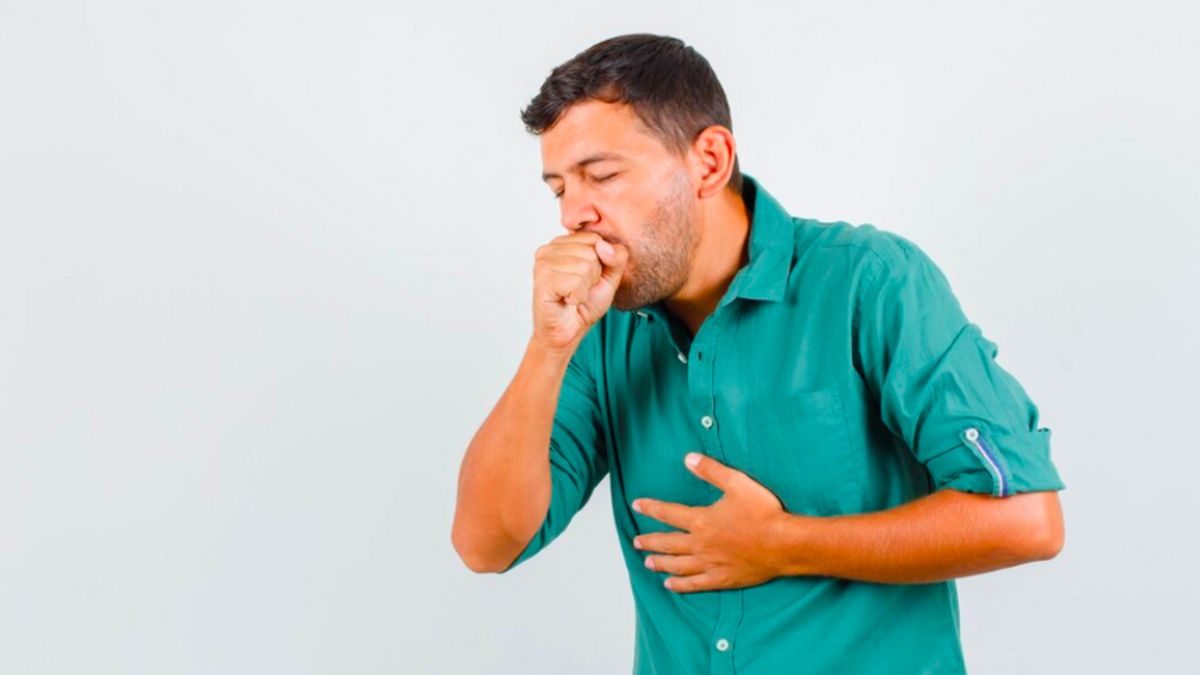


JAKARTA - Emphysema is a chronic lung condition that slowly damages small air bags in the lungs called alveoles. In good health, these alveoles are elastic, inflating as we breathe and helping to exhale.
But in emphysema, the walls of the alveoles are damaged. This makes it difficult for dirty air to come out and hinder the entry of fresh air that is rich in oxygen. As a result, sufferers often feel short of breath.
Symptoms
Reporting from the Mayo Clinic page, emphysemas often develop secretly for years without clear symptoms. But over time, symptoms will begin to be felt, usually gradually. The main symptoms you need to pay attention to include:
- Shortness of breath, especially when doing physical activity. This is the most common sign.
- Breathe when you exhale.
- cough frequently.
- Rasasesak or heavy on the chest.
- Feeling very tired for no apparent reason.
- As conditions worsen, there can be weight loss and ankle swelling.
Initially, you may avoid activities that trigger shortness of breath, so the symptoms don't feel too annoying. However, if left unchecked, emphysema can eventually make it difficult for you to breathe even while resting.
Emphysemas are often part of the Kronis Obstructive Lung Disease (PPOK). COPD also includes chronic bronchitis, namely inflammation of the main air channel into the lungs which causes excess mucus production and narrowing of the respiratory tract. Electronic emphysemas and bronchitis often occur simultaneously.
Cause
Emphysema is mostly caused by long-term exposure to irritation in the air. The most common cause is:
- Smoking. This is the main trigger for emphysema, both ordinary cigarettes, cigars, pipes, and marijuana.
- Chemical smoke, steam, and dust, especially in the work environment. Workers who are often exposed to these substances have a higher risk.
In very rare cases, emphysemas can be caused by genetic disorder that is passed down in the family. This disorder causes the body to lack proteinalpha-1-antitrypsin (AAT).
This AAT protein is tasked with protecting the lungs from damage caused by smoke, vapor, and dust. If the levels are low, the lungs can be more susceptible to damage, and emphysema symptoms can appear at a younger age.
SEE ALSO:
-
 | INFO SEHAT
Cegah Komplikasi Infeksi Pernapasan, Lansia Komorbid Perlu Vaksin RSV
10 Juli 2025, 13:25


Risk Factors
Lung damage to emphysemas is growing gradually, and symptoms often appear after the age of 40. Some factors that increase your risk of developing emphysema include:
- Smoking history. This is the biggest risk factor. The longer and the more you smoke, the higher the risk.
- Exposure to passive cigarette smoke. Inhaling cigarette smoke from others also increases the risk.
- Exposure to work. If your job involves breathing smoke or steam from certain chemicals, or dust from grains, cotton, wood, or mines, your risk increases. This risk will be much higher if you are also a smoker.
- Air pollution. Pollution from indoors (for example, smoke from heating fuel) and outdoor (such as smog or vehicle exhaust) also contributes to the risk of emphysema.
- Genetics. A rare AAT deficiency increases risk. Other genetic factors can also make some smokers more vulnerable to emphysema.
Preventing
Although lung damage due to emphysema cannot be restored, we can prevent it or slow down the worsening of its condition. How:
- Don't smoke. This is the most important preventive measure. If you smoke, talk to the doctor about options to quit.
- Avoid passive cigarette smoke. Decide to stay away from areas where other people smoke.
- Use a protector at work. If your job involves exposure to chemicals or dust, always use a special mask or other protective equipment to protect your lungs.
- Avoid air pollution. As much as possible, avoid exposure to air pollution, both indoors and outdoors
Recognizing the symptoms, causes, and risk factors of emphysema are essential for early detection and proper management.
If you experience unusual shortness of breath or worsen, don't hesitate to see yourself to a doctor. Keeping your lungs healthy is a long-term investment for the quality of your life.
The English, Chinese, Japanese, Arabic, and French versions are automatically generated by the AI. So there may still be inaccuracies in translating, please always see Indonesian as our main language. (system supported by DigitalSiber.id)


