


YOGYAKARTA How the human sense of hearing works is quite complex. Simply put, the sense of hearing begins with the emergence of sound waves that enter and are processed by the ears to be interpreted by the brain. However, the ear system is not that simple. This article will explain how the sense of hearing can work to increase knowledge of the health of hearing.
Human ears work according to sequence. The brain will process sound waves that enter the ears. Here's how the ears work until they can hear.
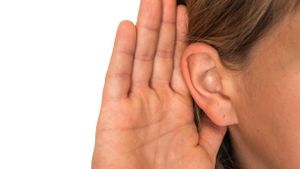
The process of hearing begins with the presence of sound waves carried by the air. Waves will be collected by earlides (pinna). The earloaf will detect a thin sound according to the ability of human hearing. It should be noted that the pinna includes the outer ear which includes the earloAD and eardrum.
Waves then move to a flexible oval membrane located at the end of the ear hole. This membrane is called eardrums or lead membranes.
Timpani membranes or eardrums are very sensitive. These organs are capable of replicating even very complex vibrational patterns of sound. When the eardrum vibrates due to sound waves, the hearing bones will react.
It should be noted that the hearing bone is very small in size. Humans have three hearing bones, namely maleus (martile), incus (landasan), and stapes (sanggurdi). The function of this bone is to strengthen sound vibrations. The sound vibrations are channeled by the three small bone chains to the inner ear, namely to koklea.
SEE ALSO:
-
 | INFO SEHAT
Dampak Sound Horeg untuk Kesehatan Telinga: Ketahui Sebelum Terlambat
18 Juli 2025, 09:55 -
 | INFO SEHAT
Jangan Sampai Terlambat, Gangguan Pendengaran Bisa Dideteksi Sejak Bayi
17 Juni 2025, 19:54 -
 | INFO SEHAT
Batuk dan Pilek Bisa Jadi Penyebab Gangguan Pendengaran pada Anak
24 Februari 2025, 12:25


Koklea is a turtle-shaped organ that is in the ear taken from the Greek meaningappropriation. The name is given because the koklea is circular like aterisk shell.
Koklea contains fluids that can react due to sound vibrations. This fluid will also move forward sound waves. When moving, as many as 25,000 nerves will begin to move.
It is the nerve in the inner ear that will convert the vibration into an electric impulse until it runs on the eighth nerve (hearsing cassation) to the brain.
Electric pulses resulting from sound waves will be continued to the center of hearing in the brain. From here the impulses are then changed to recognized sounds. The brain is also responsible for interpreting sound signals that have been captured. From the capture of sound signals to interpretations can occur in seconds. It is from this process that humans are able to hear.
The process of hearing humans occurs naturally and gradually since childhood. Hearing disorders can occur naturally and can be known from an early age with Brain Evoked Response Auditory (BERA). In order for disturbances to be anticipated, the public needs to know what the BERA test is.
That's information related to how human hearing sense works. Visit VOI.id to get other interesting information.
The English, Chinese, Japanese, Arabic, and French versions are automatically generated by the AI. So there may still be inaccuracies in translating, please always see Indonesian as our main language. (system supported by DigitalSiber.id)
Most Popular Tags
#Prabowo Subianto #donald trump #2026 World Cup #Febrie Adriansyah #8791Popular


