



JAKARTA - Japan is a country known for its high hopes of living and mental sharpness for its residents. Researchers found a simple method to sharpen brain performance to keep them focused solely on walking called the Japanese Interval Walking.
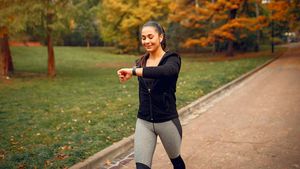
Reporting from the Times of India page, this method is a walking technique with certain rhythms, which combines leisurely walks and fast walks alternately for 30 minutes. Although it sounds simple, the impact on the brain turns out to be very significant.
This walking method was designed by Japanese scientists, and later it went viral again thanks to Dr. Daniel G. Amen. This method is not only burning calories, but also reviving the part of the brain responsible for memory, thoughts, and emotional balance.
This is not just a fitness trend, but the result of scientific research that has been carried out for years by health experts in Japan.
In contrast to the usual walking, Jopanese Interval Walking involves two speeds that are carried out alternately:
- 3 minutes of leisurely walking at normal speed
- 3 minutes of fast walking with a higher rhythm
This cycle was repeated five times to complete one session for 30 minutes. This technique was developed by Hiroaki Tanaka, a sports physiologist from Fukuoka University, who has spent more than a decade researching how the body responds to this alternating walking rhythm.
SEE ALSO:
-
 | INFO SEHAT
Alasan Jalan Kaki 15 Menit Setelah Makan Bisa Redakan Perut Kembung
10 Juni 2025, 12:25 -
 | INFO SEHAT
Alasan Jalan Kaki Lebih Baik Dari Lari untuk Kesehatan Jangka Panjang
28 April 2025, 19:55



What makes this method stand out is the interval design. The intensity is not too high that it burdens the body, but it is enough to stimulate the work of the heart, lungs, and most importantly the brain.
According to a number of studies, this method has proven to increase blood flow to the brain, especially in prefrontal cortex areas, parts of the brain that play a role in memory, decision-making, and concentration. In fact, the brain relies heavily on oxygen and movement.
Walking at constant speed is sometimes not enough to challenge the body or mind. Changes in rhythm in Janganese Interval Walking force the brain to stay alert during the transition, as is the case when we solve puzzles. This is like a small exercise, not only for legs, but also for nerve cells.
People who underwent this method for more than 4 weeks showed improvements in short-term memory and reaction time. This is based on findings from a trial group at Fukuoka University. The participants are not only regular pedestrians, but also the elderly with mild cognitive impairment who have succeeded in showing improvement in memory capacity.
The essence of this method is not to walk harder, but to be smarter. When the heart rate increases during the fast road phase, more oxygen and nutrients are pumped into the hippocampus, namely the brain memory center. Over time, this can strengthen neural connections, help the brain store and remember information better.
One of the surprising results of clinical studies in Japan is the positive effect on the participants' mood. Many report feeling more mentally and emotionally clear in just a few days running this method.
Most likely this happens because the rhythm between slow and fast roads helps regulate the stress hormone, especially cortisol. At the same time, this method also appears to stimulate dopamine and serotonin production, two chemical compounds that play a major role in regulating the mood and providing a sense of calm.
Emotional balance created also has an impact on sleep quality. A more relaxed nervous system helps the body prepare for deeper sleep, so the brain has time to strengthen memory during the night.
The English, Chinese, Japanese, Arabic, and French versions are automatically generated by the AI. So there may still be inaccuracies in translating, please always see Indonesian as our main language. (system supported by DigitalSiber.id)
Most Popular Tags
#Prabowo Subianto #donald trump #2026 World Cup #Febrie Adriansyah #8791Popular


