


JAKARTA - Heart disease is known as a "silent killer" for women. Although it is often associated with men, data shows heart disease is the number one cause of death for women around the world.
Unfortunately, the symptoms that appear in women tend to be different and more vague, so they are often not detected or misinterpreted.
Cardiologist Dr. Dimitry Yaranov, MD, highlighted the importance of education about women's heart health. In an interview quoted from the Hindustan Times, he shared eight crucial facts that must be understood so that women can protect themselves from the risk of heart disease.
1. Heart disease is not just a male problem
Although often associated with men, in fact heart disease is the main cause of death in women. The myth that women have a lower risk has made many women realize the dangers too late.
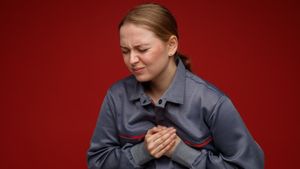
2. Symptoms of heart attack in women can be different
It is not always characterized by chest pain such as in men, women can experience finer symptoms such as nausea, extreme fatigue, dizziness, or shortness of breath. These symptoms are often misinterpreted as mild disorders, which can cause delays in handling.
3. Risk of death is higher after a heart attack
Women who have had a heart attack have a greater chance of dying in the first year after the incident. This is due to late diagnosis or less than optimal treatment.
4. Different plaque formation patterns in arteries
Plak that clogs heart blood vessels in women often spreads evenly and does not appear clear in standard tests. This makes diagnosis more difficult if you only use methods commonly used for men.
SEE ALSO:
-
 | INFO SEHAT
Kenali Gejala Serangan Jantung pada Wanita yang Berbeda dengan Pria
04 April 2025, 12:03




5. Mental health has a big impact
Emotional stress, anxiety, and depression contribute to the increased risk of heart disease in women. However, this psychological impact is often overlooked in the evaluation of heart health.
6. Menopaus period increases risk
The decrease in the hormone estrogen after menopause reduces the natural protection of female cardiovascular systems. As a result, high blood pressure and cholesterol levels become more difficult to control.
7. Women often do not receive comprehensive care
Women tend to receive more frequent medical rescue measures such as the installation of stents or CPR than men, even though they both need them.
8. Prevention remains the main key
A healthy lifestyle, regular control of blood pressure and cholesterol, and awareness of body signals can prevent heart disease. Periodic health checks and attention to mild symptoms can save lives.
The English, Chinese, Japanese, Arabic, and French versions are automatically generated by the AI. So there may still be inaccuracies in translating, please always see Indonesian as our main language. (system supported by DigitalSiber.id)
Most Popular Tags
#Prabowo Subianto #donald trump #2026 World Cup #Febrie Adriansyah #8791Popular


