



JAKARTA - Diabetes not only has an impact on blood sugar levels, but can also damage various organs of the body, including the eyes. The complications on the eyes are one of the serious impacts of this disease.
The long-lasting high level of glucose can disrupt small blood vessel systems in the retina, lenses, and eye nerves, which are in severe condition that can cause permanent blindness.
Therefore, understanding how diabetes affects eye health is important so that complications can be prevented from an early age. Here are some visual impairments that can occur due to diabetes:
Cataract is a condition when the lens becomes cloudy, such as covered in a white fog, so that the view becomes blurry and blurred. Although cataracts can be experienced by anyone with age, diabetics are at risk of experiencing it earlier. This is due to high blood sugar levels that change the protein structure in the lens. If not treated, the vision will continue to deteriorate.
One of the early symptoms that often appear in diabetics is blurred vision. This can be caused by lens swelling due to high blood sugar levels. This change in lens shape disrupts the focus of the eye and makes the view less sharp. Vision usually improves if glucose levels return to normal, but if left alone continuously, it could become permanent damage.
Diabetes can increase the risk of glaukuma, namely optical nerve damage due to excessive pressure in the eye. This pressure occurs because eye fluids cannot flow smoothly, especially if new blood vessels appear due to diabetes complications. Glaukuma often develops without early symptoms, but can cause gradual loss of sight.
SEE ALSO:



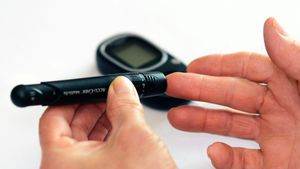

Diabetic retinopathy is one of the most serious eye complications. This condition occurs when small blood vessels in the retina are damaged due to high blood sugar levels for a long period of time.
In the advanced stage, retinopathy can cause bleeding, scar tissue, and removing the retina, which leads to permanent blindness if not treated immediately.
The problem of visual vision due to diabetes can also affect the chiral nerve that controls the movement of the ophthalms. When this nerve is disturbed, the patient can experience diplopia or double vision of which one object looks like two.
This condition can occur in one eye (monocular diplopia) or in both eyes (binocular diplopia), and is a sign of nerve damage caused by unstable blood sugar.
The English, Chinese, Japanese, Arabic, and French versions are automatically generated by the AI. So there may still be inaccuracies in translating, please always see Indonesian as our main language. (system supported by DigitalSiber.id)
Most Popular Tags
#Prabowo Subianto #donald trump #firearm #8791 #giias 2026Popular


