



JAKARTA - Many things can trigger allergic reactions. This reaction occurs when the body's defense system attacks something that is usually harmless, such as powder, animal hair, or food. This reaction can range from mild and annoying to sudden and life-threatening. In the United States alone, about 30 percent of adults and 40 percent of children have allergies.
Of course, allergies can be caused by many factors. Launching the WebMD page, Wednesday, March 5, here are ten factors that can relieve the emergence of allergies.
Silver powder comes from plants such as grass, trees, and weeds and can trigger cire fever or seasonal allergies. If exposed toterline powder, you will most likely have sneezing, runny nose or stuffy nose, itchy eyes, and runny water. Overcome this with products that are sold freely, prescription drugs, and allergic injections. To help prevent symptoms, stay indoors on windy days when the amount of powder is high, close the window, and turn on the air conditioner.
If you are allergic to animal hair it means you react to proteins in their saliva or skin oil glands. It takes two years before you actually have an allergy.
Fortunately, you may still be able to live with them. Make the bedroom a pet-free zone, choose a plain floor and playner that can be washed instead of a carpet. Then shower them regularly. HEPA filters and allergic injections can help reduce symptoms.
These small insects live in beds, mattresses, coating fabrics, carpets, and curtains. They eat dead skin cells from humans and pets, as well as powders, bacteria, and fungi. They breed in high humidity. To reduce problems, use hypoallergenic pillows, cover mattresses, pillows, and box springs, and wash bed sheets once a week with hot water. Keep the house free of items that can collect dust such as animal dolls, carpets, and carpets.
This can cause swelling and redness that can last for a week or more. You may feel nausea and fatigue as well as mild fever. In rare cases, insect bites trigger life-threatening reactions, called anaphylaxis. If you have severe allergies, you will need a drug called epinephrine immediately. Your doctor may recommend an allergic injection to prevent reactions.
Flowers need moisture to grow. You can find them in humid places such as basements or bathrooms, as well as in grass or molasses. Because inhaling fungal spora can trigger allergic reactions, avoid activities that can trigger symptoms, such as sweeping leaves. Let the air flow in the damp area in your home.
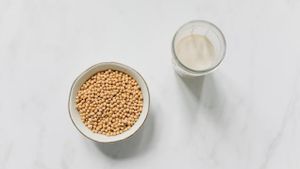
Milk, shells, eggs, and nuts are among the most common foods that cause allergies. Other foods include wheat, soybeans, and fish. Within minutes of eating something that makes you allergic, you can experience difficulty breathing and experiencing itching, vomiting, diarrhea, and swelling around your mouth. If your reaction is severe, you will need emergency medical assistance.
SEE ALSO:
-
 | INFO SEHAT
10 Tanaman Hias Pemicu Alergi, Kenali Sebelum Memilih untuk Dekorasi Rumah
03 Januari 2025, 12:25



There are some disposable gloves, condoms, and medical equipment, latex can trigger reactions ranging from itching and red skin to anaphylaxis accompanied by difficulty breathing. Symptoms can include rash or itching, eye irritation, runny nose or itching, sneezing, and fanging.
Penirilin, airing, and other medicines can cause itching, itchy eyes, nasal congestion, and swelling in the face, mouth, and throat. If you are allergic to a drug, you should not take it. Doctors can tell you about drug or other treatment options that allow you to take medication if needed.
Protein in the dirt can be a trigger. Kecoak can be difficult to remove, especially in warm climate areas. Expel these one insects with insect killer, and keep the kitchen clean. Repair cracks and holes on the floor, walls, and windows so they don't enter your house.
The English, Chinese, Japanese, Arabic, and French versions are automatically generated by the AI. So there may still be inaccuracies in translating, please always see Indonesian as our main language. (system supported by DigitalSiber.id)


