
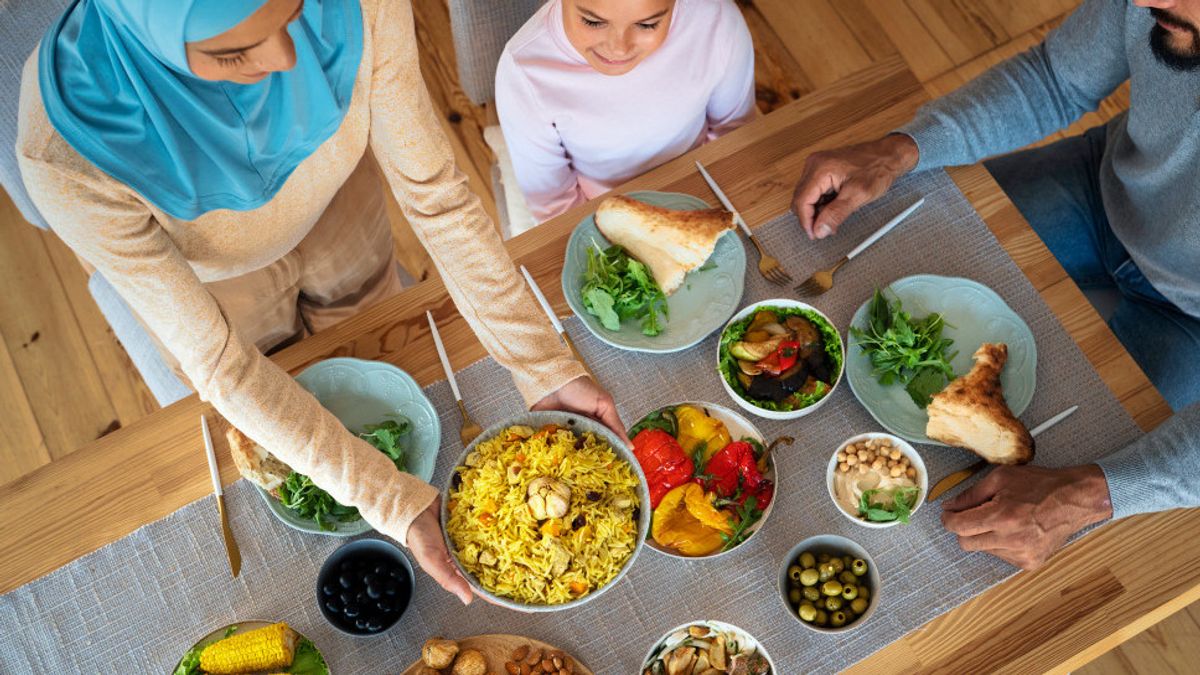


YOGYAKARTA - The menu consumed during sahur greatly affects the endurance of the body during fasting. That is why it is very important to choose the right food for sahur, one of which is vegetables. Keep in mind that there are several vegetables that need to be avoided when suhoor.
Not all vegetable foods are suitable for consumption during sahur. Some types of vegetables can actually cause digestive disorders or accelerate hunger. Although rich vegetables are fibered and nutrient, some can actually cause digestive disorders, bloating, and dehydration.
Therefore, it is important to know what vegetables should be avoided when suhoor so that fasting runs smoothly.
Here are some types of vegetables that you should not consume or limit when suhoor:
Kubis and cauliflower include vegetables that are high in fiber and rich in nutrients. However, these two vegetables also contain gas that is quite high. Consumption of it when suhoor can cause stomach bloating, discomfort, and even digestive disorders such as stomach pain.
This effect can certainly interfere with activities during fasting. Especially for those who have digestive problems such as ulcers or bowel irritation syndrome (IBS).
Although broccoli is a very healthy vegetable, its high fiber content can make the digestive system work harder. When fasting, the stomach needs food that is easy to digest so as not to cause disturbances.
Brokoli can also trigger excess gas production in the intestines. Consumption of broccoli when suhoor can cause the stomach to feel uncomfortable and full which can interfere with the comfort of fasting.
Terong contains solanin, which is a compound that can cause digestive disorders in several people. Consumption of terong when suhoor can trigger stomach acid to rise, especially for people with ulcers.
In addition, terongs have natural diuretic properties that can increase the frequency of urinating. This can risk causing the body to lose fluids more quickly while fasting.
Spinach is rich in iron and other important nutrients, but also contains oxalic acid which can interfere with the absorption of calcium and iron in the body. In addition, spinach has a diuretic effect that can increase urine production.
Consumption of spinach when suhoor can cause the body to lose fluids faster. This condition can certainly increase the risk of dehydration while fasting.
Lobak and papaya leaves have a strong enough taste and can cause digestive disorders for some people. Lobak contains compounds that can increase gas production in the stomach.
While papaya leaves have bitter properties that can stimulate the production of stomach acid. If consumed during sahur, both can cause discomfort in the stomach and worsen symptoms of stomach acid.
Tomatoes do contain high vitamin C, but their acidic properties can increase the production of stomach acid. For those who have a history of ulcers or digestive disorders, eating tomatoes when suhoor can worsen conditions.
Eating these two vegetables can cause discomfort in the stomach for owners of a history of ulcers or digestive problems. Therefore, it is better to avoid large amounts of tomatoes at dawn.
SEE ALSO:
-
 | LIFESTYLE
7 Makanan Khas Bengkulu yang Terkenal Unik dan Lezat, Wajib Coba!
16 Februari 2025, 21:45 -
 | LIFESTYLE
Alternatif Fast Food, Restoran Ayam Goreng Ini Angkat Nilai Kemuanusiaan dalam Bisnis
16 Februari 2025, 20:15


Those are some vegetables that need to be avoided during sahur so that fasting can run more comfortably and smoothly. Choose vegetables that are easier to digest and do not cause disturbing side effects, such as carrots, labs, and cucumbers. Also read a practical menu when you wake up late sahur.
Stay up to date with the latest domestic and other overseas news on VOI. We present the latest and updated information nationally and internationally.
The English, Chinese, Japanese, Arabic, and French versions are automatically generated by the AI. So there may still be inaccuracies in translating, please always see Indonesian as our main language. (system supported by DigitalSiber.id)


