



JAKARTA - Microplastics have a serious impact on human health. These small particles can enter the body through contaminated food, water, and air.
Because of its very small size, especially those less than 100 nanometers in size, microplastics have the potential to reach various organs in the body, cause inflammation, hormonal system disorders, fertility disorders, and weaken the immune system.
Clinical nutrition specialist from the University of Indonesia, Dr. dr. Luciana B. Sutanto, MS, SpGK(K), explained that microplastics is a synthetic compound measuring less than 5 mm which is difficult to decompose in the environment. When entering the human body, microplastics is at risk of having a negative effect on health.
SEE ALSO:
-
 | LIFESTYLE
Apa Itu Mikroplastik? Ini Pengertian, Tipe, Bahaya, dan Cara Menanggulaginya
20 Oktober 2022, 11:52
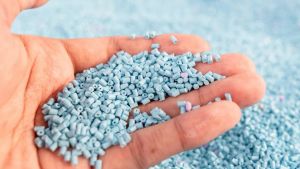

"Microplastics that enter the body can cause inflammation and have an impact on endocrine and immune systems. Some studies also indicate potential risks to fertility and overall health," Luciana said when contacted in Jakarta.
However, he added that not all plastics swallowed can be decomposed by stomach acid and digestive enzymes, so it is likely not completely absorbed by the digestive tract. However, further research is still needed to understand the long-term impact of microplastics on the human body.
Luciana also highlighted the importance of monitoring microplastic exposure in everyday life. The development of methods to detect the presence and distribution of microplastics in the environment is an important step in prevention efforts.
"In addition, further evaluation is needed regarding the level of microplastic exposure that can have an impact on human health," he added.
The English, Chinese, Japanese, Arabic, and French versions are automatically generated by the AI. So there may still be inaccuracies in translating, please always see Indonesian as our main language. (system supported by DigitalSiber.id)
Most Popular Tags
#Prabowo Subianto #donald trump #2026 World Cup #Febrie Adriansyah #8791Popular


