
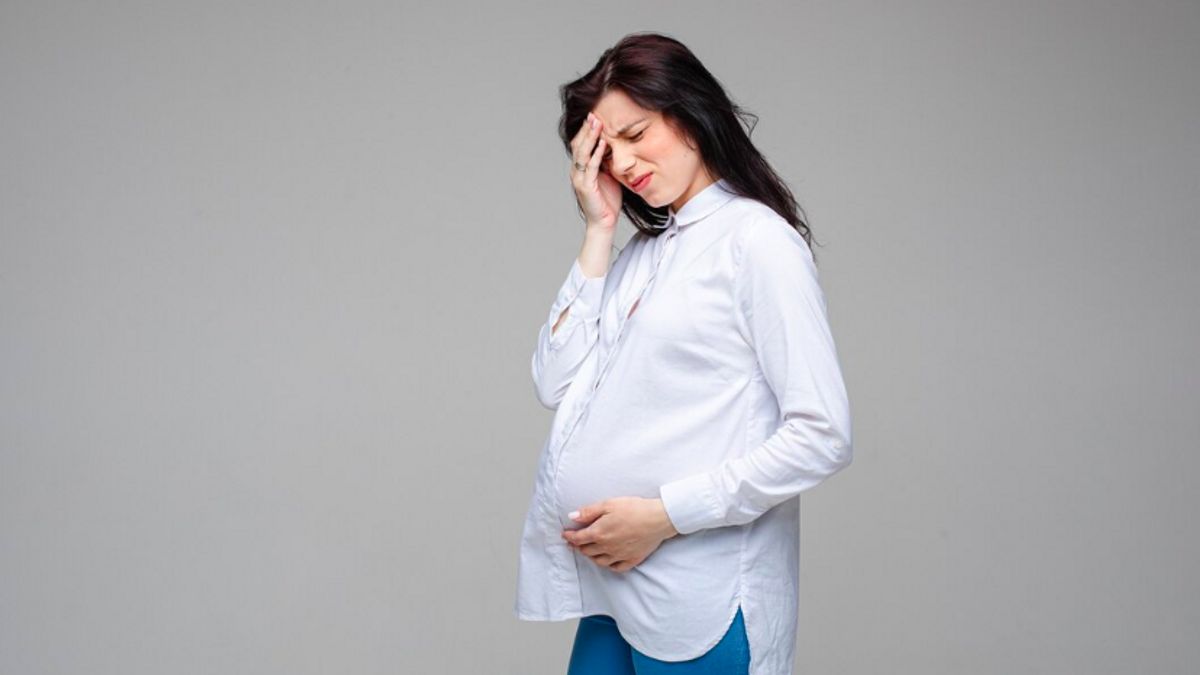


JAKARTA - Anemia is one of the significant health problems in Indonesia. Pregnant women and children up to the age of 5 are the age group with the highest iron deficiency anemia. Data shows that 3 out of 10 (28%) pregnant women in Indonesia have anemia.
Apart from pregnant women, about 1 in 4 Indonesian children under 5 years of age also experience anemia. The high prevalence of anemia is due to eating patterns that lack daily iron intake. Moreover, the data shows that 1 in 3 Indonesian children do not consume iron-rich foods.
In addition, other studies conducted on more than 400 pregnant women and breastfeeding mothers showed that the average consumption of iron intake was only 44% and 63% of the recommended Nutrition Needs Rate (AKG).
Therefore, it is important to be a serious concern, the condition of anemia both in the mother and in the child can be at risk of causing stunting which can inhibit brain development and optimal growth and development of children, so that it can threaten the realization of the 2045 Golden Generation.
If not anticipated from an early age, anemia in adolescents can continue to be anemia in pregnant women, which risks causing various serious complications. According to Ade Jubaedah, the impact of anemia on pregnant women and adolescents greatly contributes to the increased risk of complications during pregnancy.
This was revealed by Dr. Ade Jubaedah, S.Keb, Bdn, MM, MKM, General Chairperson of the Central Board of the Indonesian Midwives Association (PP IBI) at the 'Cegah Anemia Midwives Action, Prevention Screening and Education Movement, Iron Defficiency Anemia'.
"The impact of anemia on pregnant women, teenagers, of course, contributes greatly to the readiness of whether there are complications that occur in pregnant women," Dr. Ade Jubaedah, when met at the Nanggewer Mekar Village Office, Cibinong, Bogor, West Java on Friday, February 14.
Anemia can cause various health problems, such as fetal development disorders, low birth baby weight (BBLR), prematureity, and infant mortality in the womb. In addition, anemia also increases the risk of bleeding during childbirth, which has the potential to threaten the mother's life.
"It does not rule out the possibility of infant mortality in the womb, there are even complications in pregnant women, mothers give birth. So there is bleeding and giving birth in conditions of BBLR, the baby's heavy condition is born low and premature," said Ade Jubaedah.
SEE ALSO:
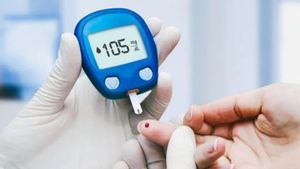
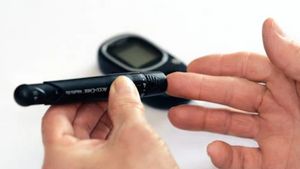


The Indonesian Midwives Association (IBI) is committed to supporting efforts to reduce maternal mortality, infant mortality, and stunting. One concrete step taken is the integration of anemia screening in the service of daily midwives. Through the "Civil Action Movement," IBI seeks to increase awareness and education regarding the importance of preventing anemia in iron deficiency for mothers and children.
One of the main initiatives in this effort is the "Cegah Anemia," program in collaboration with e-Nutri. This program prioritizes screening of anemia and education about the importance of iron consumption as an early preventive measure before the emergence of more serious symptoms.
"As we all know, iron plays an important role in supporting the health of mothers and children. For pregnant women and breastfeeding mothers, iron is very important because of an increase in blood volume during pregnancy for the formation of placentas, fetuses and iron reserves in breast milk," said Ade Jubaedah.
"Even in children, iron is one of the important micronutrients for the growth and development process. Because sufficient iron can support increasing children's memory, focus and intelligence," he continued.
Unfortunately, the lack of iron intake in the diet of pregnant women, breastfeeding mothers, and children is still the main factor in the high number of cases of anemia in Indonesia. This condition can have an impact on the growth and development of children, even increasing the risk of stunting if not treated immediately.
"We see that the lack of daily iron intake in the diet of pregnant women, breastfeeding mothers and children is one of the main factors that are still high cases of anemia in Indonesia," said Ade Jubaedah.
To ensure the adequacy of iron, concrete steps are needed such as educating the public about the importance of intake of iron-rich foods and introducing tools such as the Iron Calculator in the e-Nutri application. This feature is expected to help pregnant women, breastfeeding mothers, and health workers monitor the iron intake needed to prevent iron deficiency anemia.
With these various initiatives, IBI hopes to increase public awareness of the importance of preventing anemia from an early age. Joint efforts from health workers, pregnant women, and the wider community are needed to create a healthier generation and be free from the risk of anemia and its bad effects.
The English, Chinese, Japanese, Arabic, and French versions are automatically generated by the AI. So there may still be inaccuracies in translating, please always see Indonesian as our main language. (system supported by DigitalSiber.id)
Most Popular Tags
#Prabowo Subianto #donald trump #firearm #8791 #giias 2026Popular


