
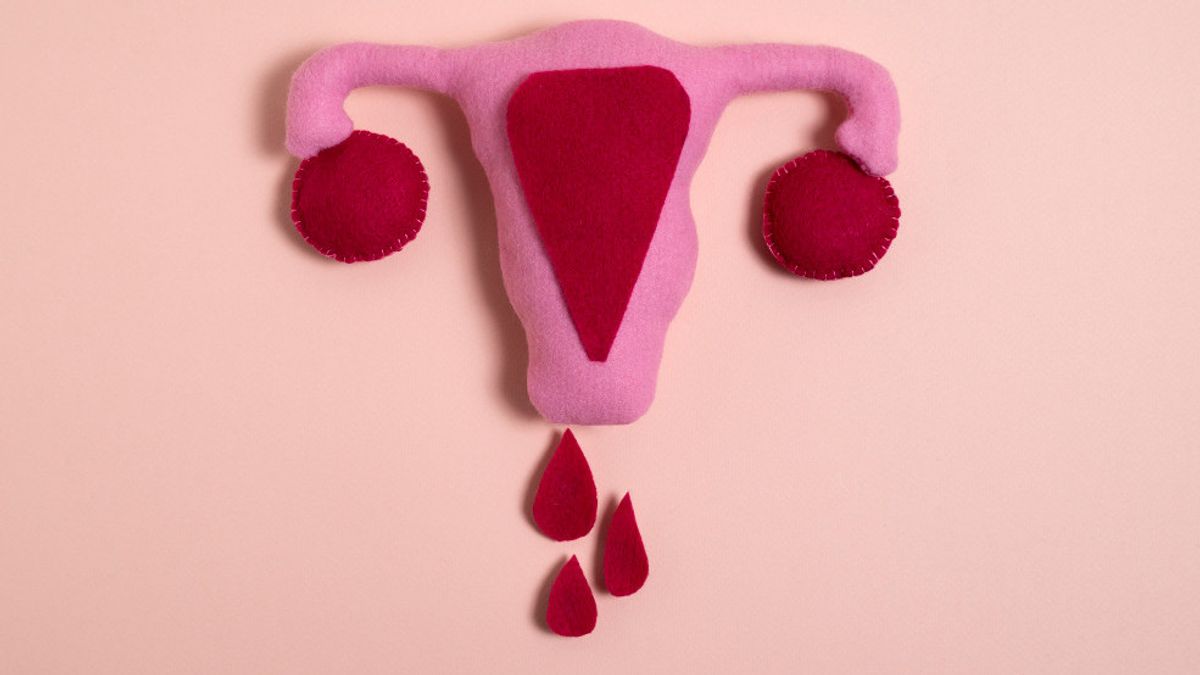


YOGYAKARTA - Bleeding due to thickening of the uterine wall or known in medical terms as endometrium hyperplasia. This problem often occurs in women who are approaching the menopause period, but can also occur at a reproductive age. So how to stop bleeding due to thickening of the uterine wall.
This condition occurs because the inner layer of the uterus (endometrium) becomes thicker than usual. This thickening is often caused by hormonal imbalance, especially the excess hormone estrogen without being offset by the hormone progesteron.
This can cause menstrual bleeding to be severe, irregular, or even bleeding outside the menstrual cycle. If not treated, this condition can develop into more serious complications, including the risk of endometrium cancer. So how to stop bleeding due to thickening of the uterine wall?
Here are some steps that can be taken when bleeding due to thickening of the uterine wall:
The first and most important step is to consult an obstetrician. Doctors will conduct physical examinations, transvagnal ultrasound, or endometric biopsy to determine the cause of bleeding. Proper diagnosis is essential to determine the appropriate treatment method.
Hormonic imbalance is often the main cause of thickening the uterine wall. Therefore, doctors may prescribe hormone therapy, such as:
If bleeding is very heavy and does not respond to hormonal treatment, doctors may recommend a coup procedure. This procedure involves removing endometrium layers to stop bleeding and prevent further complications.
To relieve bleeding in the short term, doctors can prescribe drugs such as transexamic acid or NSAID (for example, ibuprofen). This drug helps reduce blood flow and control pain.
Lifestyle factors also play an important role in preventing and reducing bleeding due to thickening of the uterine wall. Some steps that can be taken include:
In cases of endometric hyperplasia that do not respond to treatment or if there is a high risk of developing into cancer, doctors can recommend hysterectomy, namely the removal of the uterus. This procedure is usually the last option after all other efforts are unsuccessful.
It is important to undergo routine checks, especially if you have endometric hyperplasia risk factors. Regular monitoring can help prevent heavy bleeding and detect abnormal changes in the uterine layer from an early age.
SEE ALSO:
-
 | LIFESTYLE
Tidak Sengaja Merusak Barang Hotel, Ini Hal yang Harus Dilakukan
09 Februari 2025, 14:12 -
 | INFO SEHAT
7 Makanan untuk Orang Diare yang Aman Dikonsumsi agar Cepat Pulih
11 November 2024, 21:25



Those are some ways to stop bleeding due to thickening of the uterine wall. Proper and fast handling is very important to prevent this condition from ending up in serious complications. Also read the IUD sign shifted from the uterus.
Stay up to date with the latest domestic and other overseas news on VOI. We present the latest and updated information nationally and internationally.
The English, Chinese, Japanese, Arabic, and French versions are automatically generated by the AI. So there may still be inaccuracies in translating, please always see Indonesian as our main language. (system supported by DigitalSiber.id)


