
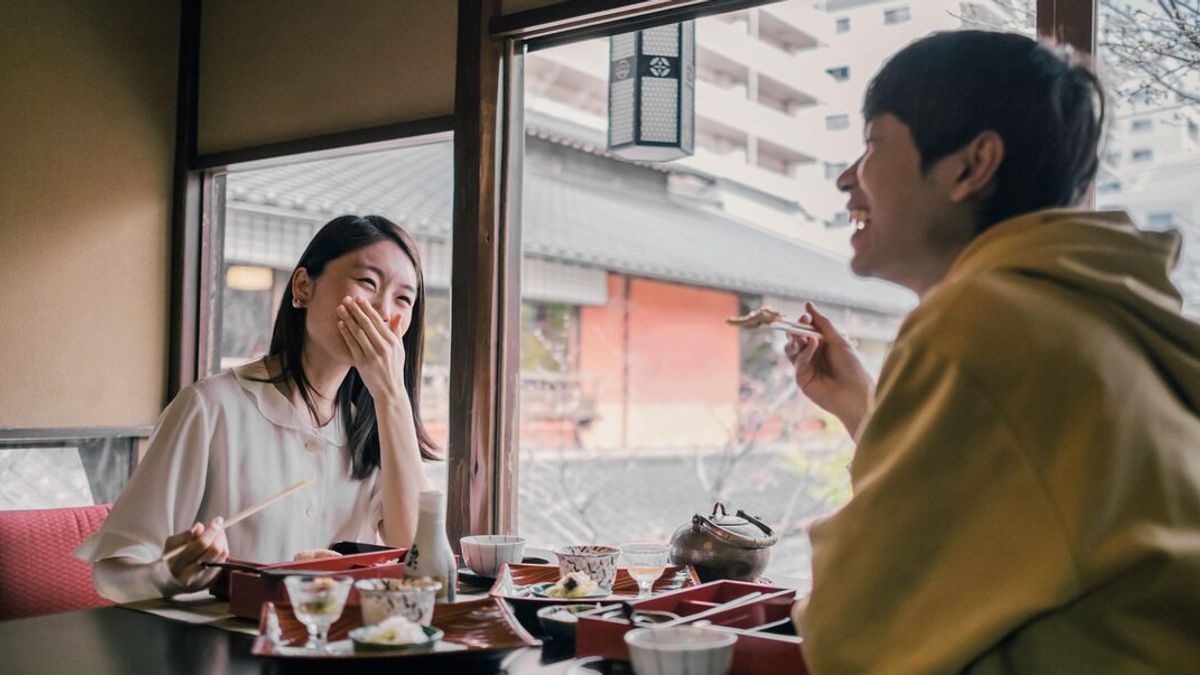


JAKARTA - Japan is known as a country with a very low level of obesity, even though people eat rice every day. So, what's the secret?
Japanese people who believe in Hara Hachi Bu's philosophy, namely the concept of eating up to 80 percent full. Since childhood, many of us were taught to always eat food on plates. However, according to experts, leaving a small portion of food can actually provide health benefits.
"This concept teaches every generation in Japan that the size of the portion of food should be small," said Asako Miyashita, RDN, a nutritionist in Japan, quoted by VOI from the Women's Health page on Thursday, February 6.
literally, 'hara hachi bu' means 'full 80 percent mouth' or eating up to 80 percent full. Although this idea emerged more than 300 years ago, this term is still often used in Japan today.
Miyashita said this philosophy is believed to help overcome digestive problems and encourage a healthier mindset. And it seems that rahara hachi ma'am is indeed effective. Many elderly people say 'hara hachi ma' ma'am' before eating as a kind of prayer as well as a reminder to stop eating before being too full.
Kouka Webb nutritionist RD says rahara hachi bu encourages a person to pay more attention to food, which can increase their enjoyment while eating. Focusing on taste, texture, and aroma, one can get more satisfaction from their food.
Webb says the hachi ma'am is not a strict diet, but a lifestyle that drives a more balanced diet. This approach helps control portion and eat more consciously, without having to count calories strictly or avoid certain food groups.
Hara hachi ma'am can help distinguish between physical hunger and eating due to emotion. This approach can also reduce stress and improve overall well-being.
In addition, eating up to 80 percent full is associated with a lower risk of chronic diseases such as cancer, stroke, and heart disease. Japanese residents who follow the hachi ma'am, have a much lower disease rate than other regions in Japan
1. Create A Quiet Eating Environment
Choose a comfortable and distraction-free place to eat, and avoid watching TV or using gadgets while eating.
2. Train Awareness in Assessing Hungry Taste
Start eating non-templed vegetables such as broccoli, carrots, or spinach. Eat more than 15 times before buying it to help the body recognize fullness.
3. Stop Eating When Reaching 80 Percent Of Kenyang
The body takes about 15-20 minutes to signal fullness to the brain, so watch me slowly. If you still feel hungry after eating, wait 15-20 minutes before taking additional food.
SEE ALSO:
-
 | MUSIK
Yura Yunita Perkenalkan Lagu Baru di Konser Bingah, Punya Makna Mendalam
03 Februari 2025, 18:15 -
 | INFO SEHAT
Orang Tua Lebih Sayang Anak Sulung atau Bungsu? Penelitian Ungkap Faktanya
22 Januari 2025, 13:55 -
 | LIFESTYLE
Indonesia Nomor 2, Ini Daftar 17 Negara dengan Konsumsi Mi Instan Terbanyak di Dunia
01 Januari 2025, 17:50 -
 | INFO SEHAT
7 Makanan untuk Orang Diare yang Aman Dikonsumsi agar Cepat Pulih
11 November 2024, 21:25

4. Keep the Food Notes
Recording foods consumed, levels of fullness, and feelings after eating can help you understand your diet and raise awareness of your own body.
The English, Chinese, Japanese, Arabic, and French versions are automatically generated by the AI. So there may still be inaccuracies in translating, please always see Indonesian as our main language. (system supported by DigitalSiber.id)


