
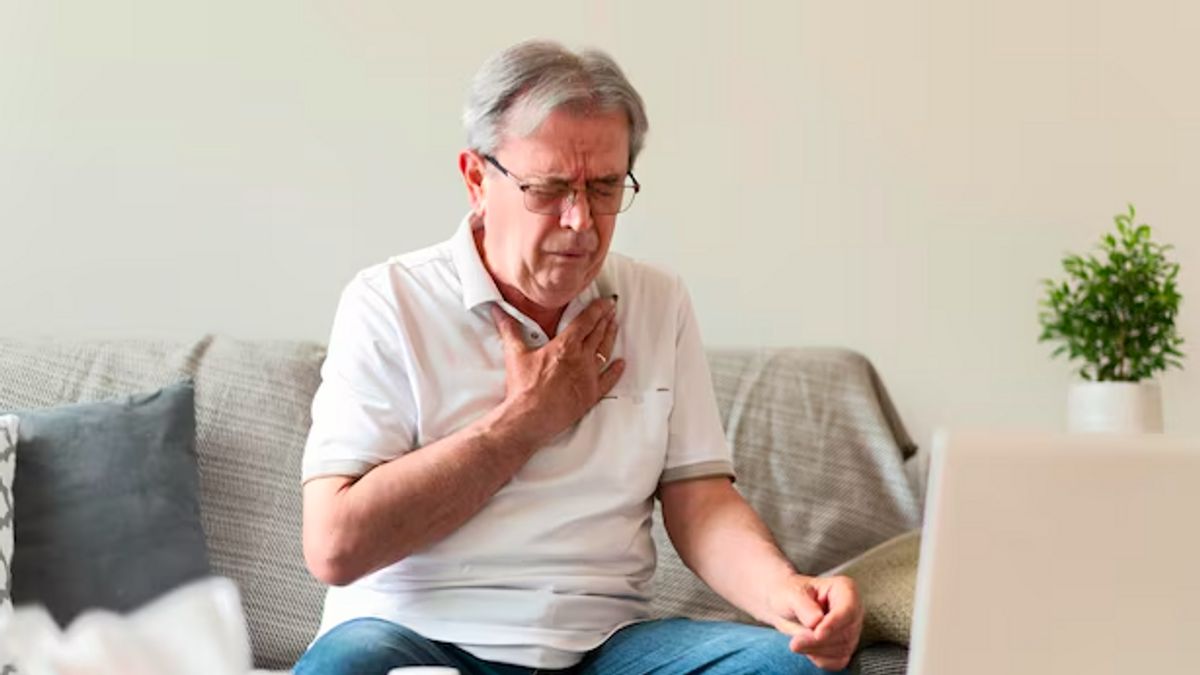


JAKARTA - Pneumonia is an infection in the lungs that can cause serious respiratory problems if not treated properly. This disease can be caused by various types of microorganisms, such as bacteria, viruses, and fungi.
Pneumonia becomes more risky for individuals with weak immune system, such as children, the elderly, and people with chronic diseases. Therefore, maintaining body fitness and adequate rest is an important step to prevent pneumonia.
Professor of the Faculty of Medicine, University of Indonesia (FKUI) Department of Pulmonology and Respirational Medicine (DPKR) Prof. Dr. Faisal Yunus, Ph.D., Sp.P(K) explained that pneumonia infection can become more severe if a person does not maintain physical fitness and lacks rest while undergoing activities.
"For example, if a person is too tired, lacks sleep, or does not get enough rest, the risk of pneumonia will be higher," he said as quoted by ANTARA.
He added that pneumonia, as happened during the COVID-19 pandemic, can attack individuals who are in a lack of fitness due to lack of rest or fatigue.
Pneumonia can also become more severe in people with comorbidities or uncontrolled comorbidities, so that infections can become more aggressive.
In addition, these respiratory tract infections also pose a higher risk to individuals with low immune system, such as people with HIV, diabetes, and other chronic diseases.
The doctor at Persahabatan Hospital explained that the spread of pneumonia in the community-acquired pneumonia (CAP) is generally lighter and can be treated with outpatient treatment.
SEE ALSO:
-
 | INFO SEHAT
6 Makanan yang Tidak Boleh Dikonsumsi Bersamaan dengan Minum Kopi
18 Desember 2024, 13:47




However, if the virus that spreads has a high level of ferocity, such as COVID-19, then individuals with a weak immune system are more susceptible to severe infection.
If a person experiences symptoms of cough, shortness of breath, and decreases consciousness, further medical treatment is needed for a thorough examination.
"The important thing is that we do anamnesis, for example asking whether the cough has peaked, and paying attention to the color of the phlegm. If the phlegm is yellow or green, usually this indicates bacterial infection. Meanwhile, viral infections generally do not cause color change in the phlegm," he explained.
He also emphasized the importance of being aware of heavier pneumonia, such as what happens in hospitals, where various diseases gather. People who undergo treatment with breathing apparatus or ventilator in the ICU also have a higher risk of pneumonia.
Faisal again reminded the public to increase awareness of health, especially for those who have comorbidities. Controlling existing diseases, maintaining a healthy diet, and resting enough can help strengthen endurance.
"Because pneumonia is transmitted by air, we should avoid close contact with people who are coughing or flu. If the body is not fit, it is better to use a mask while traveling to prevent infection. If you have a prolonged cough, get a doctor immediately," concluded Prof. Faisal.
The English, Chinese, Japanese, Arabic, and French versions are automatically generated by the AI. So there may still be inaccuracies in translating, please always see Indonesian as our main language. (system supported by DigitalSiber.id)
Most Popular Tags
#Prabowo Subianto #donald trump #Febrie Adriansyah #8791 #giias 2026Popular


