
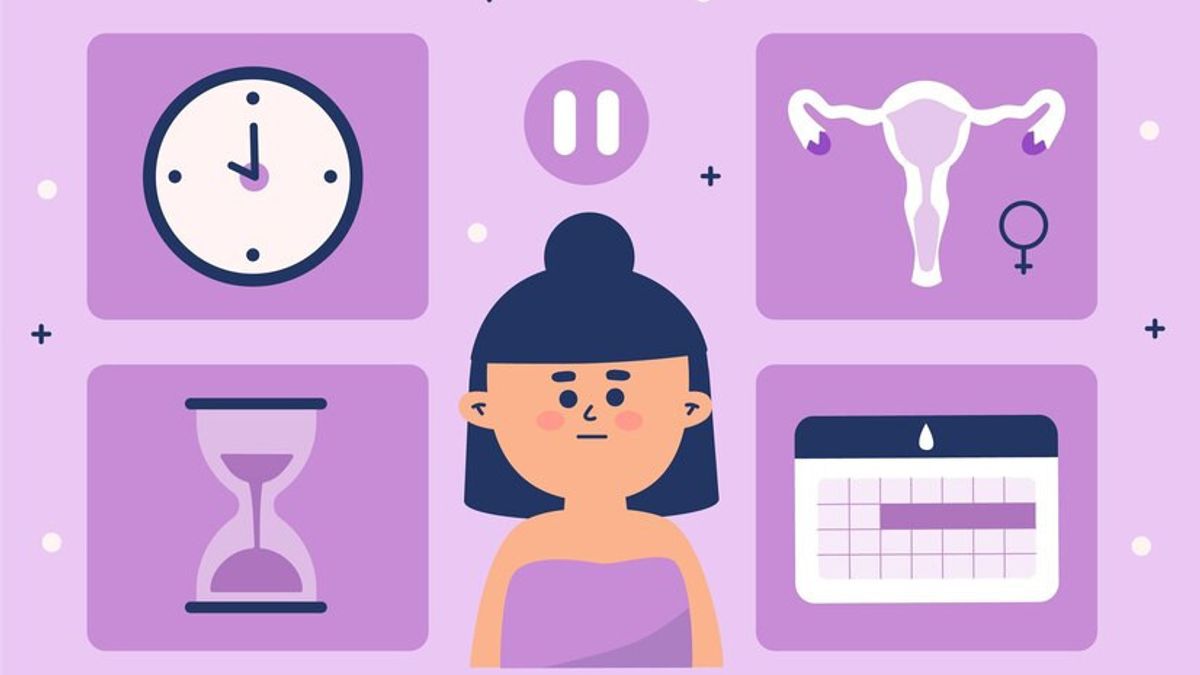


Menopaus is a natural phase of women's life, which is marked by the end of the menstrual cycle. However, behind this physiological change, there are various symptoms that arise. So, what do women who have menopause feel?
Starting from light to quite disturbing, menopause can have an impact on quality of life. This article will overview what women feel when entering the menopause period.
Reporting from the Women's Health page, there are several signs that women will experience menopause, as follows.
These symptoms are also called heat waves which are the most common symptoms of menopause, and as many as three out of four women have experienced this. Some women even began to experience hot flashes before menopause, when they were still menstruating.
Hot flashes are a sudden feeling of heat on the top of your body. Your face and neck may turn red. Then there will be red spots that may appear on your chest, back, and arms.
In addition, you may also experience excessive sweat during hot flashes or cold after hot flashes. However, some women experience more cold (also called cold flashes) than hot flashes.
Hot flashes most often occur in women the year before their period stops, and in the year after their period stops. However, recent studies show that hot flashes can continue for up to 14 years after menopause.
Also read articles that discuss the Causes of Rude Feet tumit, Symptoms, and Treatment carried out
So far researchers don't know why hot flashes are so common during menopause. The good news is, there are drugs that can prevent symptoms of hot flashes, and there are several ways you can try to deal with hot flashes when they occur.
vaginal problems, such as vaginal dryness, can either start or worse at times around the menopause. Low estrogen hormone levels can cause your vaginal tissue to become drier and thinner.
These symptoms can cause itching, burning, and pain or discomfort. It can also cause sexual intercourse to hurt and cause minor injuries and tear in the vagina during sexual intercourse.
Ceremony or vaginal tear increases the risk of you contracting sexually transmitted infections (IMS).
Your menstrual cycle may come more often or more rarely. The duration may be longer or shorter and can be lighter or heavier.
However, several times late menstruation does not necessarily mean you are in permenopaus or a transition period to menopause.
Many women in permenopaus and menopause find it difficult to sleep all night. Low levels of progesteron can make it difficult to sleep and stay asleep.
Low estrogen levels can also cause hot flashes that make you sweat while sleeping. This is sometimes called night sweat.
In addition, many menopaus women experience symptoms of a urinary tract that makes them wake up several times during their sleep to urinate. You may also feel more tired than usual during the day.
When you step on the menopause, you may become forgetful or have difficulty concentrating. As many as two-thirds of women who experience periominause say they have problems with memory or difficulty concentrating.
However, menopause hormone therapy does not treat or prevent memory loss or brain disease, including dementia and Alzheimer's disease.
SEE ALSO:
-
 | LIFESTYLE
Dipenuhi Aura Mistis, Harry Halim Tampilkan Karya Tajam dan Berani Lewat Tajuk Redemtion
04 November 2024, 20:55 -
 | LIFESTYLE
Permudah Wisatawan, Penerbangan Perdana Wakatobi-Makassar Dibuka, Ini Kata Kemenparekraf
04 November 2024, 10:55



In addition to what is felt by women who are already menopause, follow other interesting articles too. Want to know other interesting information? Don't miss it, keep an eye on the updated news from VOI and follow all the social media accounts!
The English, Chinese, Japanese, Arabic, and French versions are automatically generated by the AI. So there may still be inaccuracies in translating, please always see Indonesian as our main language. (system supported by DigitalSiber.id)


