

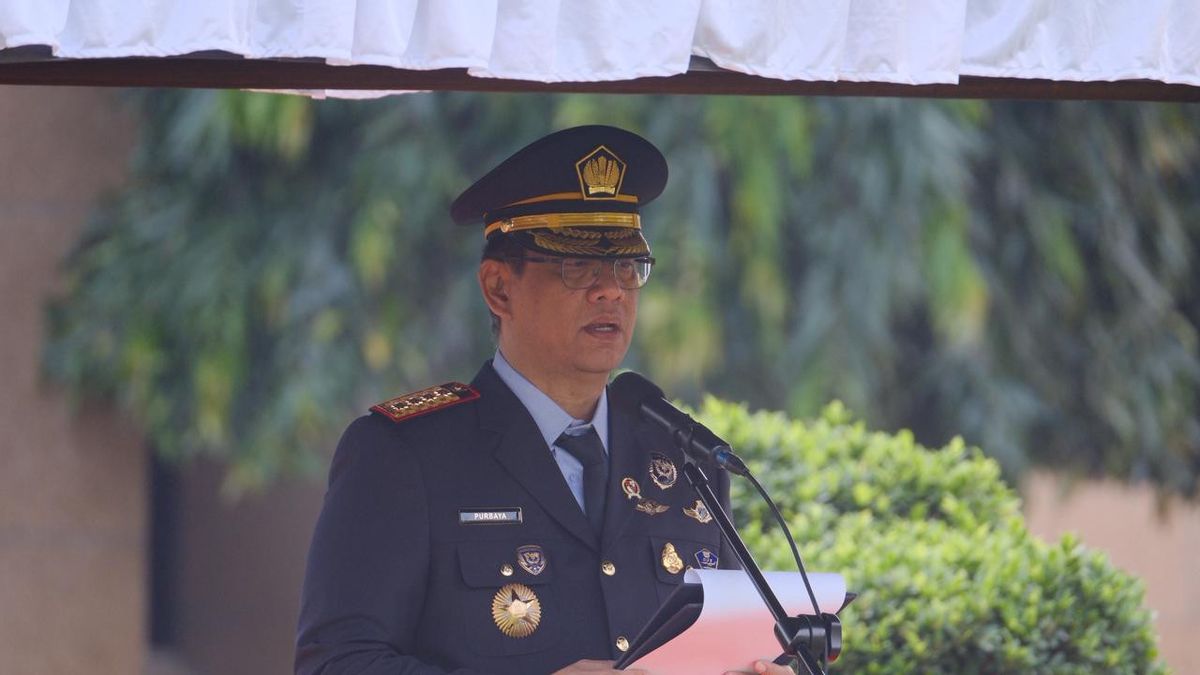


JAKARTA - Minister of Finance Purbaya Yudhi Sadives is reviewing the possibility of expanding the list of Excise Goods (BKC) on a number of consumer products including disposable diapers (diapers), disposable eating and drinking utensils, and wet wipes.
The study is stated in the Minister of Finance Regulation (PMK) Number 70 of 2025 concerning the Strategic Plan of the Ministry of Finance 2025 2029. This step is taken to assess the potential for additional state revenue if these goods are subject to excise.
"Excavation of potential state revenues through efforts to expand the tax base, customs and excise, as well as mapping the potential of PNBP has been carried out through the preparation of a study of BKC potential in the form of diapers and disposable food and drinking utensils, as well as an extensification study of wet tissue excise," wrote the contents of the PMK, quoted on Tuesday, November 11.
In addition to these commodities, in the 2020-2024 period, the government has also conducted studies on a number of other products, including luxury goods, packaged sweetened drinks, and plastic products such as plastic bags, multilayer packaging, styrofoam, and plastic straws.
Studies also include the potential for excise duty on processed food products with high sodium content, motorcycles, coal, sea sand, and excise tariff policies for tobacco and alcoholic beverages.
SEE ALSO:
-
 | EKONOMI
Sepatu Kets RI Pernah Terkontaminasi Cs-137, Jauh Sebelum Heboh Kasus Udang
10 November 2025, 21:55 -
 | EKONOMI
Hanya Tindak Pakaian Impor Bekas, Kementerian UMKM Masih Bolehkan Thrifting Lokal
07 November 2025, 16:05 -
 | EKONOMI
Menperin Tegaskan Tak Akan Kompromi terhadap Segala Bentuk Kecurangan Aktivitas Ekspor
07 November 2025, 06:03
From these various studies, only some will be followed up as concrete policies in the 2025'2029 Ministry of Finance's Strategic Plan. The document has even included indications of funding needs to support its implementation.
One of the programs that received funding support was the recommendation for the excise policy of motor vehicle emissions in 2025 with a budget value of Rp. 880 million. In addition, there is a fiscal policy study related to excise on processed food products with sodium worth Rp. 640 million which is scheduled for 2026.
"Indications of the need for funding are prepared while still considering the evaluation of the implementation of the previous period of budget, the need for funding in the year regarding flexible funding source policies, and the availability of fiscal space," he explained.
The English, Chinese, Japanese, Arabic, and French versions are automatically generated by the AI. So there may still be inaccuracies in translating, please always see Indonesian as our main language. (system supported by DigitalSiber.id)
Most Popular Tags
#Prabowo Subianto #donald trump #Febrie Adriansyah #8791 #giias 2026Popular


