

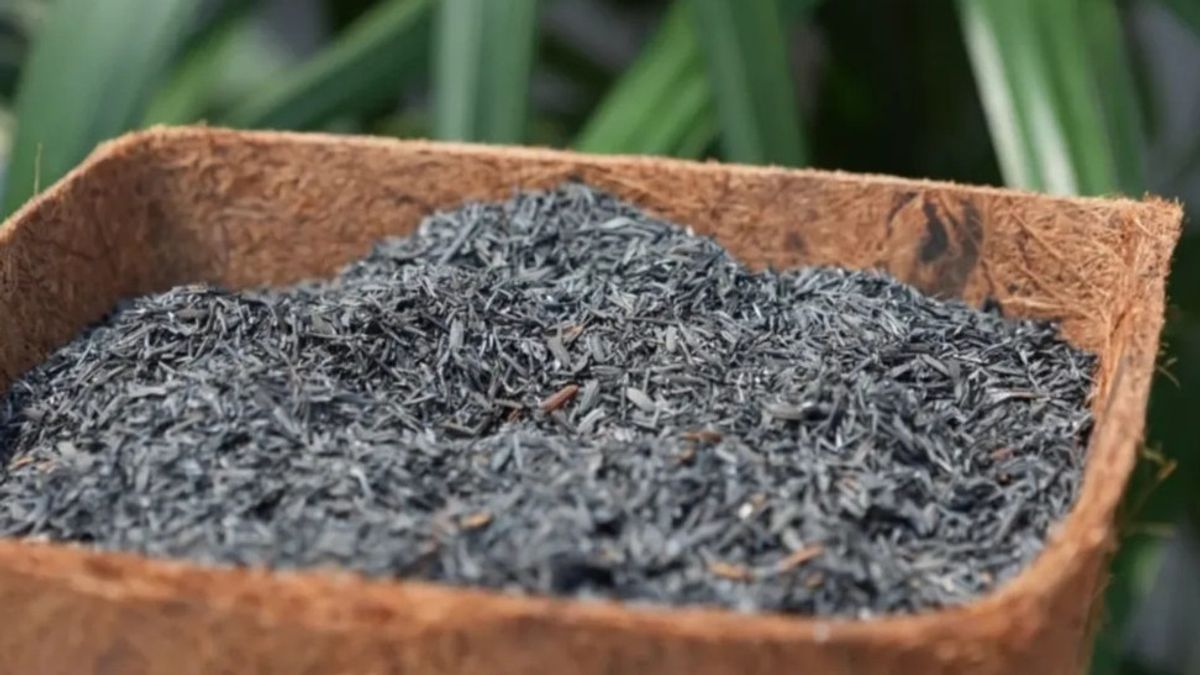


JAKARTA - The Indonesian Quarantine Agency (Barantin) through the West Java Animal, Fish and Plant Quarantine Center (Karantina Jabar) certified 8.9 tons of burnt husks and 950 pcs of Palmware (Rhapis excelsa) ornamental plants belonging to PT Minaqu Indonesia which were exported to the Netherlands, Wednesday, April 30.
Barantin Sahat head M. Panggabean said, from the Barantin certification data, the export of the burnt husks was the first time it had been done.
Sahat said the export of the husks would provide benefits to the Indonesian economy. Considering that burnt husks are usually used for planting media, organic fertilizers, mulsa, water absorption media, kitchen utensil cleaners, sometimes even only into garbage. But now, husks can be exported to Europe.
"This attracts the product, usually only for household needs, washing or even throwing it into waste. However, this provides economic value, it can even create new jobs," said Very as quoted from the upload on the official Instagram account @barantin_ri, Saturday, May 3.
According to Sahat, West Java Quarantine officers have confirmed that the exported ornamental plant and burnt husk commodities have met the requirements of the export destination country's phytosanitary by examining documents and physical ones.
SEE ALSO:

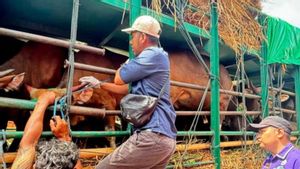
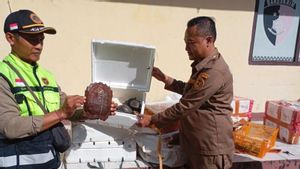
In the future, Barantin is committed to always supporting in order to fulfill her phytosanitary requirements. This is to support the exportable husk products.
"Quarantine is ready to support in order to fulfill its phytosanitary requirements," he said.
For information, husks are rice waste (rice skin) produced from used grain milling. There are two types of husks, namely raw husks and burning husks. Burned husks are raw husks that are burned first until half of them are burned or completely.
The English, Chinese, Japanese, Arabic, and French versions are automatically generated by the AI. So there may still be inaccuracies in translating, please always see Indonesian as our main language. (system supported by DigitalSiber.id)
Most Popular Tags
#Prabowo Subianto #donald trump #Febrie Adriansyah #8791 #giias 2026Popular


