



JAKARTA - The high price of plastic, which is the result of the conflict in the Middle East, has begun to have an impact on the selling price of various types of domestic retail products.
Starting from household appliances, packaged food and beverages to electronic products.
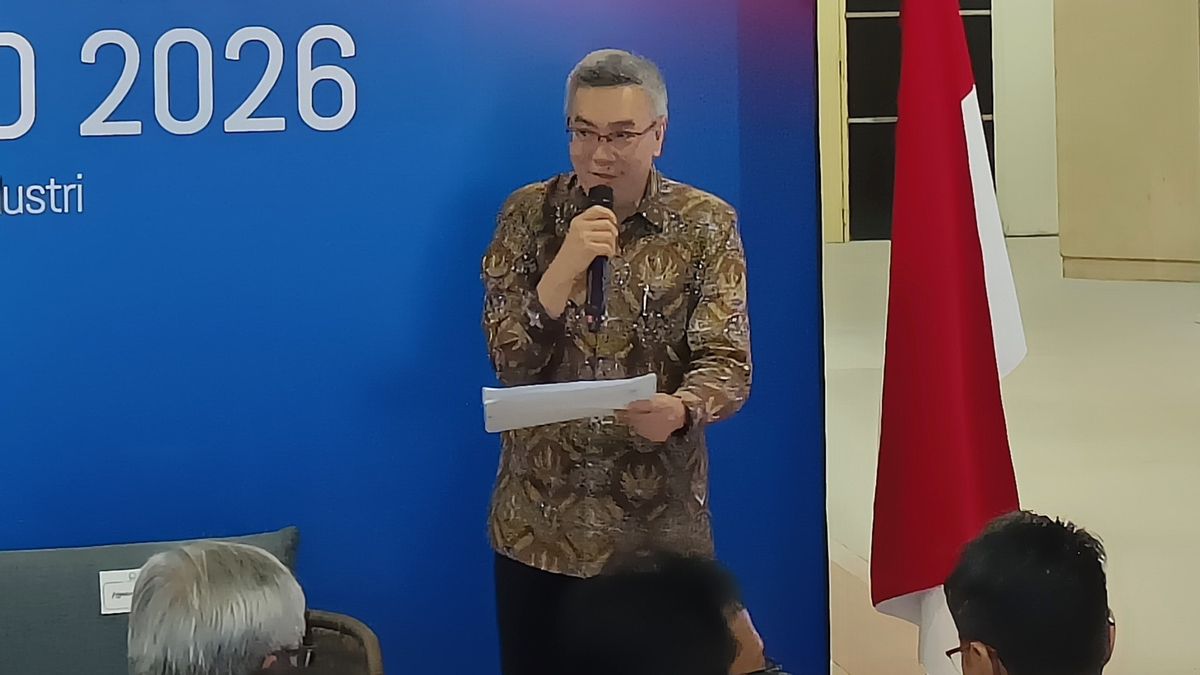
This was revealed by the General Chair of the Indonesian Association of Retailers and Shopping Center Tenants (Hippindo) Budihardjo Iduansjah.
He said that the increase in the price of these products has been felt by the retail sector since about two weeks ago, especially products that use plastic as both the main raw material and product packaging.
"Currently, we in retail have received a price increase from suppliers. So, from two weeks ago or last week it has also entered (the information)," said Budihardjo when met by reporters at the Smesco Building, Jakarta, Wednesday, April 15.
"On average 10 percent, yes, but we are negotiating again. Some are up 5 percent, 10 percent like that," he added.
Regarding the price increase, Budihardjo said, currently retailers are in the process of negotiating prices with manufacturers or suppliers of goods. So, they can get the old price before the price increase of plastic.
"But if it can't, yes, we negotiate the price to rise gradually. That is, there is indeed an increase in prices, especially from food and beverage entrepreneurs. Electronics, electrical appliances related to cables are all rising.
"Electrical appliances, electronic devices related to plastic are all going up. All the buckets are going up," he explained.
If this condition continues, Budihardjo is worried that people's purchasing power can be further eroded, which in the end will affect sales in the retail sector. So, retailers have to issue more new promos or programs.
"With this increase, we have initiated shopping programs in Indonesia alone. We try to optimize foreign tourists entering Indonesia to shop. How are the promotions so that the old stock can be balanced with the new price. So, there are prices we have lowered, some have increased in price," he added.
Previously, the Minister of Industry (Menperin) Agus Gumiwang Kartasasmita spoke out regarding the increase in plastic prices which now haunts business actors and the public as consumers.
Agus admitted that there was an increase in prices at the production level as the cost of global raw materials soared due to the conflict in the Middle East.
Escalation of the conflict, he said, has an impact on the supply of naphtha as the main raw material for the petrochemical industry. Global distribution and production disruptions eventually triggered cost increases at the upstream level.
"Considering that plastic is a product derived from a petroleum-based petrochemical process, disruptions in global distribution and production lines do put pressure on cost structures at the upstream level," Agus said in a written statement, Wednesday, April 8.
He explained that his party continued to strengthen coordination with manufacturing industry players to mitigate the impact of global supply chain disruptions.
This step was taken to maintain the resilience of the national industry so that it is still able to meet domestic and export needs.
"Synergy between the government and business actors is the key to ensuring that the industry remains resilient in the midst of global pressure," he said.
His party, continued Agus, together with upstream petrochemical industry players has prepared a number of strategic steps.
One of them is by finding alternative sources of naphtha supply outside the Middle East region to reduce dependence.
In addition, the industry is also optimizing the use of LPG as a raw material for buffering in the production process.
The government also encourages the use of high-quality recycled plastics as a substitute to maintain supply stability.
The English, Chinese, Japanese, Arabic, and French versions are automatically generated by the AI. So there may still be inaccuracies in translating, please always see Indonesian as our main language. (system supported by DigitalSiber.id)
Most Popular Tags
#Prabowo Subianto #donald trump #Febrie Adriansyah #8791 #giias 2026Popular


