

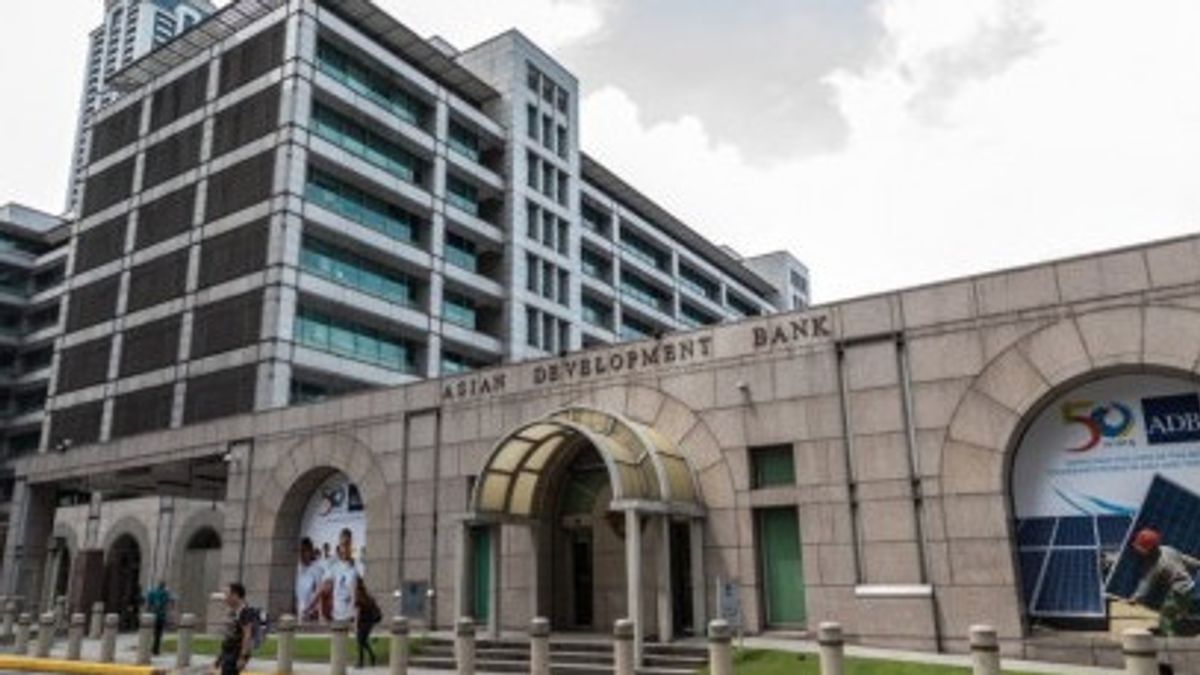


JAKARTA - The Asian Development Bank (ADB) is preparing emergency assistance for developing countries in Asia-Pacific after the Middle East conflict began to put pressure on energy prices, supply routes, and economic stability in the region.
The Philippine News Agency (PNA), quoted Wednesday, March 25, reported that ADB said it had sufficient resources to maintain the ongoing program while expanding support as needed by affected member countries. This situation shows that turmoil in the Middle East is beginning to be seen as a threat to the region's economy, no longer just a distant external risk.
President of the ADB Masato Kanda, still quoted from PNA, said the assistance would be disbursed quickly, flexibly, and could be increased according to the pressure faced by each country. "ADB will provide quick, flexible, and scalable assistance to help countries manage short-term pressures and strengthen long-term resilience," said Kanda.
The assistance includes budget support that can be disbursed immediately, as well as trade and supply chain financing to keep imports of essential goods running, including oil. ADB will also reactivate support for financing oil imports in the program specifically and for a limited time.
"This step continues our strong track record in supporting Asia and the Pacific through times of global uncertainty," said Kanda.
ADB is also preparing budget support for countries facing heavier fiscal pressures. The scheme is aimed at helping governments stabilize the economy and reduce the impact of shocks on the most vulnerable groups.
According to ADB, the threat does not stop at the surge in energy prices. Shipping disruptions have increased logistics costs and delayed shipments. The risk could also spread to the supply of important raw materials such as petrochemicals and fertilizers, which then put pressure on agriculture and food production.
Countries that rely on tourism and remittances are also considered vulnerable. At the same time, increased uncertainty and tighter financial conditions are also putting pressure on exchange rates and capital flows in the region.
ADB said it had started talks with the most severely affected member countries to prepare for immediate support. The bank will also work with governments, development partners, and the private sector to maintain economic stability.
The English, Chinese, Japanese, Arabic, and French versions are automatically generated by the AI. So there may still be inaccuracies in translating, please always see Indonesian as our main language. (system supported by DigitalSiber.id)
Popular


