



JAKARTA - The Central Statistics Agency (BPS) recorded that the processing industry contributed 19.07 percent to the national Gross Domestic Product (GDP) throughout 2025. Meanwhile, in 2023, the processing industry contributed 18.67 percent, then rose to 18.98 percent in 2024 and again skyrocketed to 19.07 percent this year.
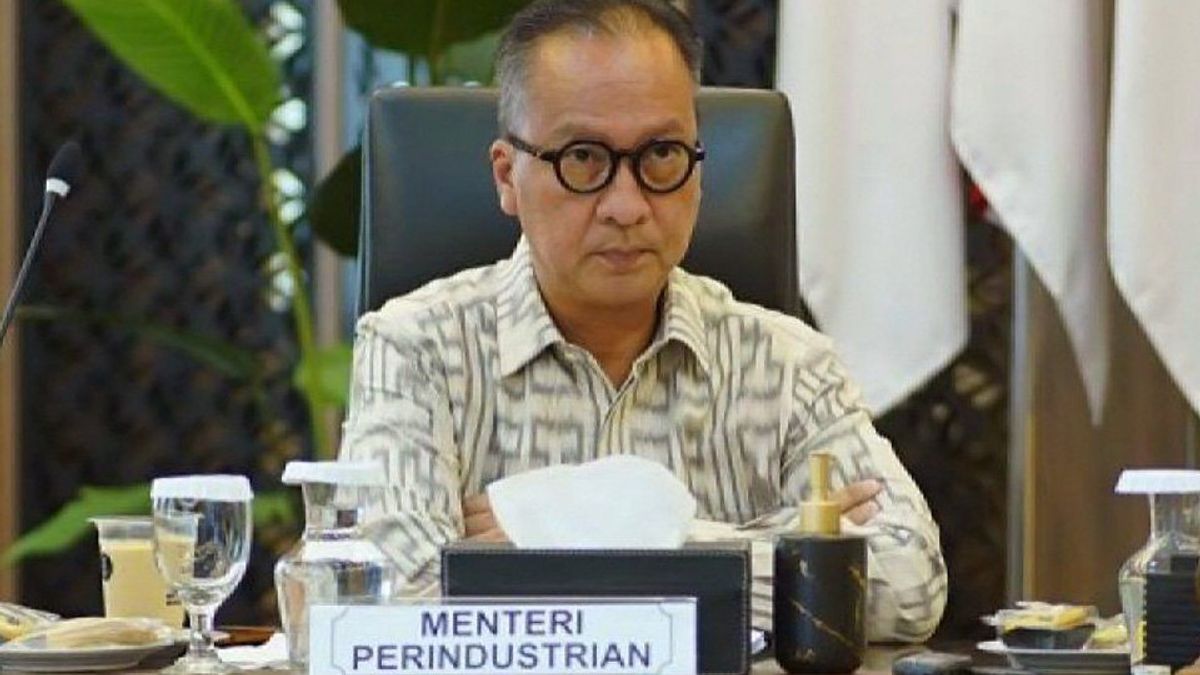
Minister of Industry (Menperin) Agus Gumiwang Kartasasmita said that this achievement shows the strong dominance and contribution of the processing industry to the national economy. Moreover, he said, the growth of the processing industry over the past three years has been stable and positive.
"The processing industry is not only the largest contributor, but also dominates national economic growth compared to other sectors," Agus said in an official statement, Thursday, February 5.
Not only that, BPS also recorded the performance of the export of the processing industry to reach 7.03 percent in 2025. Meanwhile, the import of goods and services was recorded as falling to 4.77 percent in 2025.
"The increase in exports and the decline in imports are evidence of the strengthening of the structure of the national processing industry," he said.
Even so, Agus did not deny that 2025 was a year of heavy challenges. However, he said, thanks to President Prabowo Subianto's direction through Astacita and translated into the New National Industry Strategy (SBIN), the processing industry finally managed to grow in 2025.
"We also express our appreciation to the actors in the industrial ecosystem who continue to maintain optimism to continue to produce. BPS's publication on national economic growth proves that the processing industry has not experienced deindustrialization, let alone early deindustrialization," said Agus.
Meanwhile, to keep the processing industry growing this year, continued Agus, his party will strengthen the integration of small industries into the supply chain of large industries or domestic industries. This is in accordance with the President's direction to increase national economic equity.
"This is not only to strengthen the independence of the domestic industry, but also for the equalization of the national economy," he explained.
According to the former Minister of Social Affairs, the policy direction of empowering small industries into the industrial supply chain is in line with Astacita, especially regarding the strengthening of national industries as the engine of economic growth, increasing the added value of domestic resources, creating quality jobs, and strengthening the nation's independence and competitiveness.
"In this context, the processing industry sector is placed as the main driver of economic transformation towards a more productive and sustainable economic structure," he concluded.
The English, Chinese, Japanese, Arabic, and French versions are automatically generated by the AI. So there may still be inaccuracies in translating, please always see Indonesian as our main language. (system supported by DigitalSiber.id)
Most Popular Tags
#Prabowo Subianto #donald trump #firearm #8791 #giias 2026Popular


